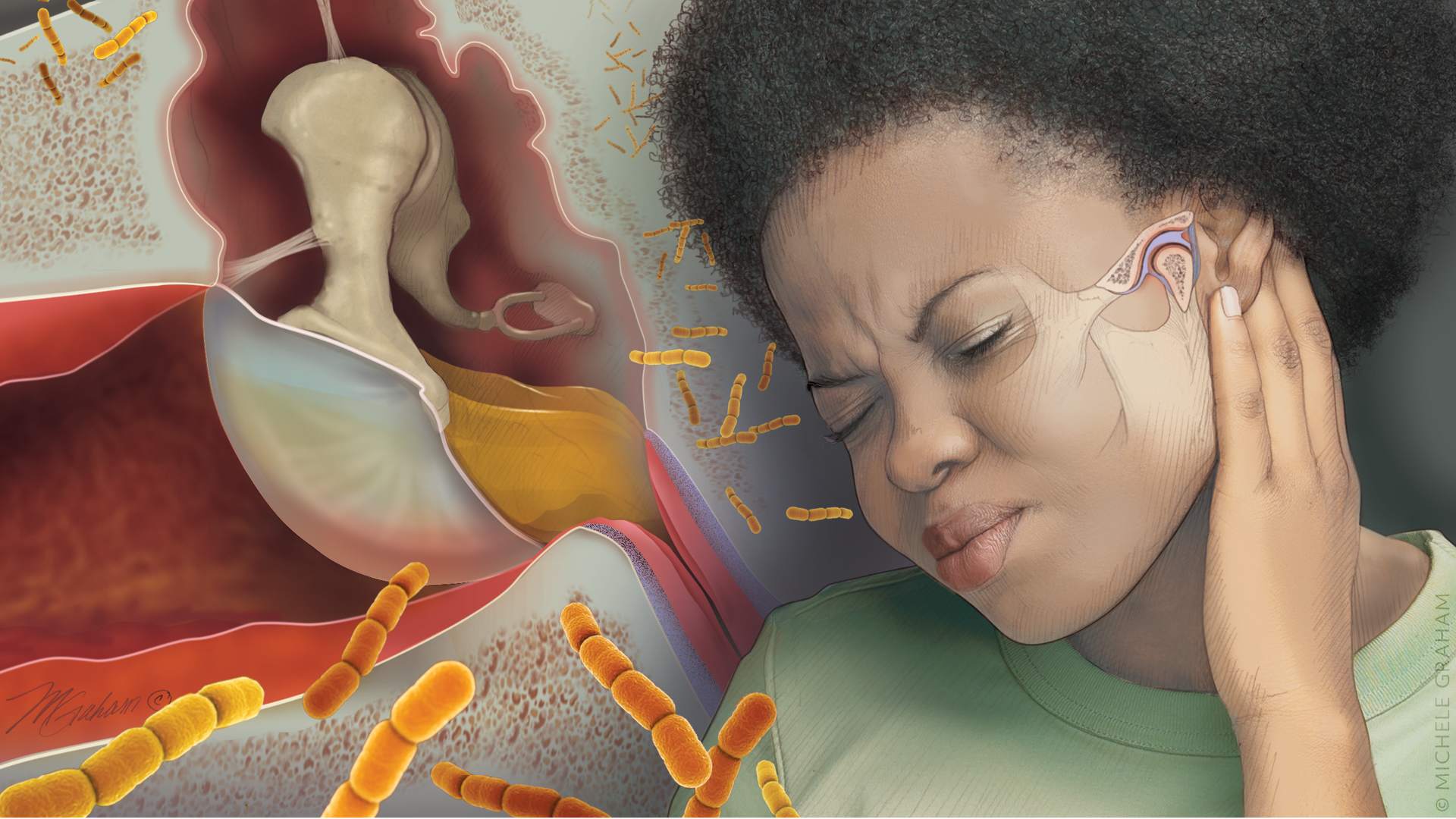
What is tuberculosis?
Tuberculosis (say: too-bur-cue-LO-sis), or TB for short, is an infection caused by a germ. TB usually affects the lungs, but it can spread to other parts of the body. It is spread from one person to another by coughing.
Who gets TB and why?
Most people in the United States have a low risk of getting TB. Your risk is higher if you have been around someone who has TB, are from a minority ethnic group, were not born in the United States, or have HIV, AIDS, diabetes, kidney failure, cancer, or a drug or alcohol problem. Children younger than four years and people who live in nursing homes, mental institutions, or jails also have a higher risk of getting TB.
How is TB treated?
If you have TB, your doctor may work with the local health department to take care of you. You probably will take several medicines at once. After a few months, you may be able to stop taking some of the medicines. Most people will need to take medicines for six to nine months before they get well.
What if I forget to take my medicines?
It is very important to take all of your medicines every day. Talk to your doctor if you have trouble remembering to take your medicines. Some things that might help you remember are: setting an alarm on your watch, hanging a note on the bathroom mirror or refrigerator, using a special pill box, or asking a family member or friend to remind you.
Are there any side effects of treatment?
Most people can take medicines for TB without any problems. If you have side effects that bother you, tell your doctor. There are usually other medicines that your doctor can give you. Do not stop taking your medicines unless your doctor tells you it’s okay.
Where can I get more information?
Your doctor
Your local health department
American Lung Association
- Web site:http://www.lungusa.org
- Telephone: 1-800-548-8252
Centers for Disease Control and Prevention
- Web site:http://www.cdc.gov
- Telephone: 1-800-311-3435