
Leading physician well-being certificate program
With the guidance of strong family physician leaders, health system issues are solved faster, staff morale is higher and patient care is better. But it’s not easy to find effective physician leadership programs that address all the factors leading to physician burnout.
The AAFP’s Leading Physician Well-being (LPW) is a unique program that helps you develop leadership skills and create systemic change to improve well-being for you and other staff in your organization.
The 2026 application period is now closed. Applications for the next cohort will open in fall 2027.
About the LPW program
You’ll build deep relationships with other physicians like you, have honest conversations about what's wrong and find ways to improve where you struggle most.
This 10-month series isn't intended to add work. Instead, it offers a community and curriculum that enhances your practice. You can expect to grow skills in three areas:
- Leadership development: Learn how to implement change management and performance improvement (PI) activities, and develop a change management plan to guide your organization’s work to improve physician well-being.
- Performance improvement: Gain hands-on experience by developing and implementing a PI-CME project in your organization that wraps one year after the LPW program concludes. This activity meets American Board of Family Medicine (ABFM) Performance Improvement Activities requirements.
- Physician well-being: Build expertise through education about the importance of well-being, how to measure it and best practices to achieve it. Develop a plan to raise awareness of its importance in your practice and organization.
The program is led by faculty with extensive experience in all three areas.
During the program, you'll gain:
- Peer-to-peer networking, guidance and support from your colleagues.
- Career development as a physician well-being leader and champion.
- An opportunity to complete a PI-CME project that directly impacts your organization and covers ABFM PI requirements.
At completion, you’ll earn:
- A Leading Physician Well-being certificate and recognition as a physician well-being thought leader and spokesperson
- CME credit, including PI-CME credits
- ABFM PI credit
Read about the experiences of your peers from LPW cohorts.
Who is eligible for LPW?
The health of our specialty is critical, so this program is available to any family physician, even in training.
- AAFP active members or non-members who practice family medicine: You can apply immediately. Costs differ based on membership.
- Family medicine residents: You are eligible if you have the support of your residency program. You'll need a letter of support from your residency program director.
What is the cost to participate in LPW?
- $2,500 for AAFP members
- $3,000 for non-members
Find additional LPW information
Wondering about how it all works? Refer to the FAQs if you need more detail to make your decision. Want to talk with someone directly? Email us at lpw@aafp.org.
LPW curriculum overviews and learning objectives
The LPW experience blends live and in-person large-group learning, small-group learning, self-reflection, peer-to-peer dialogues, and asynchronous and project-based learning opportunities. You gain access to AAFP leaders for mentoring, coaching and personal growth through professional networking.
Overview
- Leadership styles/definitions/theory
- Practical leadership skills: Personal, professional, and system-focused
- Leadership resources: Print, digital, enduring, and emerging
At the completion of the Leadership module, learners will be able to:
- Examine leadership development principles and strategies (personal, professional, and system-level).
- Learn practical leadership skills that build professional influence, foster leadership success, and catalyze personal and system-level transformation.
- Understand how leadership skills coupled with PI activities can accelerate well-being advocacy.
Overview
- Performance Improvement knowledge: Definitions, PI tools, change management theory
- Applied Performance Improvement skills: Application of tools and theory in professional and system settings
- Performance Improvement resources: Print, digital, enduring, emerging
At the completion of the Performance Improvement module, learners will be able to:
- Use various tools used in Performance Improvement to perform root cause analysis, identify and implement potential solutions, and assess success of those solutions in personal and system levels.
- Apply tenets of change management strategies to implement sustainable system level well-being initiatives.
- Discuss the implications of well-being initiatives in terms of physician burnout, workplace morale, quality measures, financial benchmarks, patient care, and institutional values.
Overview
- Well-being knowledge: Definitions, domains, and impact of burnout on multiple levels
- Well-being skills: Personal, professional, and system-focused
- Well-being resources: Applicable personally, in relationships, and as a leader of change
At the completion of the Well-being module, learners will be able to:
- Describe the state of physician well-being and why well-being is important to health professionals and to health care organizations.
- Discuss factors that contribute to burnout and strategies to improve well-being at the physician, care team, and health care organization levels.
- Apply validated tools for measuring and improving well-being personally and in the participant’s organization.
Meet the LPW faculty

Olusola Adegoke, MD, MPH, FAAFP
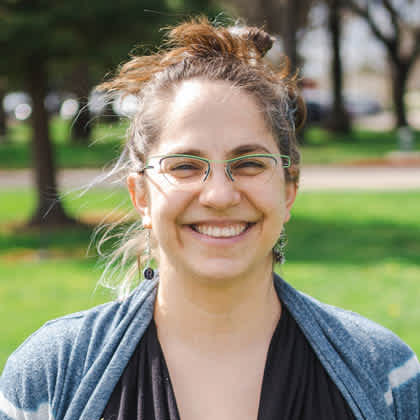
Lauren Brown-Berchtold, MD
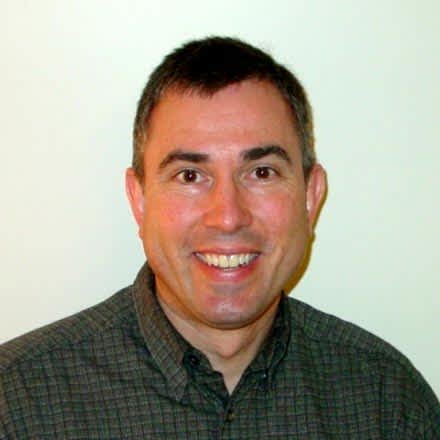
Mark Greenawald, MD, FAAFP
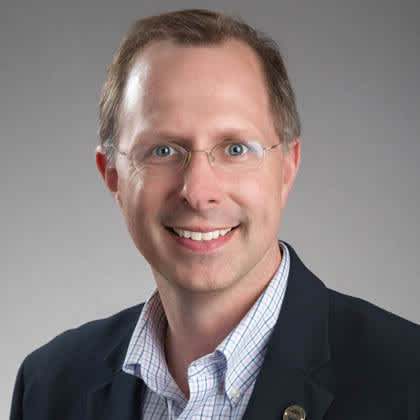
Jason Marker, MD, MPA, FAAFP
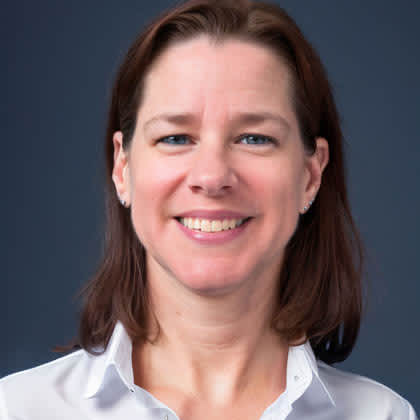
KrisEmily McCrory, MD, MS, Med Ed, FAAFP
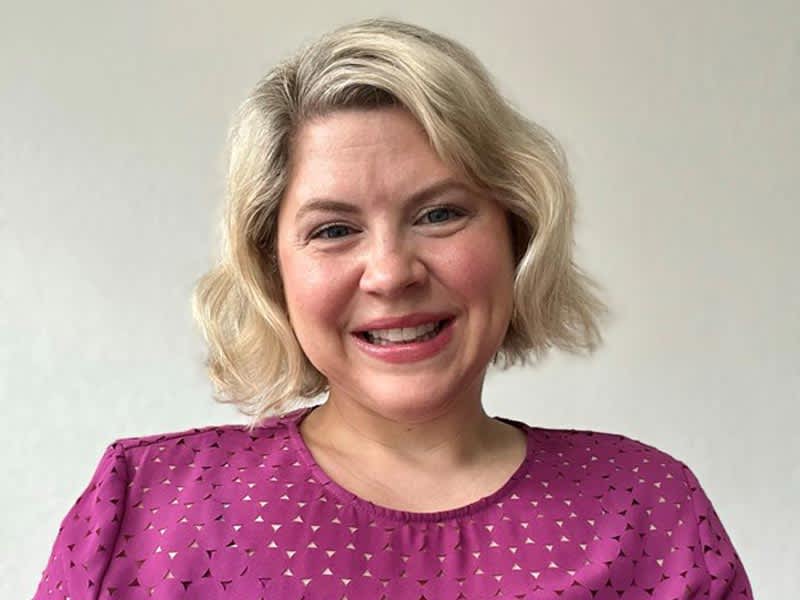
Michelle Owens-Kumar, DO, FAAFP, FAAHPM
LPW FAQs
LPW is a unique certificate program to equip family physicians with the knowledge, experience and leadership skills for leading change that improves physician and clinician well-being within their practices and organizations. At the successful completion of the program, scholars will earn a physician leadership certificate and be recognized as thought leaders and spokespeople for physician well-being.
This program will consist of a cohort of up to 150 family physicians and other primary care scholars annually.
LPW aims for impactful change in health care practices and organizations. This program will include didactic education and an applied project utilizing a combination of in-person and online learning focused on topics of physician well-being and theories around leading change and implementing performance improvement.
The three foundational elements of this program are:
- Leadership Development
- Physician Well-being
- Performance Improvement
Family physicians are needed to provide leadership within their practices and organizations. The Quadruple Aim states that improving the work life of health care professionals is essential to enhancing patient experience, reducing costs and improving population health.
Improving physician well-being is the key to improving the overall state of health care in the U.S. LPW provides the tools needed for physicians to feel confident stepping up to lead during a time of organizational challenge and uncertainty. In addition to learning how to adapt with change during uncertain times, scholars will have the opportunity to network and develop professional relationships with colleagues for support and guidance.
The program was developed by family physician faculty with extensive experience in change management. A team of educational designers and developers collaborate closely with the faculty to create engaging content that helps LPW scholars retain and apply the information in their practice setting.
LPW envisions scholars who successfully complete the program are equipped to implement innovative solutions and best practices, improving the well-being of colleague physicians and other team members. The AAFP envisions every scholar gaining the confidence to be change leaders and the capability to successfully implement improvements in their practices and organizations. The resulting impact includes sustained physician well-being and improved patient outcomes. LPW graduates will constitute and engage in a national community of physician well-being champions.
LPW is a 10-month cohort (one in-person event and one livestreamed event), five webinars and ongoing online activities. All activities facilitate the development of a supportive learning community. LPW combines hands-on, didactic and experiential education and an applied project that includes virtual, online touchpoints between core sessions. Online learning facilitates familiarity with the core topics. The livestreamed and in-person learning sessions facilitate skill building and advanced learning.
Foundational Components:
- Leadership Development (Change management, leading teams, leading through influence, agile leadership principles, etc.)
- Physician Well-being (Knowledge base, best practices, evidence-based solutions, etc.)
- Performance Improvement (Designing and implementing improvements, PDSA, PI tools, project planning, etc.)
Home Group Learning Community:
In addition to the scheduled sessions, LPW offers an online learning community. Here, scholars have a chance to work on their PI projects, discuss topics from webinars, debate hot topics and continue conversations that came up during the in-person event.
Each scholar is highly encouraged to develop a plan and initiate implementation of an IMPACT Project within their practice or organization. The PI project provides experience designing and implementing an improvement plan. Scholars should complete the PI-CME project by the following year.
1:1 coaching:
All scholars will have the opportunity to connect with their Home Group leader for 1:1 coaching throughout their IMPACT Project as well other topics agreed upon between the Home Group’s leader and scholar.
At the successful completion of the program, scholars earn a Leading Physician Well-being certificate and the AAFP recognizes scholars as thought leaders and spokespeople for physician well-being. Scholars receive AAFP CME credit for participating.
Other benefits include:
- Networking, having peer-to-peer support and the ability to reach out to others for questions, support and guidance.
- Being equipped to become an effective leader, agent of change and physician well-being expert.
- Preparation for further career development as a physician well-being leader and champion.
- Opportunity to complete a PI-CME project that has a direct impact on your organization.
The LPW program incorporates intentional coaching experiences to help physicians turn learning into meaningful action. Coaching is a structured, learner-centered process that supports reflection, goal setting, and personal growth. Throughout the program, most often to conclude learning experiences, participants will engage in guided coaching conversations that deepen insight and strengthen accountability, giving them dedicated space to reflect on their experiences and apply new skills within their own environments.
This program uses a part-time fellowship model requiring continuous engagement throughout the program’s duration. Outside of the five scheduled webinars, livestream and in-person activity, scholars should plan on dedicating 5 percent (1 hour/week) of their time over the 10-month period.
The time will increase slightly when major project deliverables are due. This includes preparation for and follow-up with your home group leader after live sessions and webinars. These follow-ups are especially focused on understanding the needs of the scholar's practice and organization, identifying opportunities for improvement, and designing and implementing an applied improvement project.
During the cohort year, scholars are tasked with implementing an IMPACT Project. Each project impacts organizational change and allows scholars the opportunity to demonstrate leadership of an intervention within their organization. This activity provides scholars with the opportunity to examine relevant data, develop a response plan, and execute the plan over a period long enough to yield measurable outcomes all while earning PI-CME credit and ABFM points towards their maintenance of certification and/or fellow certification. Home Group faculty will support scholars through each step of the IMPACT Project.
Assignments are due throughout the cohort year. Scholars have until the year after their program ends to complete their project for PI-CME credit and ABFM points.
The LPW Certificate program costs $2,500 for AAFP members and $3,000 for non-members. Scholarships are not available for this cycle.
Scholars are responsible for all travel and housing expenses for in-person activities, as well as food and beverage costs not covered during sessions. Full payment is due no later than July 31, 2026.
Cancellation and refund policy
- Full refund – The AAFP must receive notice of cancellation no later than April 30, 2026. Requests for full cancellations will be refunded less a $50 administrative fee.
- Partial refund – The AAFP must receive notice of cancellation no later than June 15, 2026 to receive a partial refund of $1,250. Cancellations or no-shows after this date are not eligible for a refund.
Please allow up to four weeks for delivery of refund. Fees will be refunded using the same method of payment used to pay the AAFP. This policy covers registration and ticketed events.
The AAFP is not responsible for monies registrants may have spent on penalty or nonrefundable airline tickets or hotel deposits in the event this course is canceled or sold out. Before purchasing your airline ticket, make sure you have received your registration and hotel confirmation. If a program is canceled by the AAFP, every effort will be made to notify registrants at least 30 days prior to the first day of the course, and registration fees will be refunded.
You can notify the AAFP of cancellation by:
(800) 274-2237
aafp@aafp.org
Fax: (913) 906-6075
Mail: AAFP, Attn: Member Resource Center, 11400 Tomahawk Creek Parkway, Leawood, KS 66211
The LPW program offers CME credit for qualifying activities. The exact amount of credit is still under review. In the past, the program has offered at least 50 CME hours to scholars who claim credit. In addition, scholars have the opportunity to claim both AAFP CME credit and ABFM certification points for their performance improvement projects.