Elbow Pain in Adults: Evaluation and Differential Diagnosis
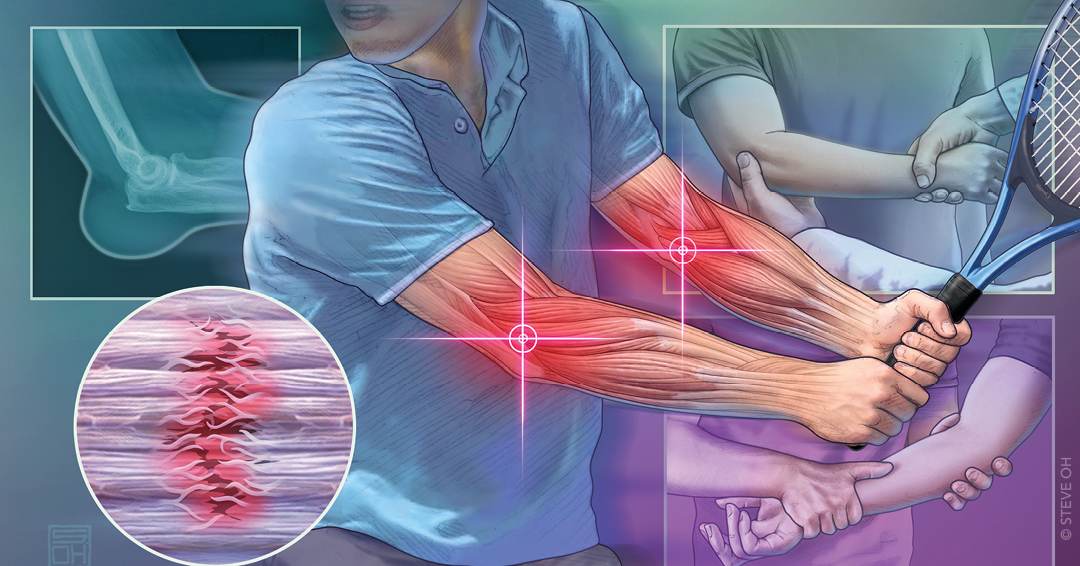
Elbow pain most often results from overuse tendinopathies, neuropathic compression, traumatic injuries, or intra-articular disorders. A regional diagnostic approach that localizes pain to the anterior, lateral, medial, or posterior elbow efficiently narrows the differential diagnosis and guides a targeted physical examination.
CME Quiz
CME credits
CME expires
Hyperlipidemia: Pharmacotherapy for Cardiovascular Risk Reduction in Adults
Hyperlipidemia management is key to cardiovascular risk reduction. Statins are first-line agents for primary and secondary prevention of atherosclerotic cardiovascular disease. The addition of nonstatins, especially for secondary prevention, should be considered in patients who cannot tolerate statins or do not achieve adequate low-density lipoprotein cholesterol reduction.
Gait and Balance Disorders in Older Adults
Gait and balance disorders affect a patient's quality of life, reduce functional capacity, and increase morbidity and mortality. Physicians caring for older adults should ask patients about unsteadiness and falls at every health maintenance visit to help determine patients' risk of falling.
Past Issues
Featured articles
See full issue
Common Skin Rashes in Children
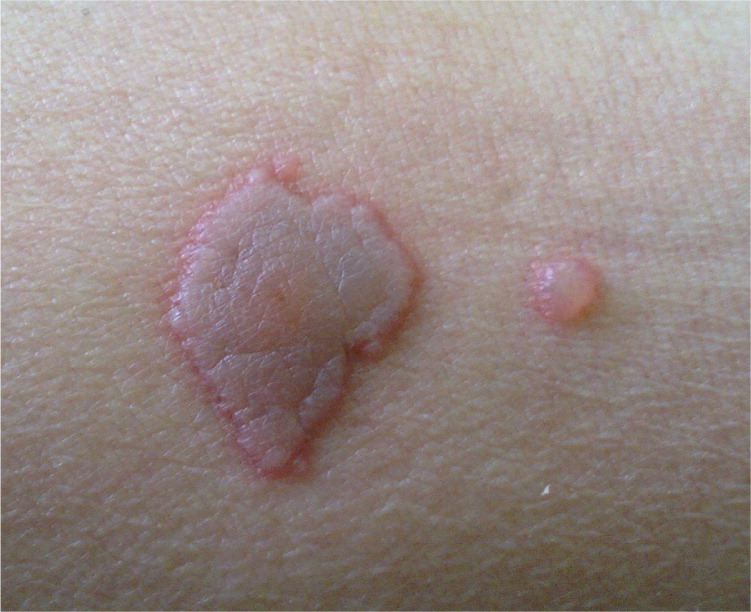
Childhood skin rashes are common in primary care and are usually diagnosed clinically based on morphology, distribution, associated symptoms, and clinical course. Treatment depends on the underlying diagnosis and severity. Accurate recognition of common rash patterns can guide…
Primary Care for People With Alcohol Use Disorder
People with alcohol use disorder are nearly twice as likely as the general population to have a primary care physician. Physicians should be aware of common complications that are caused by, or co-occur with, heavy alcohol use and be able to identify and treat these conditions…
Influenza: Prevention, Diagnosis, and Treatment
Annual influenza vaccination is recommended for people 6 months and older, including pregnant individuals, who do not have a contraindication to vaccination. Although most patients do not require treatment for influenza, antivirals should be started as soon as possible for…
Vitamin D Supplementation in Community-Dwelling Adults
Routine screening for vitamin D deficiency is not recommended in the general population. Individuals 70 years and younger should consume 600 IU of vitamin D daily, and individuals older than 70 years should consume 800 IU daily. Some individuals with certain medical conditions…
CME Quiz
CME credits
CME expires