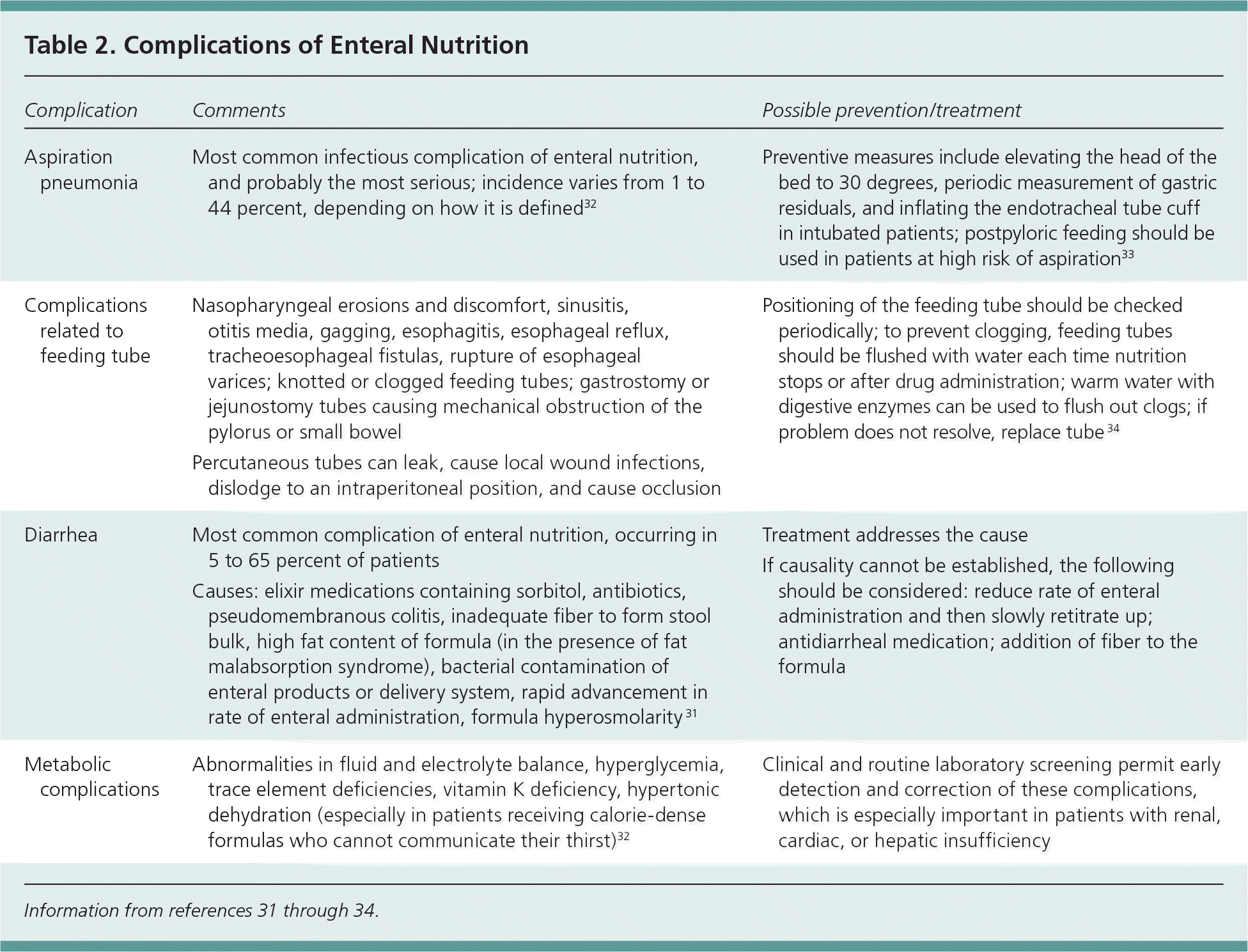
| Complication | Comments | Possible prevention/treatment |
|---|---|---|
| Aspiration pneumonia | Most common infectious complication of enteral nutrition, and probably the most serious; incidence varies from 1 to 44 percent, depending on how it is defined32 | Preventive measures include elevating the head of the bed to 30 degrees, periodic measurement of gastric residuals, and inflating the endotracheal tube cuff in intubated patients; postpyloric feeding should be used in patients at high risk of aspiration33 |
| Complications related to feeding tube | Nasopharyngeal erosions and discomfort, sinusitis, otitis media, gagging, esophagitis, esophageal reflux, tracheoesophageal fistulas, rupture of esophageal varices; knotted or clogged feeding tubes; gastrostomy or jejunostomy tubes causing mechanical obstruction of the pylorus or small bowel | Positioning of the feeding tube should be checked periodically; to prevent clogging, feeding tubes should be flushed with water each time nutrition stops or after drug administration; warm water with digestive enzymes can be used to flush out clogs; if problem does not resolve, replace tube34 |
| Percutaneous tubes can leak, cause local wound infections, dislodge to an intraperitoneal position, and cause occlusion | ||
| Diarrhea | Most common complication of enteral nutrition, occurring in 5 to 65 percent of patients | Treatment addresses the cause If causality cannot be established, the following should be considered: reduce rate of enteral administration and then slowly retitrate up; antidiarrheal medication; addition of fiber to the formula |
| Causes: elixir medications containing sorbitol, antibiotics, pseudomembranous colitis, inadequate fiber to form stool bulk, high fat content of formula (in the presence of fat malabsorption syndrome), bacterial contamination of enteral products or delivery system, rapid advancement in rate of enteral administration, formula hyperosmolarity31 | ||
| Metabolic complications | Abnormalities in fluid and electrolyte balance, hyperglycemia, trace element deficiencies, vitamin K deficiency, hypertonic dehydration (especially in patients receiving calorie-dense formulas who cannot communicate their thirst)32 | Clinical and routine laboratory screening permit early detection and correction of these complications, which is especially important in patients with renal, cardiac, or hepatic insufficiency |