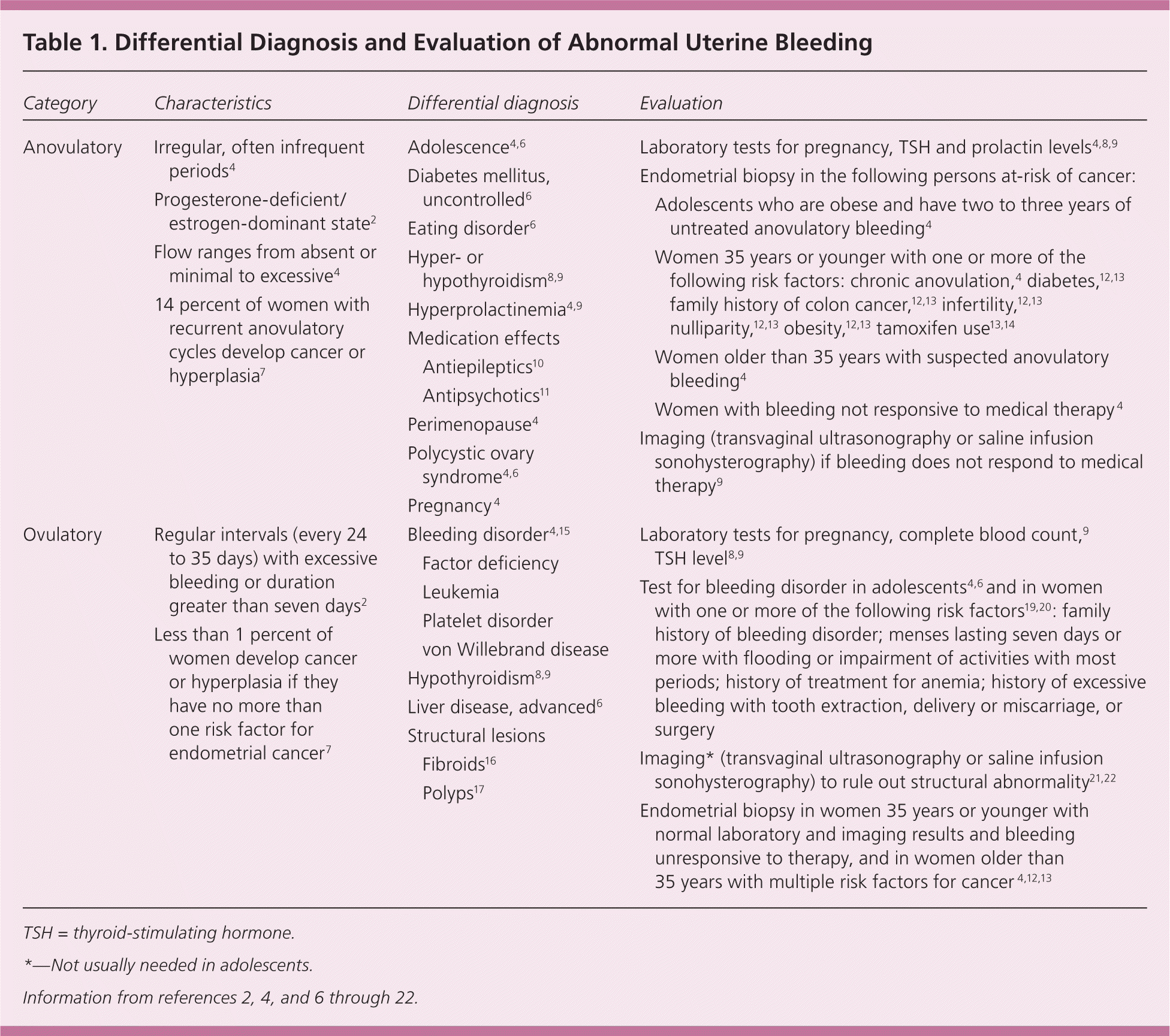
| Anovulatory | Irregular, often infrequent periods4 Progesterone-deficient/estrogen-dominant state2 Flow ranges from absent or minimal to excessive4 14 percent of women with recurrent anovulatory cycles develop cancer or hyperplasia7
| Adolescence4,6 Diabetes mellitus, uncontrolled6 Eating disorder6 Hyper- or hypothyroidism8,9 Hyperprolactinemia4,9 Medication effects Antiepileptics10 Antipsychotics11 Perimenopause4 Polycystic ovary syndrome4,6 Pregnancy 4
| Laboratory tests for pregnancy, TSH and prolactin levels4,8,9 Endometrial biopsy in the following persons at-risk of cancer: Adolescents who are obese and have two to three years of untreated anovulatory bleeding4 Women 35 years or younger with one or more of the following risk factors: chronic anovulation,4 diabetes,12,13 family history of colon cancer,12,13 infertility,12,13 nulliparity,12,13 obesity,12,13 tamoxifen use13,14 Women older than 35 years with suspected anovulatory bleeding4 Women with bleeding not responsive to medical therapy 4 Imaging (transvaginal ultrasonography or saline infusion sonohysterography) if bleeding does not respond to medical therapy9
|
| Ovulatory | Regular intervals (every 24 to 35 days) with excessive bleeding or duration greater than seven days2 Less than 1 percent of women develop cancer or hyperplasia if they have no more than one risk factor for endometrial cancer7
| Bleeding disorder 4,15 Factor deficiency Leukemia Platelet disorder von Willebrand disease
Hypothyroidism8,9 Liver disease, advanced6 Structural lesions Fibroids16 Polyps17
| Laboratory tests for pregnancy, complete blood count,9 TSH level8,9 Test for bleeding disorder in adolescents4,6 and in women with one or more of the following risk factors19,20: family history of bleeding disorder; menses lasting seven days or more with flooding or impairment of activities with most periods; history of treatment for anemia; history of excessive bleeding with tooth extraction, delivery or miscarriage, or surgery Imaging* (transvaginal ultrasonography or saline infusion sonohysterography) to rule out structural abnormality21,22 Endometrial biopsy in women 35 years or younger with normal laboratory and imaging results and bleeding unresponsive to therapy, and in women older than 35 years with multiple risk factors for cancer4,12,13
|