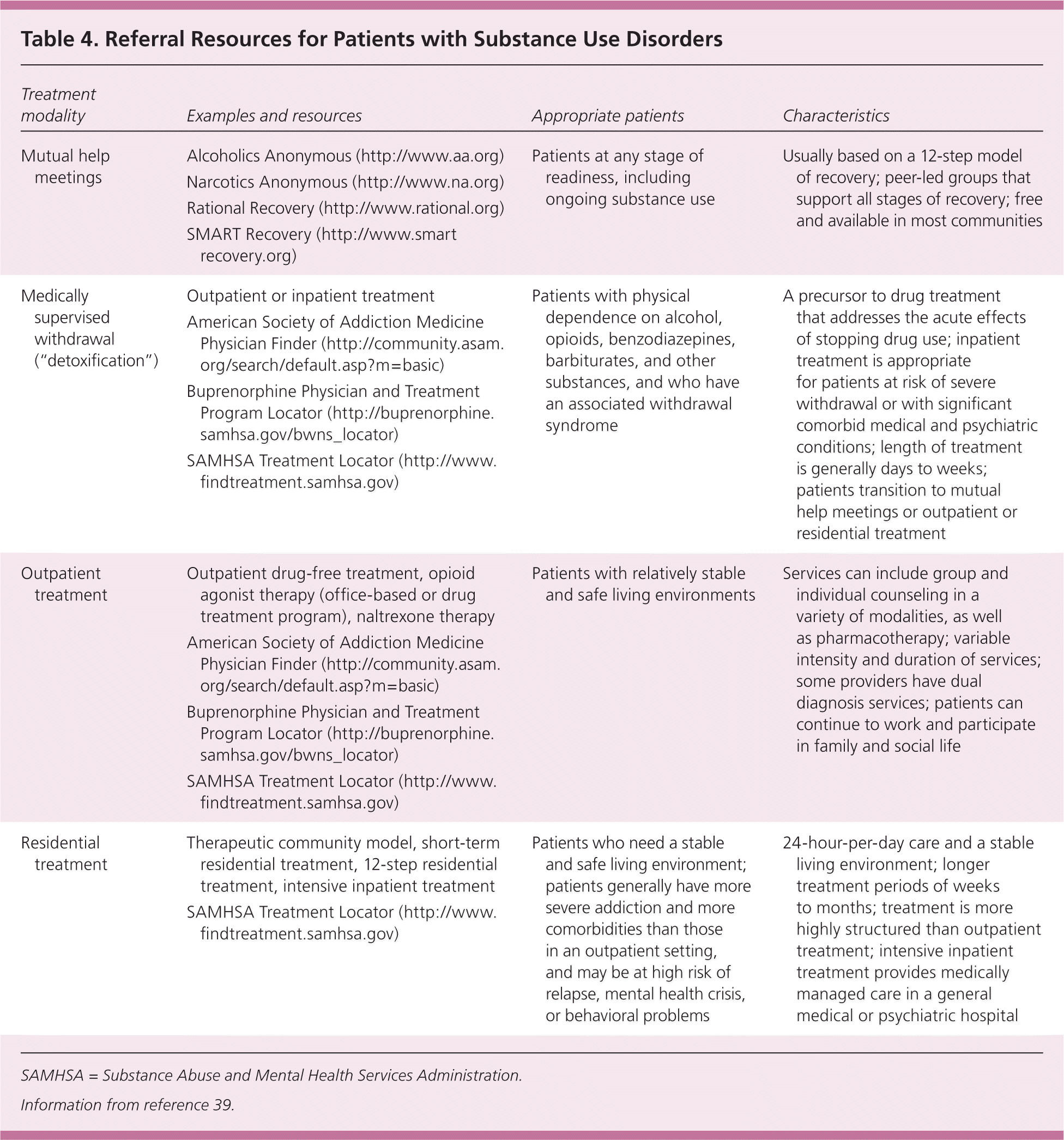
| Mutual help meetings | Alcoholics Anonymous (http://www.aa.org) | Patients at any stage of readiness, including ongoing substance use | Usually based on a 12-step model of recovery; peer-led groups that support all stages of recovery; free and available in most communities |
| Narcotics Anonymous (http://www.na.org) |
| Rational Recovery (http://www.rational.org) |
| SMART Recovery (http://www.smartrecovery.org) |
| Medically supervised withdrawal (“detoxification”) | Outpatient or inpatient treatment | Patients with physical dependence on alcohol, opioids, benzodiazepines, barbiturates, and other substances, and who have an associated withdrawal syndrome | A precursor to drug treatment that addresses the acute effects of stopping drug use; inpatient treatment is appropriate for patients at risk of severe withdrawal or with significant comorbid medical and psychiatric conditions; length of treatment is generally days to weeks; patients transition to mutual help meetings or outpatient or residential treatment |
| American Society of Addiction Medicine Physician Finder (http://community.asam.org/search/default.asp?m=basic) |
| Buprenorphine Physician and Treatment Program Locator (http://buprenorphine.samhsa.gov/bwns_locator) |
| SAMHSA Treatment Locator (http://www.findtreatment.samhsa.gov) |
| Outpatient treatment | Outpatient drug-free treatment, opioid agonist therapy (office-based or drug treatment program), naltrexone therapy | Patients with relatively stable and safe living environments | Services can include group and individual counseling in a variety of modalities, as well as pharmacotherapy; variable intensity and duration of services; some providers have dual diagnosis services; patients can continue to work and participate in family and social life |
| American Society of Addiction Medicine Physician Finder (http://community.asam.org/search/default.asp?m=basic) |
| Buprenorphine Physician and Treatment Program Locator (http://buprenorphine.samhsa.gov/bwns_locator) |
| SAMHSA Treatment Locator (http://www.findtreatment.samhsa.gov) |
| Residential treatment | Therapeutic community model, short-term residential treatment, 12-step residential treatment, intensive inpatient treatment | Patients who need a stable and safe living environment; patients generally have more severe addiction and more comorbidities than those in an outpatient setting, and may be at high risk of relapse, mental health crisis, or behavioral problems | 24-hour-per-day care and a stable living environment; longer treatment periods of weeks to months; treatment is more highly structured than outpatient treatment; intensive inpatient treatment provides medically managed care in a general medical or psychiatric hospital |
| SAMHSA Treatment Locator (http://www.findtreatment.samhsa.gov) |