| Comparative benefits |
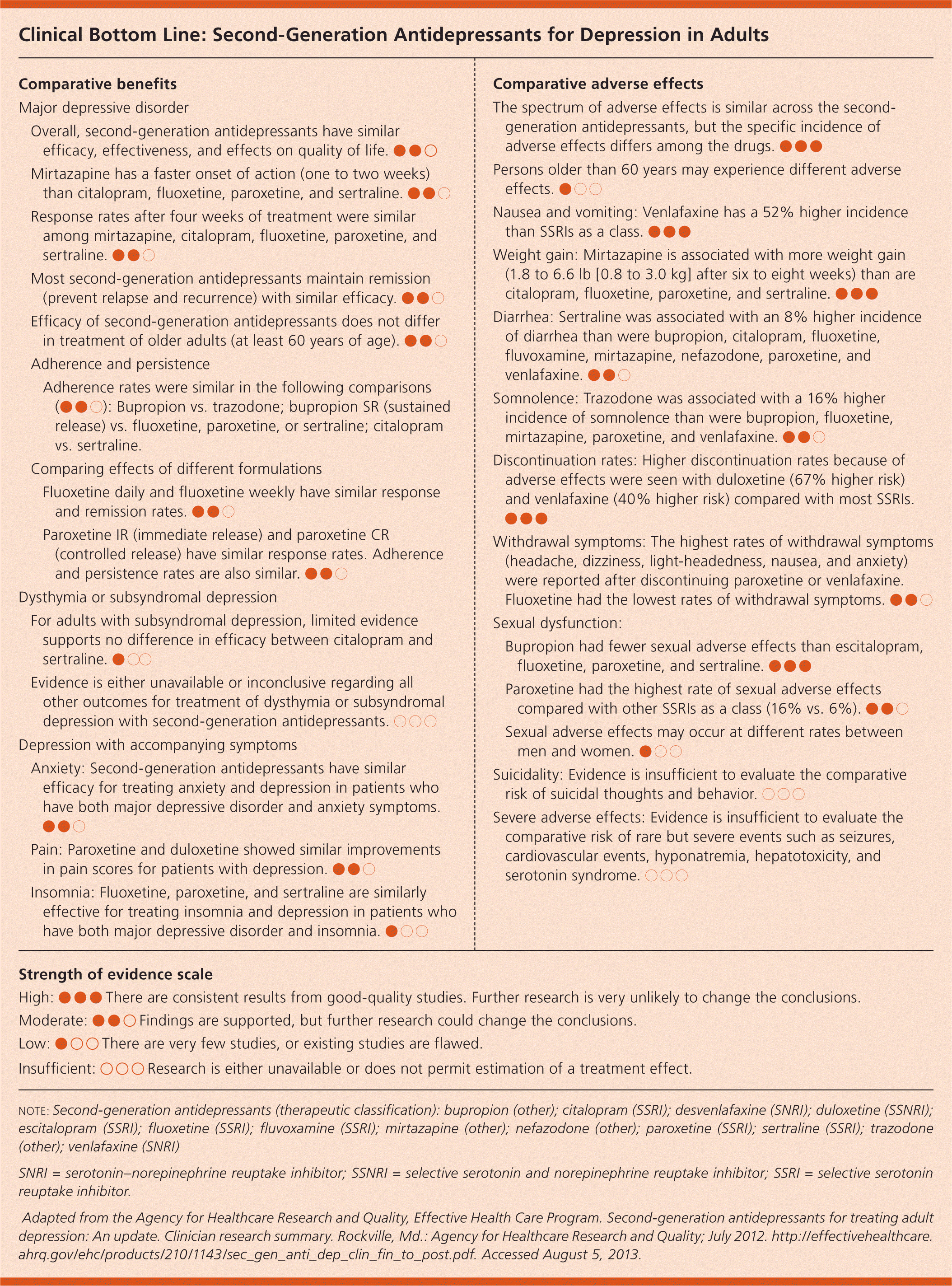
Major depressive disorder Overall, second-generation antidepressants have similar efficacy, effectiveness, and effects on quality of life. ●●○ Mirtazapine has a faster onset of action (one to two weeks) than citalopram, fluoxetine, paroxetine, and sertraline. ●●○ Response rates after four weeks of treatment were similar among mirtazapine, citalopram, fluoxetine, paroxetine, and sertraline. ●●○ Most second-generation antidepressants maintain remission (prevent relapse and recurrence) with similar efficacy. ●●○ Efficacy of second-generation antidepressants does not differ in treatment of older adults (at least 60 years of age). ●●○ Adherence and persistence Adherence rates were similar in the following comparisons (●●○): Bupropion vs. trazodone; bupropion SR (sustained release) vs. fluoxetine, paroxetine, or sertraline; citalopram vs. sertraline. Comparing effects of different formulations Fluoxetine daily and fluoxetine weekly have similar response and remission rates. ●●○ Paroxetine IR (immediate release) and paroxetine CR (controlled release) have similar response rates. Adherence and persistence rates are also similar. ●●○
|
Dysthymia or subsyndromal depression For adults with subsyndromal depression, limited evidence supports no difference in efficacy between citalopram and sertraline. ●○○ Evidence is either unavailable or inconclusive regarding all other outcomes for treatment of dysthymia or subsyndromal depression with second-generation antidepressants. ○○○
|
Depression with accompanying symptoms Anxiety: Second-generation antidepressants have similar efficacy for treating anxiety and depression in patients who have both major depressive disorder and anxiety symptoms. ●●○ Pain: Paroxetine and duloxetine showed similar improvements in pain scores for patients with depression. ●●○ Insomnia: Fluoxetine, paroxetine, and sertraline are similarly effective for treating insomnia and depression in patients who have both major depressive disorder and insomnia. ●○○
|
| Comparative adverse effects |
The spectrum of adverse effects is similar across the second-generation antidepressants, but the specific incidence of adverse effects differs among the drugs. ●●● Persons older than 60 years may experience different adverse effects. ●○○ Nausea and vomiting: Venlafaxine has a 52% higher incidence than SSRIs as a class. ●●● Weight gain: Mirtazapine is associated with more weight gain (1.8 to 6.6 lb [0.8 to 3.0 kg] after six to eight weeks) than are citalopram, fluoxetine, paroxetine, and sertraline. ●●● Diarrhea: Sertraline was associated with an 8% higher incidence of diarrhea than were bupropion, citalopram, fluoxetine, fluvoxamine, mirtazapine, nefazodone, paroxetine, and venlafaxine. ●●○ Somnolence: Trazodone was associated with a 16% higher incidence of somnolence than were bupropion, fluoxetine, mirtazapine, paroxetine, and venlafaxine. ●●○ Discontinuation rates: Higher discontinuation rates because of adverse effects were seen with duloxetine (67% higher risk) and venlafaxine (40% higher risk) compared with most SSRIs. ●●● Withdrawal symptoms: The highest rates of withdrawal symptoms (headache, dizziness, light-headedness, nausea, and anxiety) were reported after discontinuing paroxetine or venlafaxine. Fluoxetine had the lowest rates of withdrawal symptoms. ●●○ Sexual dysfunction: Bupropion had fewer sexual adverse effects than escitalopram, fluoxetine, paroxetine, and sertraline. ●●● Paroxetine had the highest rate of sexual adverse effects compared with other SSRIs as a class (16% vs. 6%). ●●○ Sexual adverse effects may occur at different rates between men and women. ●○○ Suicidality: Evidence is insufficient to evaluate the comparative risk of suicidal thoughts and behavior. ○○○ Severe adverse effects: Evidence is insufficient to evaluate the comparative risk of rare but severe events such as seizures, cardiovascular events, hyponatremia, hepatotoxicity, and serotonin syndrome. ○○○
|
| Strength of evidence scale |
| High: ●●● There are consistent results from good-quality studies. Further research is very unlikely to change the conclusions. |
| Moderate: ●●○ Findings are supported, but further research could change the conclusions. |
| Low: ●○○ There are very few studies, or existing studies are flawed. |
| Insufficient: ○○○ Research is either unavailable or does not permit estimation of a treatment effect. |