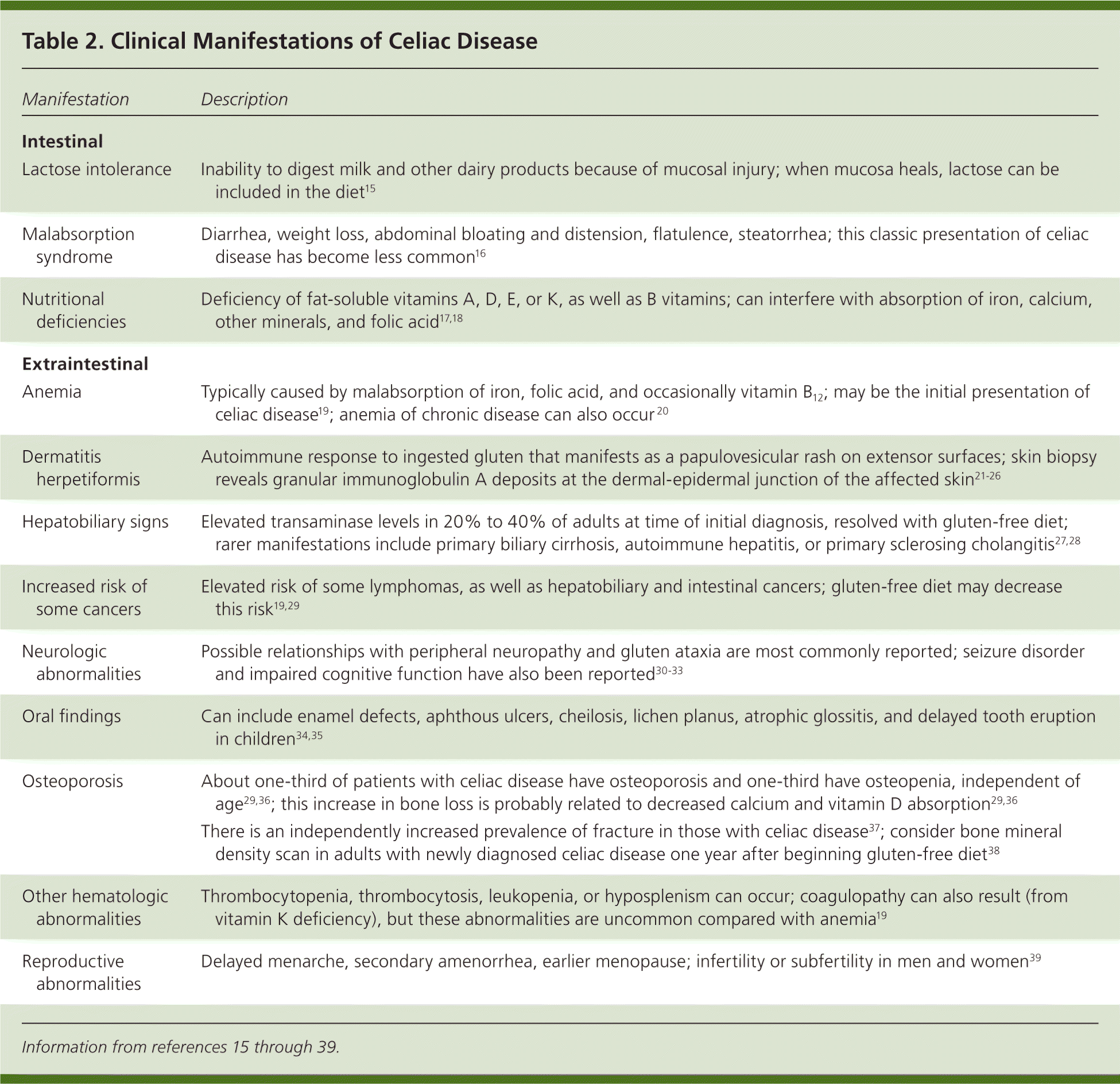
| Intestinal |
| Lactose intolerance | Inability to digest milk and other dairy products because of mucosal injury; when mucosa heals, lactose can be included in the diet15 |
| Malabsorption syndrome | Diarrhea, weight loss, abdominal bloating and distension, flatulence, steatorrhea; this classic presentation of celiac disease has become less common16 |
| Nutritional deficiencies | Deficiency of fat-soluble vitamins A, D, E, or K, as well as B vitamins; can interfere with absorption of iron, calcium, other minerals, and folic acid17,18 |
| Extraintestinal |
| Anemia | Typically caused by malabsorption of iron, folic acid, and occasionally vitamin B12; may be the initial presentation of celiac disease19; anemia of chronic disease can also occur 20 |
| Dermatitis herpetiformis | Autoimmune response to ingested gluten that manifests as a papulovesicular rash on extensor surfaces; skin biopsy reveals granular immunoglobulin A deposits at the dermal-epidermal junction of the affected skin21–26 |
| Hepatobiliary signs | Elevated transaminase levels in 20% to 40% of adults at time of initial diagnosis, resolved with gluten-free diet; rarer manifestations include primary biliary cirrhosis, autoimmune hepatitis, or primary sclerosing cholangitis27,28 |
| Increased risk of some cancers | Elevated risk of some lymphomas, as well as hepatobiliary and intestinal cancers; gluten-free diet may decrease this risk19,29 |
| Neurologic abnormalities | Possible relationships with peripheral neuropathy and gluten ataxia are most commonly reported; seizure disorder and impaired cognitive function have also been reported30–33 |
| Oral findings | Can include enamel defects, aphthous ulcers, cheilosis, lichen planus, atrophic glossitis, and delayed tooth eruption in children34,35 |
| Osteoporosis | About one-third of patients with celiac disease have osteoporosis and one-third have osteopenia, independent of age29,36; this increase in bone loss is probably related to decreased calcium and vitamin D absorption29,36 |
| There is an independently increased prevalence of fracture in those with celiac disease37; consider bone mineral density scan in adults with newly diagnosed celiac disease one year after beginning gluten-free diet38 |
| Other hematologic abnormalities | Thrombocytopenia, thrombocytosis, leukopenia, or hyposplenism can occur; coagulopathy can also result (from vitamin K deficiency), but these abnormalities are uncommon compared with anemia19 |
| Reproductive abnormalities | Delayed menarche, secondary amenorrhea, earlier menopause; infertility or subfertility in men and women39 |