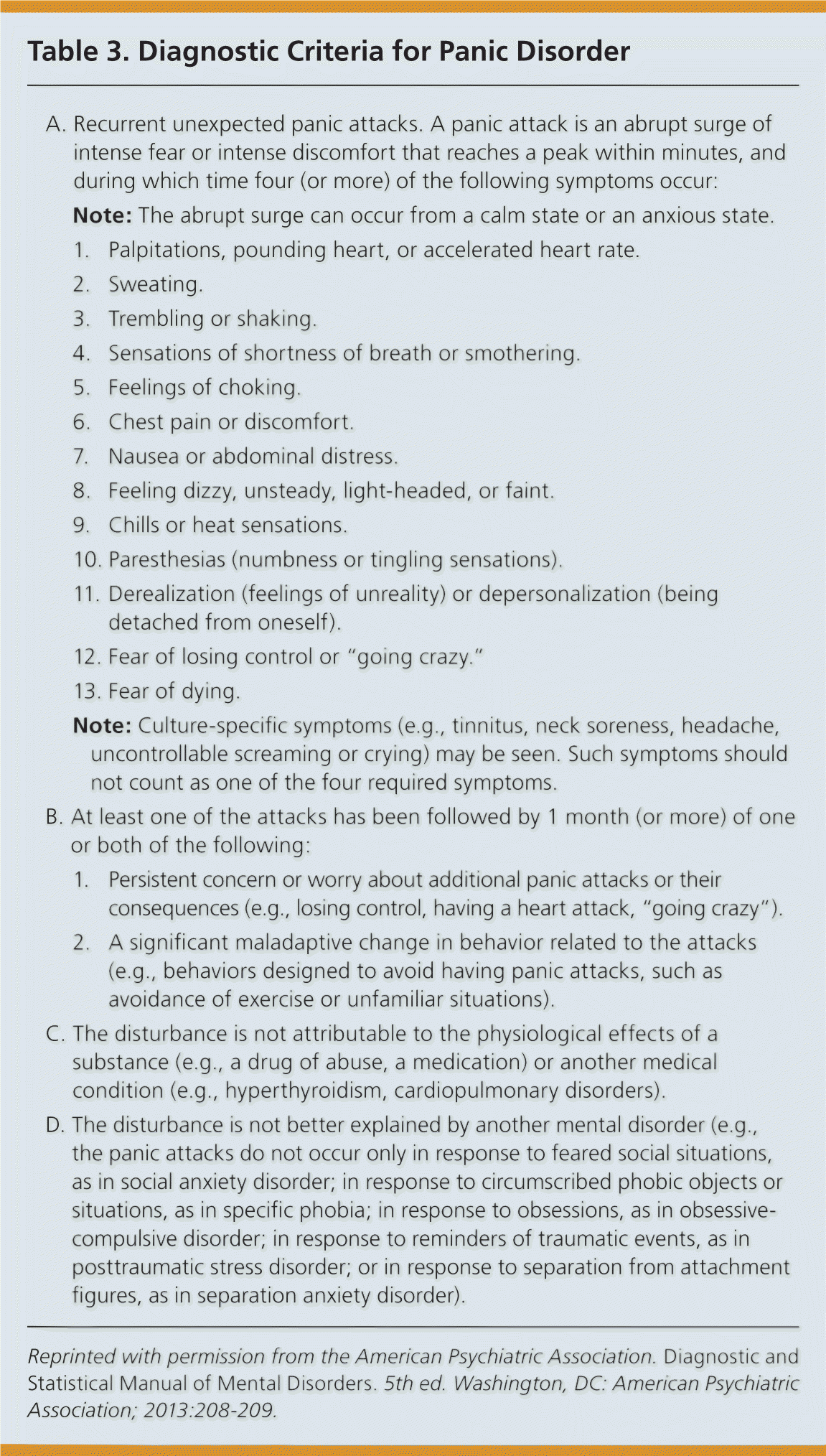
| A. Recurrent unexpected panic attacks. A panic attack is an abrupt surge of intense fear or intense discomfort that reaches a peak within minutes, and during which time four (or more) of the following symptoms occur: |
| Note: The abrupt surge can occur from a calm state or an anxious state. |
| 1. Palpitations, pounding heart, or accelerated heart rate. |
| 2. Sweating. |
| 3. Trembling or shaking. |
| 4. Sensations of shortness of breath or smothering. |
| 5. Feelings of choking. |
| 6. Chest pain or discomfort. |
| 7. Nausea or abdominal distress. |
| 8. Feeling dizzy, unsteady, light-headed, or faint. |
| 9. Chills or heat sensations. |
| 10. Paresthesias (numbness or tingling sensations). |
| 11. Derealization (feelings of unreality) or depersonalization (being detached from oneself). |
| 12. Fear of losing control or “going crazy.” |
| 13. Fear of dying. |
| Note: Culture-specific symptoms (e.g., tinnitus, neck soreness, headache, uncontrollable screaming or crying) may be seen. Such symptoms should not count as one of the four required symptoms. |
| B. At least one of the attacks has been followed by 1 month (or more) of one or both of the following: |
| 1. Persistent concern or worry about additional panic attacks or their consequences (e.g., losing control, having a heart attack, “going crazy”). |
| 2. A significant maladaptive change in behavior related to the attacks (e.g., behaviors designed to avoid having panic attacks, such as avoidance of exercise or unfamiliar situations). |
| C. The disturbance is not attributable to the physiological effects of a substance (e.g., a drug of abuse, a medication) or another medical condition (e.g., hyperthyroidism, cardiopulmonary disorders). |
| D. The disturbance is not better explained by another mental disorder (e.g., the panic attacks do not occur only in response to feared social situations, as in social anxiety disorder; in response to circumscribed phobic objects or situations, as in specific phobia; in response to obsessions, as in obsessive-compulsive disorder; in response to reminders of traumatic events, as in posttraumatic stress disorder; or in response to separation from attachment figures, as in separation anxiety disorder). |