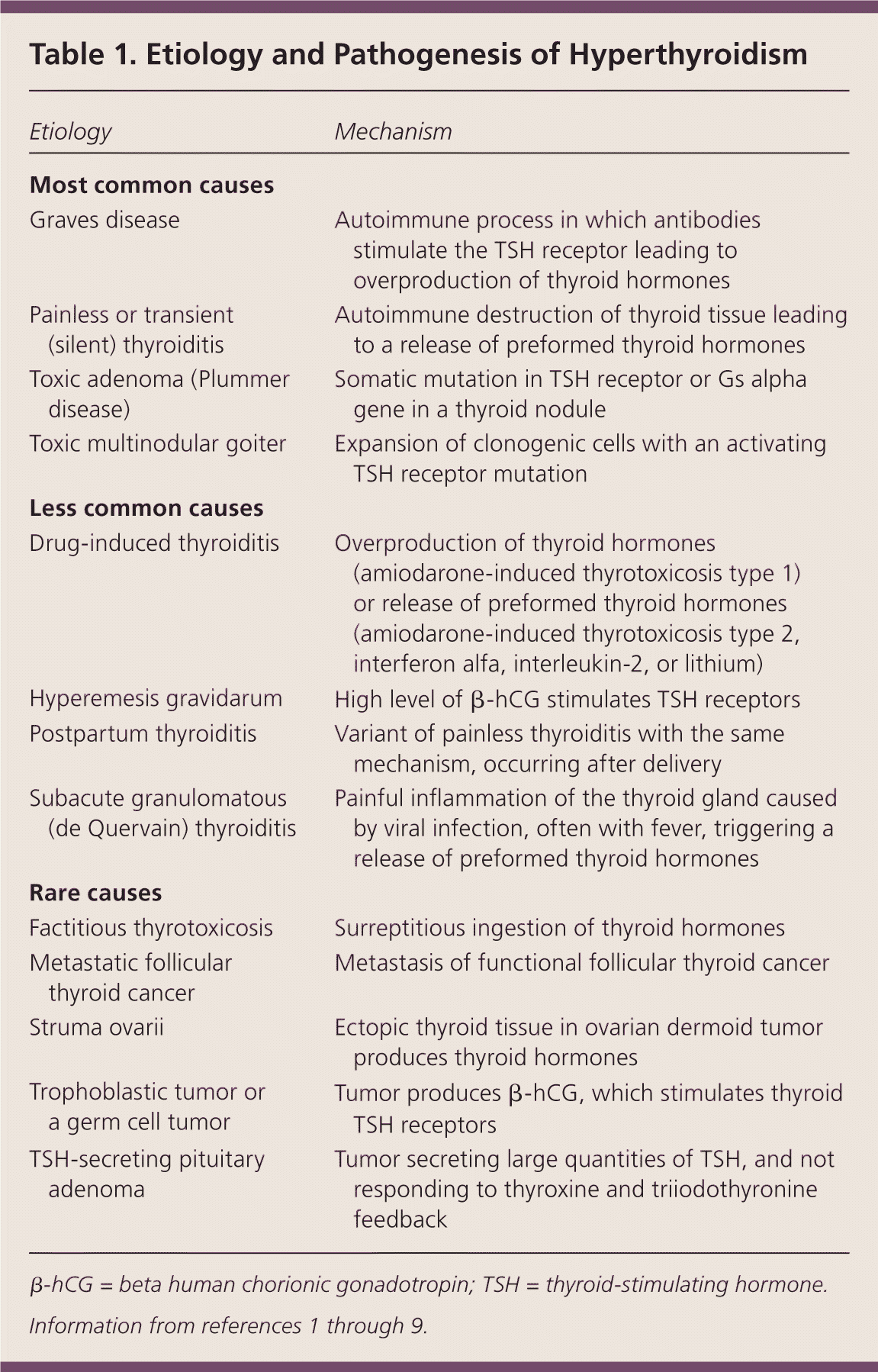
| Most common causes |
| Graves disease | Autoimmune process in which antibodies stimulate the TSH receptor leading to overproduction of thyroid hormones |
| Painless or transient (silent) thyroiditis | Autoimmune destruction of thyroid tissue leading to a release of preformed thyroid hormones |
| Toxic adenoma (Plummer disease) | Somatic mutation in TSH receptor or Gs alpha gene in a thyroid nodule |
| Toxic multinodular goiter | Expansion of clonogenic cells with an activating TSH receptor mutation |
| Less common causes |
| Drug-induced thyroiditis | Overproduction of thyroid hormones (amiodarone-induced thyrotoxicosis type 1) or release of preformed thyroid hormones (amiodarone-induced thyrotoxicosis type 2, interferon alfa, interleukin-2, or lithium) |
| Hyperemesis gravidarum | High level of β-hCG stimulates TSH receptors |
| Postpartum thyroiditis | Variant of painless thyroiditis with the same mechanism, occurring after delivery |
| Subacute granulomatous (de Quervain) thyroiditis | Painful inflammation of the thyroid gland caused by viral infection, often with fever, triggering a release of preformed thyroid hormones |
| Rare causes |
| Factitious thyrotoxicosis | Surreptitious ingestion of thyroid hormones |
| Metastatic follicular thyroid cancer | Metastasis of functional follicular thyroid cancer |
| Struma ovarii | Ectopic thyroid tissue in ovarian dermoid tumor produces thyroid hormones |
| Trophoblastic tumor or a germ cell tumor | Tumor produces β-hCG, which stimulates thyroid TSH receptors |
| TSH-secreting pituitary adenoma | Tumor secreting large quantities of TSH, and not responding to thyroxine and triiodothyronine feedback |