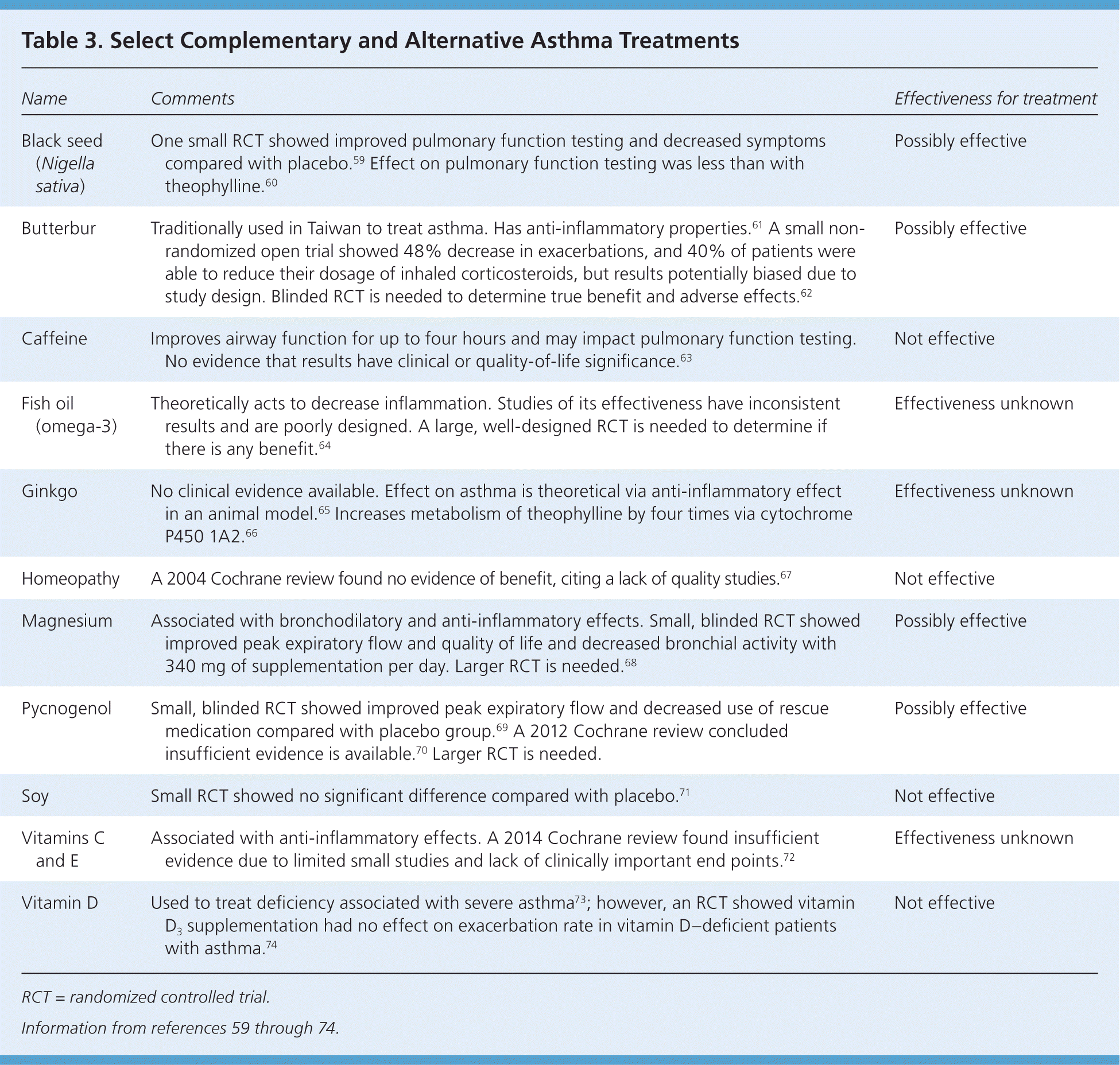
| Black seed (Nigella sativa) | One small RCT showed improved pulmonary function testing and decreased symptoms compared with placebo.59 Effect on pulmonary function testing was less than with theophylline.60 | Possibly effective |
| Butterbur | Traditionally used in Taiwan to treat asthma. Has anti-inflammatory properties.61 A small non-randomized open trial showed 48% decrease in exacerbations, and 40% of patients were able to reduce their dosage of inhaled corticosteroids, but results potentially biased due to study design. Blinded RCT is needed to determine true benefit and adverse effects.62 | Possibly effective |
| Caffeine | Improves airway function for up to four hours and may impact pulmonary function testing. No evidence that results have clinical or quality-of-life significance.63 | Not effective |
| Fish oil (omega-3) | Theoretically acts to decrease inflammation. Studies of its effectiveness have inconsistent results and are poorly designed. A large, well-designed RCT is needed to determine if there is any benefit.64 | Effectiveness unknown |
| Ginkgo | No clinical evidence available. Effect on asthma is theoretical via anti-inflammatory effect in an animal model.65 Increases metabolism of theophylline by four times via cytochrome P450 1A2.66 | Effectiveness unknown |
| Homeopathy | A 2004 Cochrane review found no evidence of benefit, citing a lack of quality studies.67 | Not effective |
| Magnesium | Associated with bronchodilatory and anti-inflammatory effects. Small, blinded RCT showed improved peak expiratory flow and quality of life and decreased bronchial activity with 340 mg of supplementation per day. Larger RCT is needed.68 | Possibly effective |
| Pycnogenol | Small, blinded RCT showed improved peak expiratory flow and decreased use of rescue medication compared with placebo group.69 A 2012 Cochrane review concluded insufficient evidence is available.70 Larger RCT is needed. | Possibly effective |
| Soy | Small RCT showed no significant difference compared with placebo.71 | Not effective |
| Vitamins C and E | Associated with anti-inflammatory effects. A 2014 Cochrane review found insufficient evidence due to limited small studies and lack of clinically important end points.72 | Effectiveness unknown |
| Vitamin D | Used to treat deficiency associated with severe asthma73; however, an RCT showed vitamin D3 supplementation had no effect on exacerbation rate in vitamin D–deficient patients with asthma.74 | Not effective |