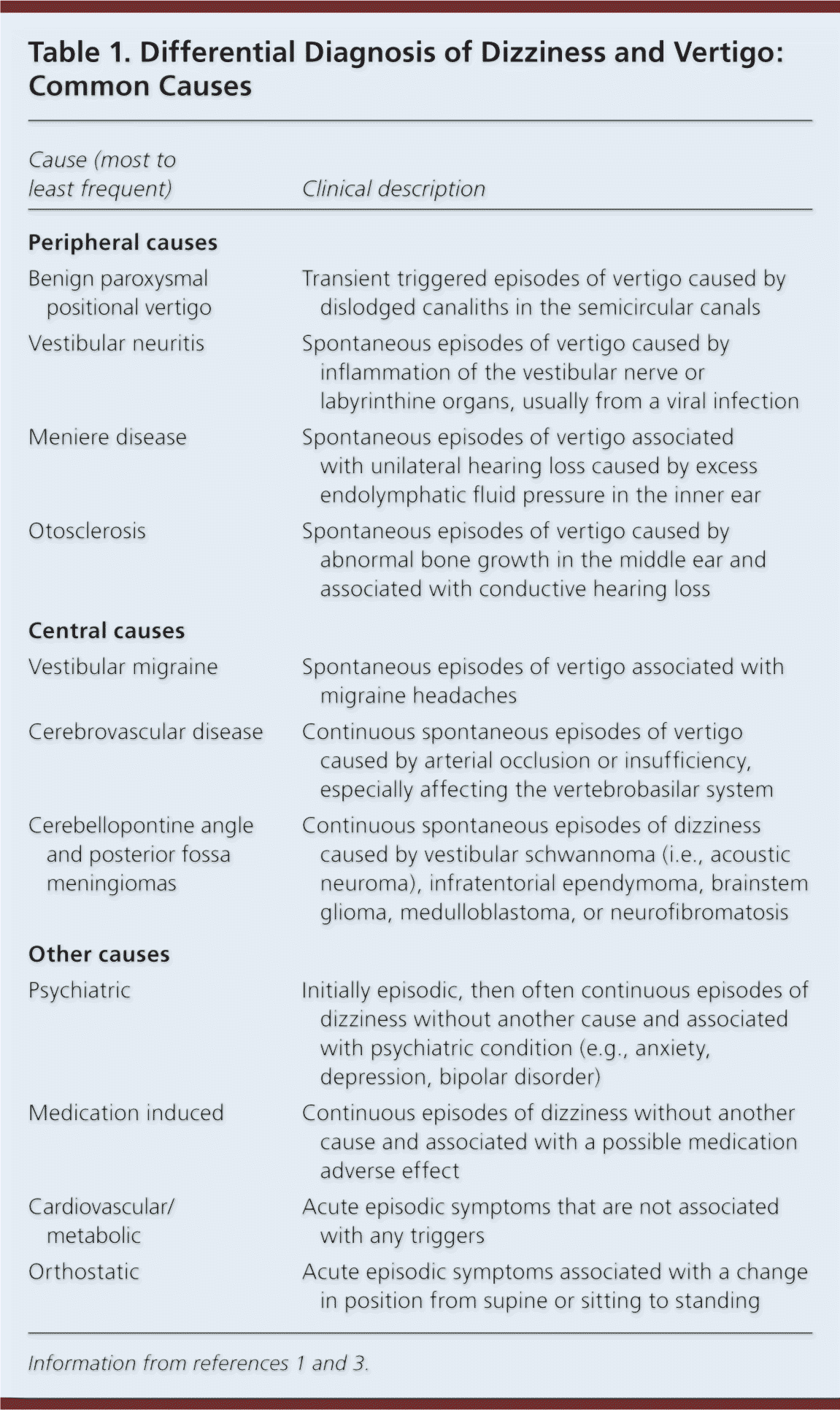
| Peripheral causes |
| Benign paroxysmal positional vertigo | Transient triggered episodes of vertigo caused by dislodged canaliths in the semicircular canals |
| Vestibular neuritis | Spontaneous episodes of vertigo caused by inflammation of the vestibular nerve or labyrinthine organs, usually from a viral infection |
| Meniere disease | Spontaneous episodes of vertigo associated with unilateral hearing loss caused by excess endolymphatic fluid pressure in the inner ear |
| Otosclerosis | Spontaneous episodes of vertigo caused by abnormal bone growth in the middle ear and associated with conductive hearing loss |
| Central causes |
| Vestibular migraine | Spontaneous episodes of vertigo associated with migraine headaches |
| Cerebrovascular disease | Continuous spontaneous episodes of vertigo caused by arterial occlusion or insufficiency, especially affecting the vertebrobasilar system |
| Cerebellopontine angle and posterior fossa meningiomas | Continuous spontaneous episodes of dizziness caused by vestibular schwannoma (i.e., acoustic neuroma), infratentorial ependymoma, brainstem glioma, medulloblastoma, or neurofibromatosis |
| Other causes |
| Psychiatric | Initially episodic, then often continuous episodes of dizziness without another cause and associated with psychiatric condition (e.g., anxiety, depression, bipolar disorder) |
| Medication induced | Continuous episodes of dizziness without another cause and associated with a possible medication adverse effect |
| Cardiovascular/metabolic | Acute episodic symptoms that are not associated with any triggers |
| Orthostatic | Acute episodic symptoms associated with a change in position from supine or sitting to standing |