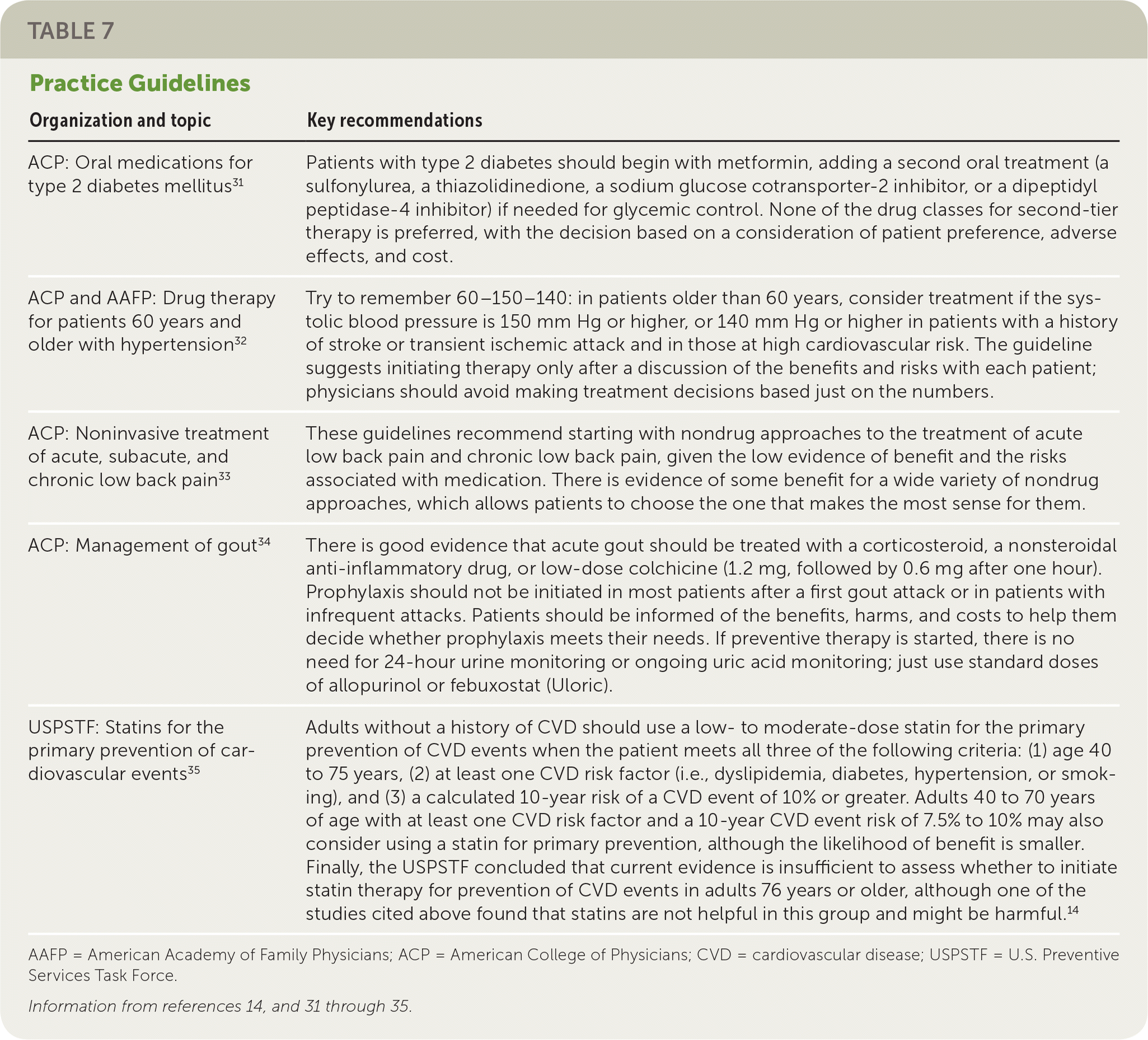
| ACP: Oral medications for type 2 diabetes mellitus31 | Patients with type 2 diabetes should begin with metformin, adding a second oral treatment (a sulfonylurea, a thiazolidinedione, a sodium glucose cotransporter-2 inhibitor, or a dipeptidyl peptidase-4 inhibitor) if needed for glycemic control. None of the drug classes for second-tier therapy is preferred, with the decision based on a consideration of patient preference, adverse effects, and cost. |
| ACP and AAFP: Drug therapy for patients 60 years and older with hypertension32 | Try to remember 60–150–140: in patients older than 60 years, consider treatment if the systolic blood pressure is 150 mm Hg or higher, or 140 mm Hg or higher in patients with a history of stroke or transient ischemic attack and in those at high cardiovascular risk. The guideline suggests initiating therapy only after a discussion of the benefits and risks with each patient; physicians should avoid making treatment decisions based just on the numbers. |
| ACP: Noninvasive treatment of acute, subacute, and chronic low back pain33 | These guidelines recommend starting with nondrug approaches to the treatment of acute low back pain and chronic low back pain, given the low evidence of benefit and the risks associated with medication. There is evidence of some benefit for a wide variety of nondrug approaches, which allows patients to choose the one that makes the most sense for them. |
| ACP: Management of gout34 | There is good evidence that acute gout should be treated with a corticosteroid, a nonsteroidal anti-inflammatory drug, or low-dose colchicine (1.2 mg, followed by 0.6 mg after one hour). Prophylaxis should not be initiated in most patients after a first gout attack or in patients with infrequent attacks. Patients should be informed of the benefits, harms, and costs to help them decide whether prophylaxis meets their needs. If preventive therapy is started, there is no need for 24-hour urine monitoring or ongoing uric acid monitoring; just use standard doses of allopurinol or febuxostat (Uloric). |
| USPSTF: Statins for the primary prevention of cardiovascular events35 | Adults without a history of CVD should use a low- to moderate-dose statin for the primary prevention of CVD events when the patient meets all three of the following criteria: (1) age 40 to 75 years, (2) at least one CVD risk factor (i.e., dyslipidemia, diabetes, hypertension, or smoking), and (3) a calculated 10-year risk of a CVD event of 10% or greater. Adults 40 to 70 years of age with at least one CVD risk factor and a 10-year CVD event risk of 7.5% to 10% may also consider using a statin for primary prevention, although the likelihood of benefit is smaller. Finally, the USPSTF concluded that current evidence is insufficient to assess whether to initiate statin therapy for prevention of CVD events in adults 76 years or older, although one of the studies cited above found that statins are not helpful in this group and might be harmful.14 |