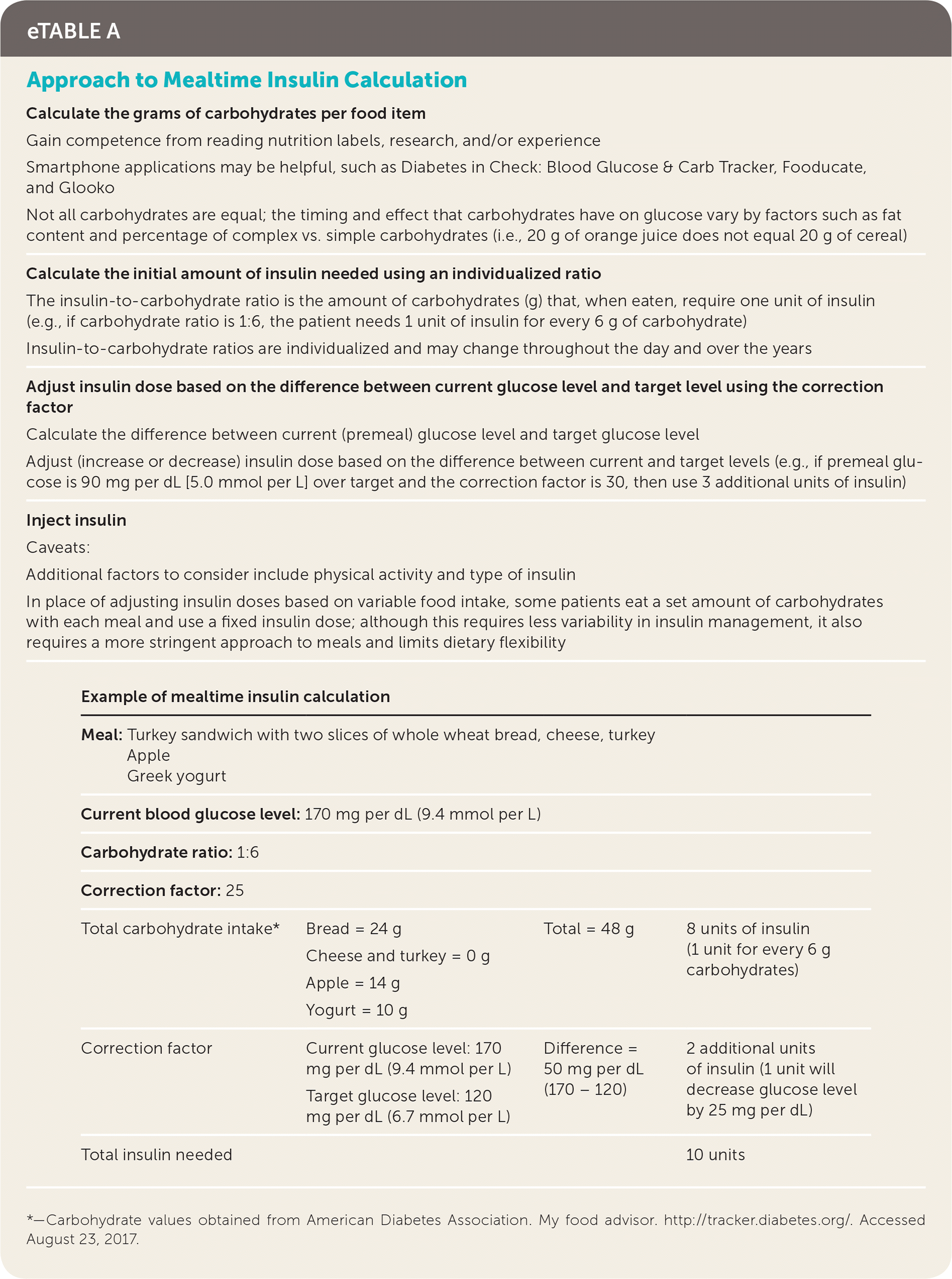
| Calculate the grams of carbohydrates per food item | |||
| Gain competence from reading nutrition labels, research, and/or experience Smartphone applications may be helpful, such as Diabetes in Check: Blood Glucose & Carb Tracker, Fooducate, and Glooko Not all carbohydrates are equal; the timing and effect that carbohydrates have on glucose vary by factors such as fat content and percentage of complex vs. simple carbohydrates (i.e., 20 g of orange juice does not equal 20 g of cereal) | |||
| Calculate the initial amount of insulin needed using an individualized ratio | |||
| The insulin-to-carbohydrate ratio is the amount of carbohydrates (g) that, when eaten, require one unit of insulin (e.g., if carbohydrate ratio is 1:6, the patient needs 1 unit of insulin for every 6 g of carbohydrate) Insulin-to-carbohydrate ratios are individualized and may change throughout the day and over the years | |||
| Adjust insulin dose based on the difference between current glucose level and target level using the correction factor | |||
| Calculate the difference between current (premeal) glucose level and target glucose level Adjust (increase or decrease) insulin dose based on the difference between current and target levels (e.g., if premeal glucose is 90 mg per dL [5.0 mmol per L] over target and the correction factor is 30, then use 3 additional units of insulin) | |||
| Inject insulin | |||
| Caveats: | |||
| Additional factors to consider include physical activity and type of insulin In place of adjusting insulin doses based on variable food intake, some patients eat a set amount of carbohydrates with each meal and use a fixed insulin dose; although this requires less variability in insulin management, it also requires a more stringent approach to meals and limits dietary flexibility | |||
| Example of mealtime insulin calculation | |||
Meal:
| |||
| Current blood glucose level: 170 mg per dL (9.4 mmol per L) | |||
| Carbohydrate ratio: 1:6 | |||
| Correction factor: 25 | |||
| Total carbohydrate intake* | Bread = 24 g Cheese and turkey = 0 g Apple = 14 g Yogurt = 10 g | Total = 48 g | 8 units of insulin (1 unit for every 6 g carbohydrates) |
| Correction factor | Current glucose level: 170 mg per dL (9.4 mmol per L) Target glucose level: 120 mg per dL (6.7 mmol per L) | Difference = 50 mg per dL (170 – 120) | 2 additional units of insulin (1 unit will decrease glucose level by 25 mg per dL) |
| Total insulin needed | 10 units | ||