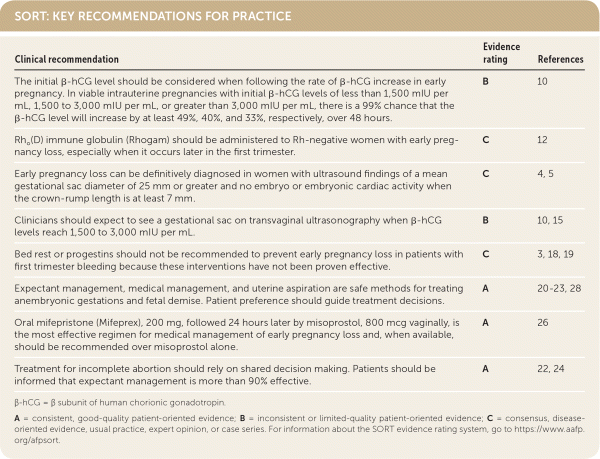
| The initial β-hCG level should be considered when following the rate of β-hCG increase in early pregnancy. In viable intrauterine pregnancies with initial β-hCG levels of less than 1,500 mIU per mL, 1,500 to 3,000 mIU per mL, or greater than 3,000 mIU per mL, there is a 99% chance that the β-hCG level will increase by at least 49%, 40%, and 33%, respectively, over 48 hours. |
B |
10 |
| Rho (D) immune globulin (Rhogam) should be administered to Rh-negative women with early pregnancy loss, especially when it occurs later in the first trimester. |
C |
12 |
| Early pregnancy loss can be definitively diagnosed in women with ultrasound findings of a mean gestational sac diameter of 25 mm or greater and no embryo or embryonic cardiac activity when the crown-rump length is at least 7 mm. |
C |
4, 5 |
| Clinicians should expect to see a gestational sac on transvaginal ultrasonography when β-hCG levels reach 1,500 to 3,000 mIU per mL. |
B |
10, 15 |
| Bed rest or progestins should not be recommended to prevent early pregnancy loss in patients with first trimester bleeding because these interventions have not been proven effective. |
C |
3, 18, 19 |
| Expectant management, medical management, and uterine aspiration are safe methods for treating anembryonic gestations and fetal demise. Patient preference should guide treatment decisions. |
A |
20–23, 28 |
| Oral mifepristone (Mifeprex), 200 mg, followed 24 hours later by misoprostol, 800 mcg vaginally, is the most effective regimen for medical management of early pregnancy loss and, when available, should be recommended over misoprostol alone. |
A |
26 |
| Treatment for incomplete abortion should rely on shared decision making. Patients should be informed that expectant management is more than 90% effective. |
A |
22, 24 |