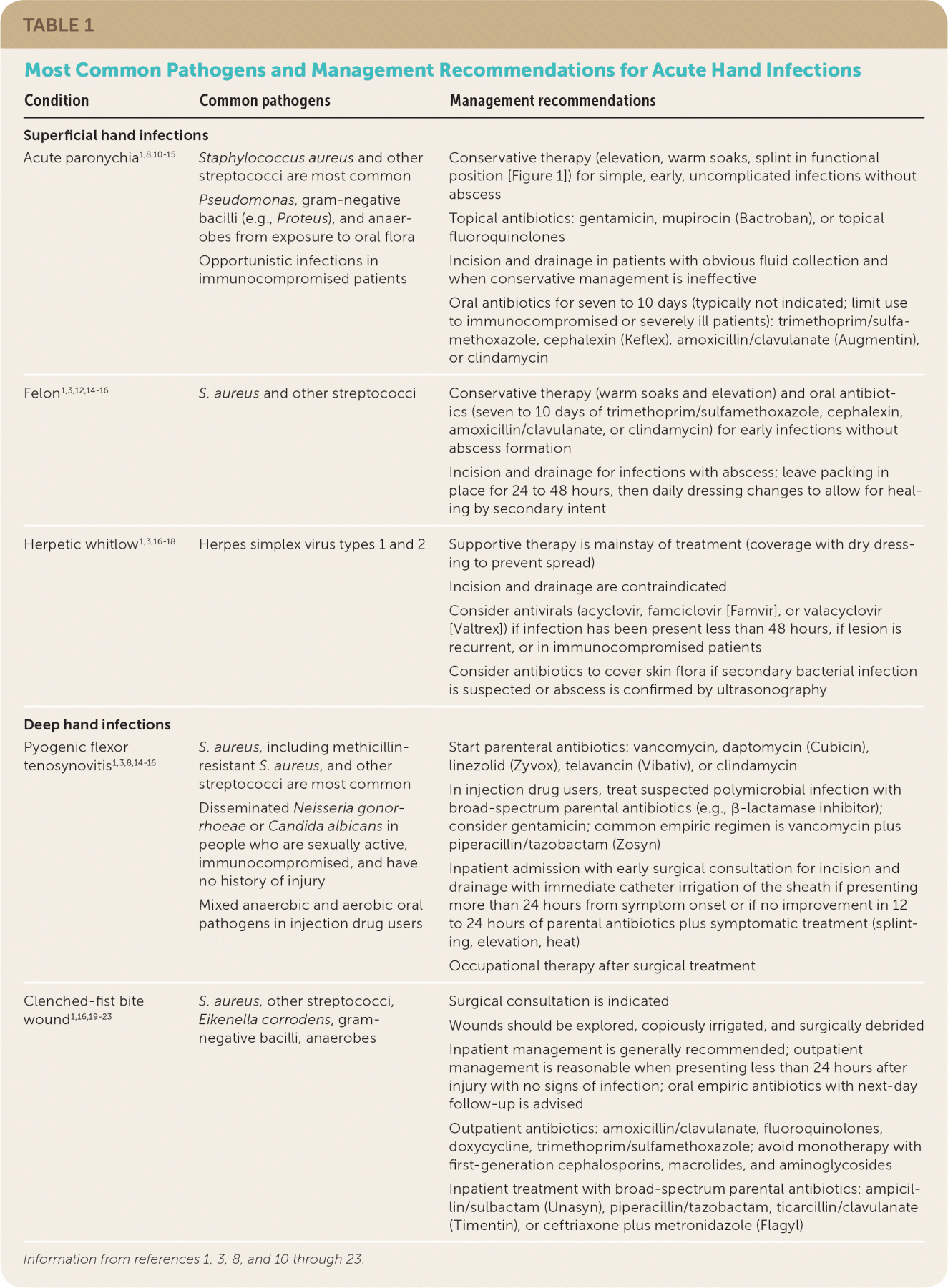
| Condition | Common pathogens | Management recommendations |
|---|---|---|
| Superficial hand infections | ||
| Acute paronychia1,8,10–15 | Staphylococcus aureus and other streptococci are most common Pseudomonas, gram-negative bacilli (e.g., Proteus), and anaerobes from exposure to oral flora Opportunistic infections in immunocompromised patients | Conservative therapy (elevation, warm soaks, splint in functional position [Figure 1]) for simple, early, uncomplicated infections without abscess Topical antibiotics: gentamicin, mupirocin (Bactroban), or topical fluoroquinolones Incision and drainage in patients with obvious fluid collection and when conservative management is ineffective Oral antibiotics for seven to 10 days (typically not indicated; limit use to immunocompromised or severely ill patients): trimethoprim/sulfa-methoxazole, cephalexin (Keflex), amoxicillin/clavulanate (Augmentin), or clindamycin |
| Felon1,3,12,14–16 | S. aureus and other streptococci | Conservative therapy (warm soaks and elevation) and oral antibiotics (seven to 10 days of trimethoprim/sulfamethoxazole, cephalexin, amoxicillin/clavulanate, or clindamycin) for early infections without abscess formation Incision and drainage for infections with abscess; leave packing in place for 24 to 48 hours, then daily dressing changes to allow for healing by secondary intent |
| Herpetic whitlow1,3,16–18 | Herpes simplex virus types 1 and 2 | Supportive therapy is mainstay of treatment (coverage with dry dressing to prevent spread) Incision and drainage are contraindicated Consider antivirals (acyclovir, famciclovir [Famvir], or valacyclovir [Valtrex]) if infection has been present less than 48 hours, if lesion is recurrent, or in immunocompromised patients Consider antibiotics to cover skin flora if secondary bacterial infection is suspected or abscess is confirmed by ultrasonography |
| Deep hand infections | ||
| Pyogenic flexor tenosynovitis1,3,8,14–16 | S. aureus, including methicillin-resistant S. aureus, and other streptococci are most common Disseminated Neisseria gonorrhoeae or Candida albicans in people who are sexually active, immunocompromised, and have no history of injury Mixed anaerobic and aerobic oral pathogens in injection drug users | Start parenteral antibiotics: vancomycin, daptomycin (Cubicin), linezolid (Zyvox), telavancin (Vibativ), or clindamycin In injection drug users, treat suspected polymicrobial infection with broad-spectrum parental antibiotics (e.g., β-lactamase inhibitor); consider gentamicin; common empiric regimen is vancomycin plus piperacillin/tazobactam (Zosyn) Inpatient admission with early surgical consultation for incision and drainage with immediate catheter irrigation of the sheath if presenting more than 24 hours from symptom onset or if no improvement in 12 to 24 hours of parental antibiotics plus symptomatic treatment (splinting, elevation, heat) Occupational therapy after surgical treatment |
| Clenched-fist bite wound1,16,19–23 | S. aureus, other streptococci, Eikenella corrodens, gram-negative bacilli, anaerobes | Surgical consultation is indicated Wounds should be explored, copiously irrigated, and surgically debrided Inpatient management is generally recommended; outpatient management is reasonable when presenting less than 24 hours after injury with no signs of infection; oral empiric antibiotics with next-day follow-up is advised Outpatient antibiotics: amoxicillin/clavulanate, fluoroquinolones, doxycycline, trimethoprim/sulfamethoxazole; avoid monotherapy with first-generation cephalosporins, macrolides, and aminoglycosides Inpatient treatment with broad-spectrum parental antibiotics: ampicillin/sulbactam (Unasyn), piperacillin/tazobactam, ticarcillin/clavulanate (Timentin), or ceftriaxone plus metronidazole (Flagyl) |