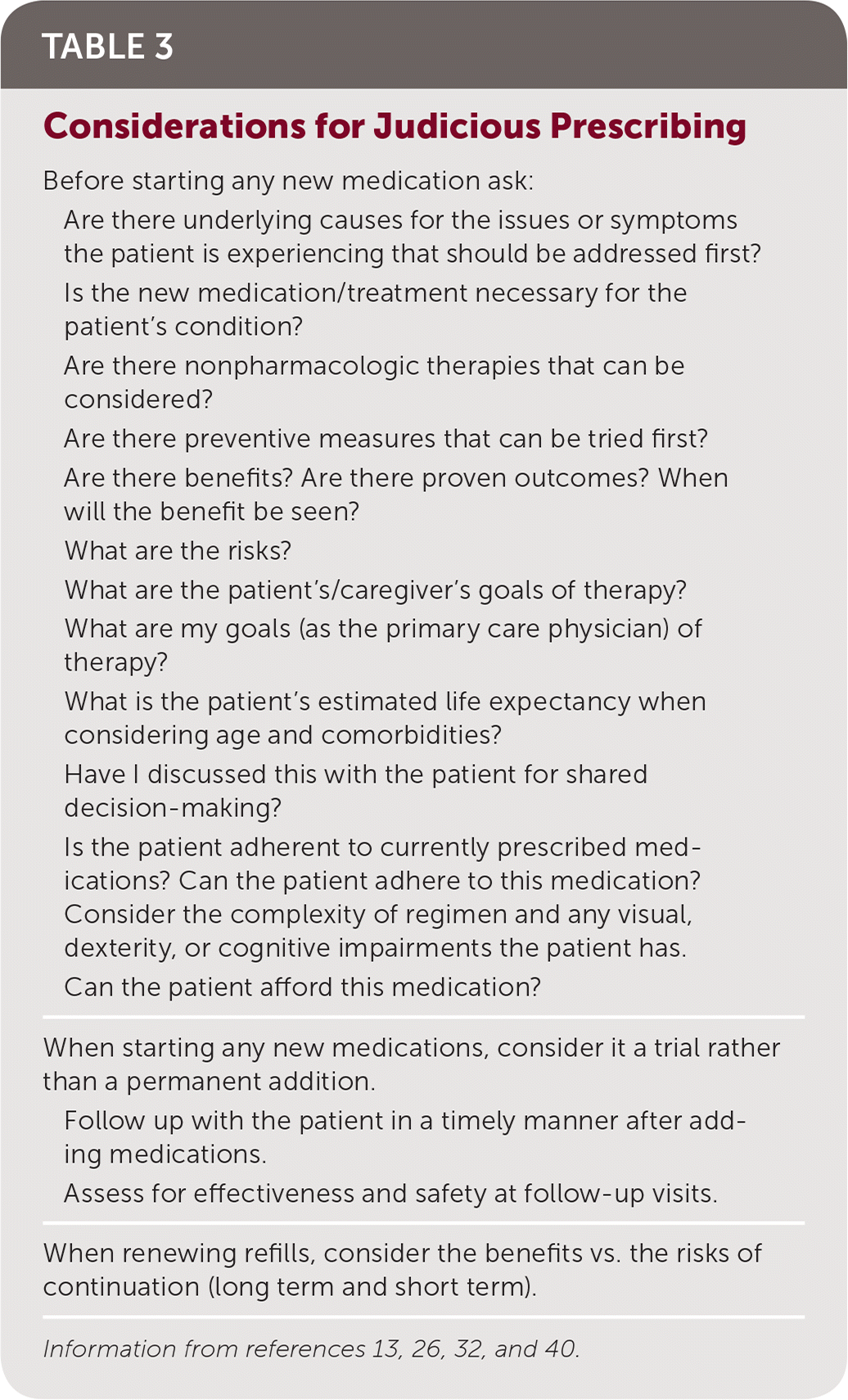
Are there underlying causes for the issues or symptoms the patient is experiencing that should be addressed first?
Is the new medication/treatment necessary for the patient's condition?
Are there nonpharmacologic therapies that can be considered?
Are there preventive measures that can be tried first?
Are there benefits? Are there proven outcomes? When will the benefit be seen?
What are the risks?
What are the patient's/caregiver's goals of therapy?
What are my goals (as the primary care physician) of therapy?
What is the patient's estimated life expectancy when considering age and comorbidities?
Have I discussed this with the patient for shared decision-making?
Is the patient adherent to currently prescribed medications? Can the patient adhere to this medication? Consider the complexity of regimen and any visual, dexterity, or cognitive impairments the patient has.
Can the patient afford this medication?