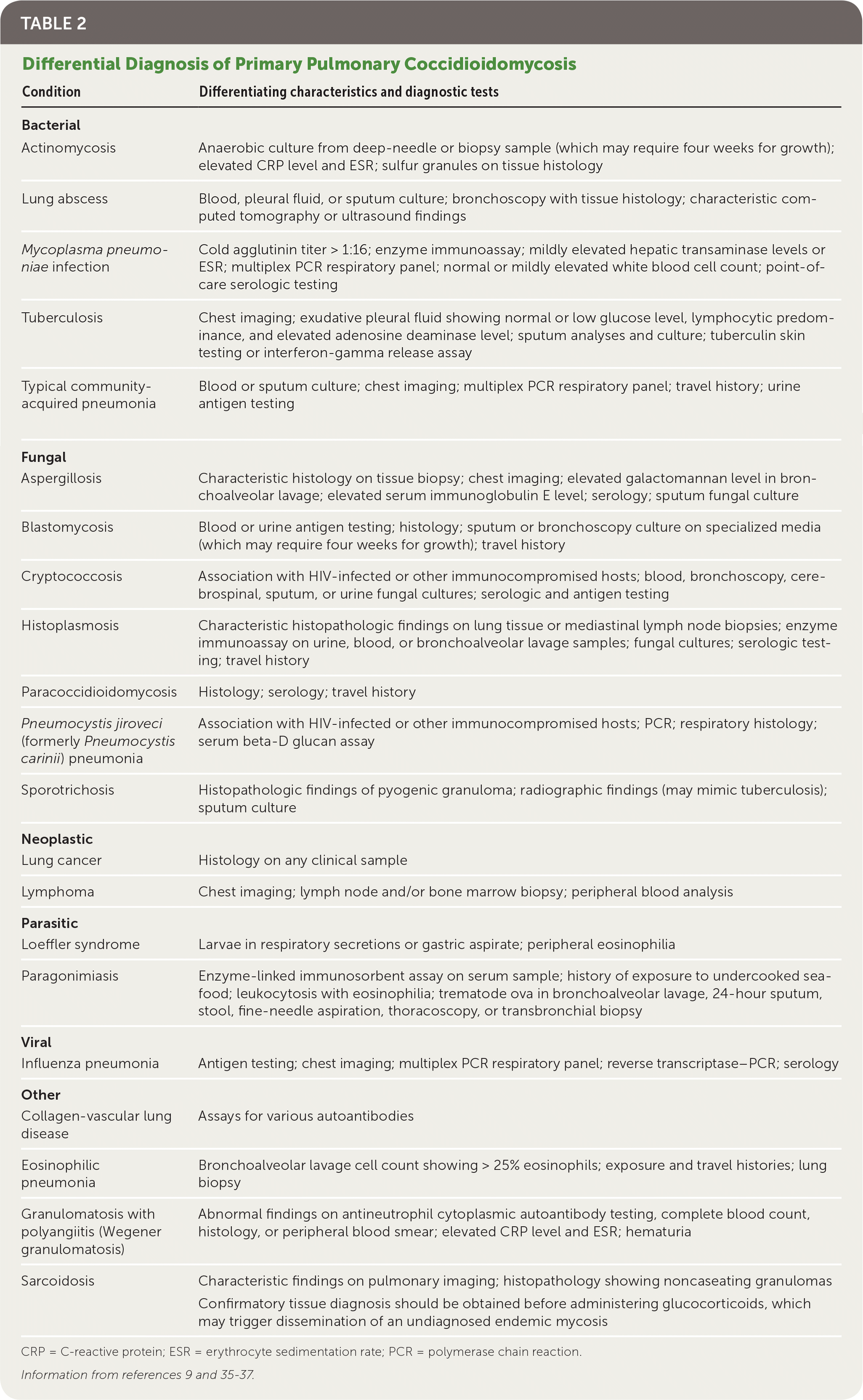
| Condition | Differentiating characteristics and diagnostic tests |
|---|---|
| Bacterial | |
| Actinomycosis | Anaerobic culture from deep-needle or biopsy sample (which may require four weeks for growth); elevated CRP level and ESR; sulfur granules on tissue histology |
| Lung abscess | Blood, pleural fluid, or sputum culture; bronchoscopy with tissue histology; characteristic computed tomography or ultrasound findings |
| Mycoplasma pneumoniae infection | Cold agglutinin titer > 1:16; enzyme immunoassay; mildly elevated hepatic transaminase levels or ESR; multiplex PCR respiratory panel; normal or mildly elevated white blood cell count; point-of-care serologic testing |
| Tuberculosis | Chest imaging; exudative pleural fluid showing normal or low glucose level, lymphocytic predominance, and elevated adenosine deaminase level; sputum analyses and culture; tuberculin skin testing or interferon-gamma release assay |
| Typical community-acquired pneumonia | Blood or sputum culture; chest imaging; multiplex PCR respiratory panel; travel history; urine antigen testing |
| Fungal | |
| Aspergillosis | Characteristic histology on tissue biopsy; chest imaging; elevated galactomannan level in bronchoalveolar lavage; elevated serum immunoglobulin E level; serology; sputum fungal culture |
| Blastomycosis | Blood or urine antigen testing; histology; sputum or bronchoscopy culture on specialized media (which may require four weeks for growth); travel history |
| Cryptococcosis | Association with HIV-infected or other immunocompromised hosts; blood, bronchoscopy, cerebrospinal, sputum, or urine fungal cultures; serologic and antigen testing |
| Histoplasmosis | Characteristic histopathologic findings on lung tissue or mediastinal lymph node biopsies; enzyme immunoassay on urine, blood, or bronchoalveolar lavage samples; fungal cultures; serologic testing; travel history |
| Paracoccidioidomycosis | Histology; serology; travel history |
| Pneumocystis jiroveci (formerly Pneumocystis carinii) pneumonia | Association with HIV-infected or other immunocompromised hosts; PCR; respiratory histology; serum beta-D glucan assay |
| Sporotrichosis | Histopathologic findings of pyogenic granuloma; radiographic findings (may mimic tuberculosis); sputum culture |
| Neoplastic | |
| Lung cancer | Histology on any clinical sample |
| Lymphoma | Chest imaging; lymph node and/or bone marrow biopsy; peripheral blood analysis |
| Parasitic | |
| Loeffler syndrome | Larvae in respiratory secretions or gastric aspirate; peripheral eosinophilia |
| Paragonimiasis | Enzyme-linked immunosorbent assay on serum sample; history of exposure to undercooked seafood; leukocytosis with eosinophilia; trematode ova in bronchoalveolar lavage, 24-hour sputum, stool, fine-needle aspiration, thoracoscopy, or transbronchial biopsy |
| Viral | |
| Influenza pneumonia | Antigen testing; chest imaging; multiplex PCR respiratory panel; reverse transcriptase–PCR; serology |
| Other | |
| Collagen-vascular lung disease | Assays for various autoantibodies |
| Eosinophilic pneumonia | Bronchoalveolar lavage cell count showing > 25% eosinophils; exposure and travel histories; lung biopsy |
| Granulomatosis with polyangiitis (Wegener granulomatosis) | Abnormal findings on antineutrophil cytoplasmic autoantibody testing, complete blood count, histology, or peripheral blood smear; elevated CRP level and ESR; hematuria |
| Sarcoidosis | Characteristic findings on pulmonary imaging; histopathology showing noncaseating granulomas Confirmatory tissue diagnosis should be obtained before administering glucocorticoids, which may trigger dissemination of an undiagnosed endemic mycosis |