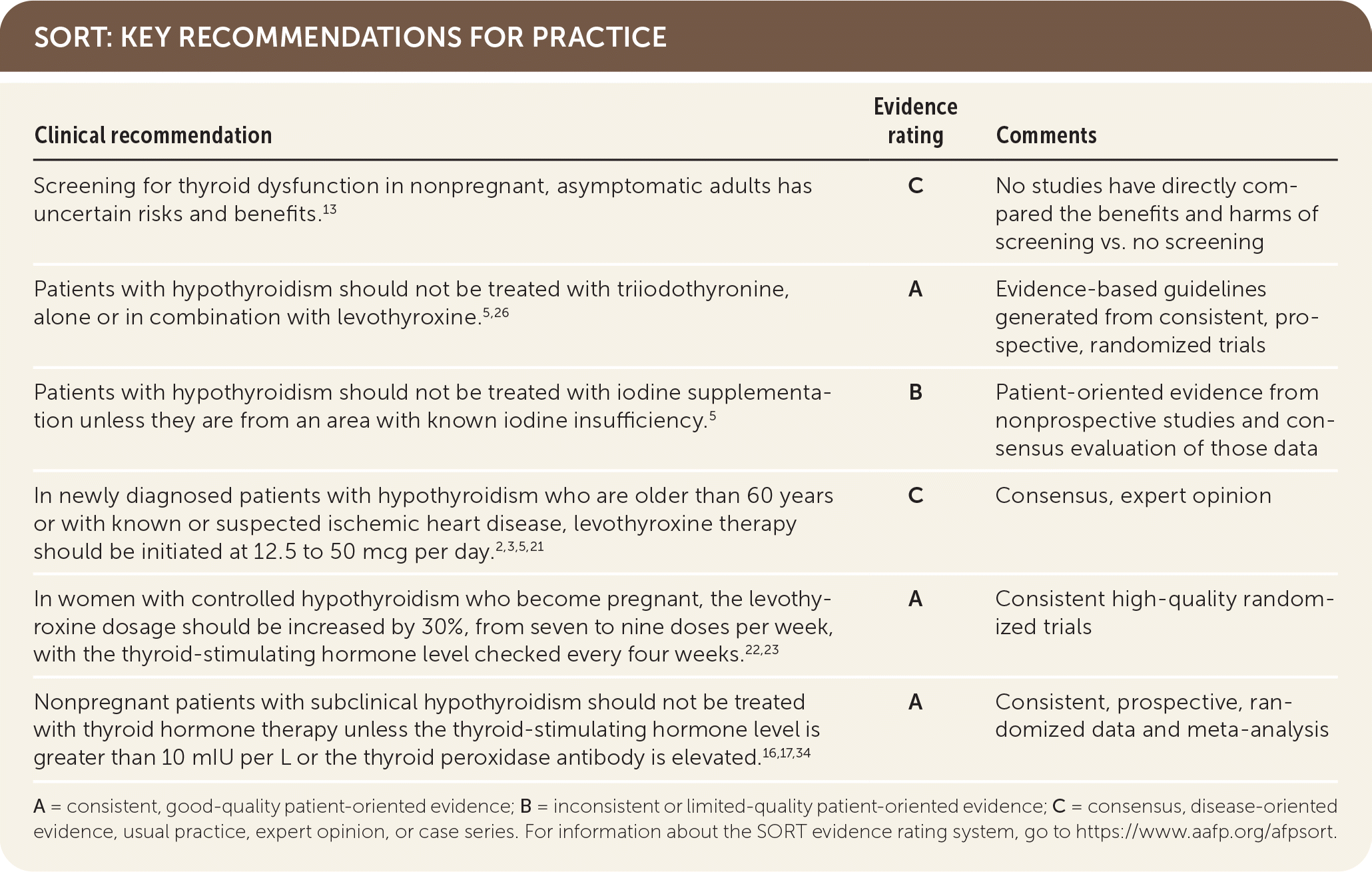
| Screening for thyroid dysfunction in nonpregnant, asymptomatic adults has uncertain risks and benefits.13 |
C |
No studies have directly compared the benefits and harms of screening vs. no screening |
| Patients with hypothyroidism should not be treated with triiodothyronine, alone or in combination with levothyroxine.5,26 |
A |
Evidence-based guidelines generated from consistent, prospective, randomized trials |
| Patients with hypothyroidism should not be treated with iodine supplementation unless they are from an area with known iodine insufficiency.5 |
B |
Patient-oriented evidence from nonprospective studies and consensus evaluation of those data |
| In newly diagnosed patients with hypothyroidism who are older than 60 years or with known or suspected ischemic heart disease, levothyroxine therapy should be initiated at 12.5 to 50 mcg per day.2,3,5,21 |
C |
Consensus, expert opinion |
| In women with controlled hypothyroidism who become pregnant, the levothyroxine dosage should be increased by 30%, from seven to nine doses per week, with the thyroid-stimulating hormone level checked every four weeks.22,23 |
A |
Consistent high-quality randomized trials |
| Nonpregnant patients with subclinical hypothyroidism should not be treated with thyroid hormone therapy unless the thyroid-stimulating hormone level is greater than 10 mIU per L or the thyroid peroxidase antibody is elevated.16,17,34 |
A |
Consistent, prospective, randomized data and meta-analysis |