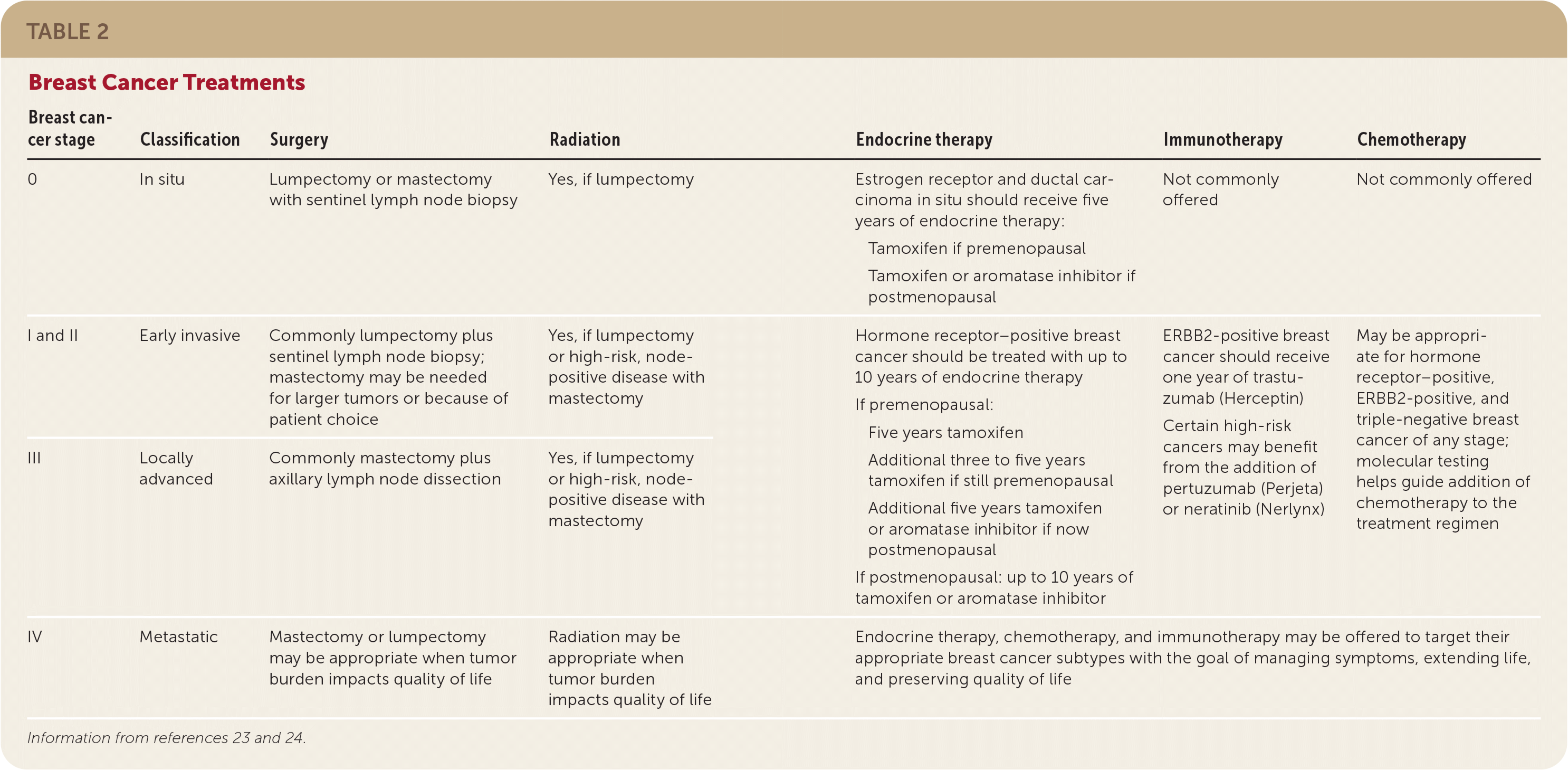
| Breast cancer stage | Classification | Surgery | Radiation | Endocrine therapy | Immunotherapy | Chemotherapy |
|---|---|---|---|---|---|---|
| 0 | In situ | Lumpectomy or mastectomy with sentinel lymph node biopsy | Yes, if lumpectomy | Estrogen receptor and ductal carcinoma in situ should receive five years of endocrine therapy: Tamoxifen if premenopausal Tamoxifen or aromatase inhibitor if postmenopausal | Not commonly offered | Not commonly offered |
| I and II | Early invasive | Commonly lumpectomy plus sentinel lymph node biopsy; mastectomy may be needed for larger tumors or because of patient choice | Yes, if lumpectomy or high-risk, node-positive disease with mastectomy | Hormone receptor–positive breast cancer should be treated with up to 10 years of endocrine therapy If premenopausal: Five years tamoxifen Additional three to five years tamoxifen if still premenopausal Additional five years tamoxifen or aromatase inhibitor if now postmenopausal If postmenopausal: up to 10 years of tamoxifen or aromatase inhibitor | ERBB2-positive breast cancer should receive one year of trastuzumab (Herceptin) Certain high-risk cancers may benefit from the addition of pertuzumab (Perjeta) or neratinib (Nerlynx) | May be appropriate for hormone receptor–positive, ERBB2-positive, and triple-negative breast cancer of any stage; molecular testing helps guide addition of chemotherapy to the treatment regimen |
| III | Locally advanced | Commonly mastectomy plus axillary lymph node dissection | Yes, if lumpectomy or high-risk, node-positive disease with mastectomy | |||
| IV | Metastatic | Mastectomy or lumpectomy may be appropriate when tumor burden impacts quality of life | Radiation may be appropriate when tumor burden impacts quality of life | Endocrine therapy, chemotherapy, and immunotherapy may be offered to target their appropriate breast cancer subtypes with the goal of managing symptoms, extending life, and preserving quality of life | ||