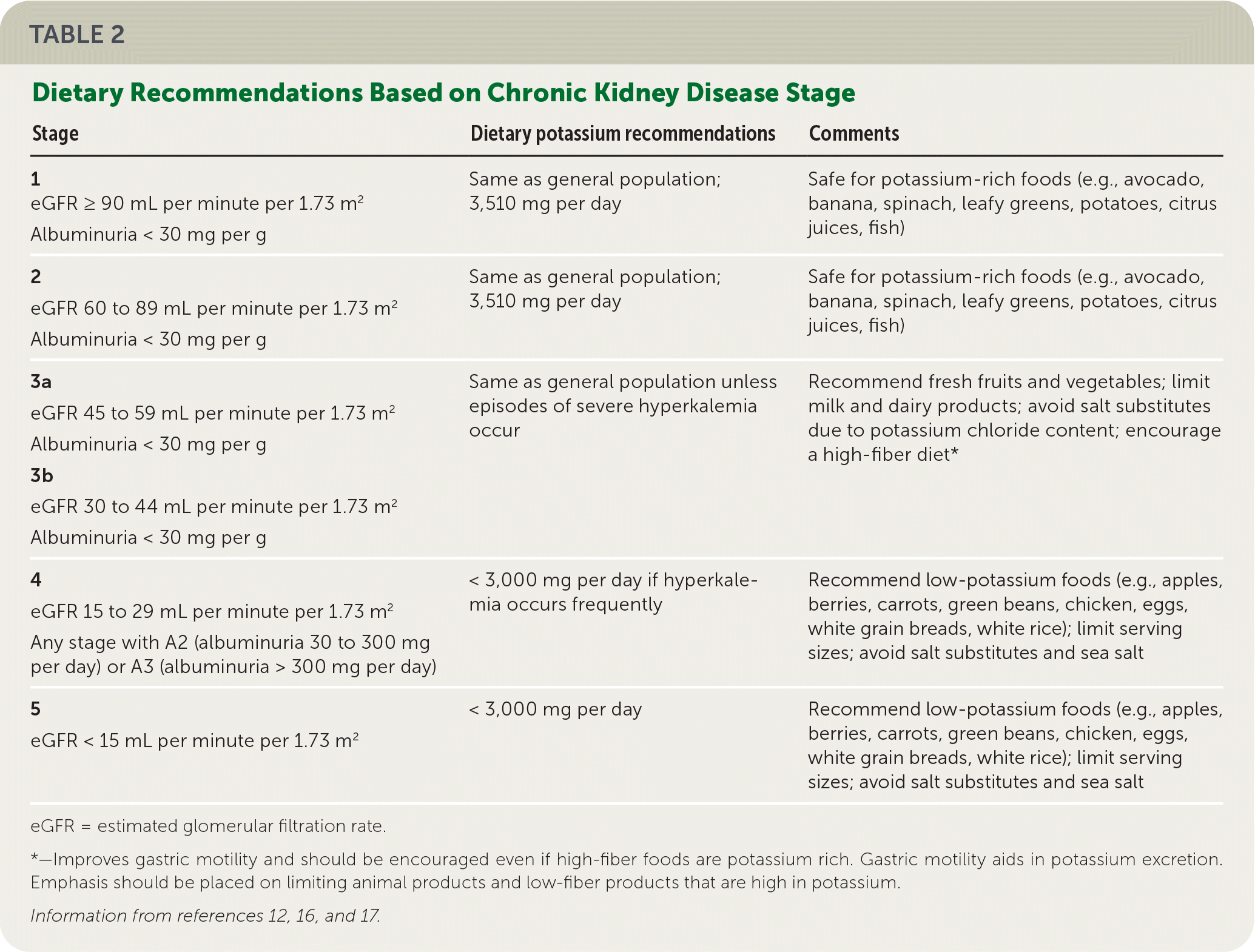
| Stage | Dietary potassium recommendations | Comments |
|---|---|---|
| 1 eGFR ≥ 90 mL per minute per 1.73 m2 Albuminuria < 30 mg per g | Same as general population; 3,510 mg per day | Safe for potassium-rich foods (e.g., avocado, banana, spinach, leafy greens, potatoes, citrus juices, fish) |
| 2 eGFR 60 to 89 mL per minute per 1.73 m2 Albuminuria < 30 mg per g | Same as general population; 3,510 mg per day | Safe for potassium-rich foods (e.g., avocado, banana, spinach, leafy greens, potatoes, citrus juices, fish) |
| 3a eGFR 45 to 59 mL per minute per 1.73 m2 Albuminuria < 30 mg per g 3b eGFR 30 to 44 mL per minute per 1.73 m2 Albuminuria < 30 mg per g | Same as general population unless episodes of severe hyperkalemia occur | Recommend fresh fruits and vegetables; limit milk and dairy products; avoid salt substitutes due to potassium chloride content; encourage a high-fiber diet* |
| 4 eGFR 15 to 29 mL per minute per 1.73 m2 Any stage with A2 (albuminuria 30 to 300 mg per day) or A3 (albuminuria > 300 mg per day) | < 3,000 mg per day if hyperkalemia occurs frequently | Recommend low-potassium foods (e.g., apples, berries, carrots, green beans, chicken, eggs, white grain breads, white rice); limit serving sizes; avoid salt substitutes and sea salt |
| 5 eGFR < 15 mL per minute per 1.73 m2 | < 3,000 mg per day | Recommend low-potassium foods (e.g., apples, berries, carrots, green beans, chicken, eggs, white grain breads, white rice); limit serving sizes; avoid salt substitutes and sea salt |