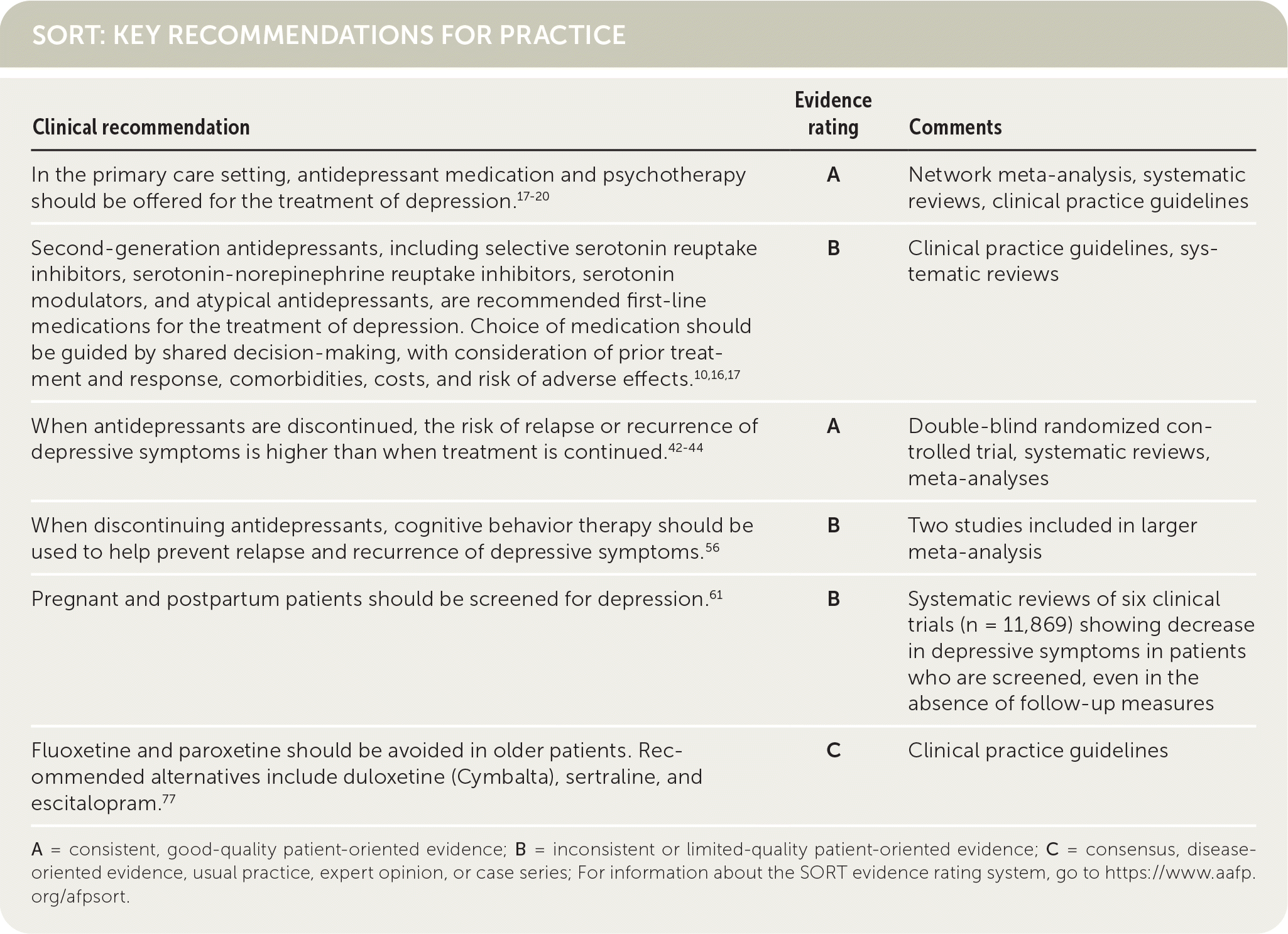
| In the primary care setting, antidepressant medication and psychotherapy should be offered for the treatment of depression.17–20 |
A |
Network meta-analysis, systematic reviews, clinical practice guidelines |
| Second-generation antidepressants, including selective serotonin reuptake inhibitors, serotonin-norepinephrine reuptake inhibitors, serotonin modulators, and atypical antidepressants, are recommended first-line medications for the treatment of depression. Choice of medication should be guided by shared decision-making, with consideration of prior treatment and response, comorbidities, costs, and risk of adverse effects.10,16,17 |
B |
Clinical practice guidelines, systematic reviews |
| When antidepressants are discontinued, the risk of relapse or recurrence of depressive symptoms is higher than when treatment is continued.42–44 |
A |
Double-blind randomized controlled trial, systematic reviews, meta-analyses |
| When discontinuing antidepressants, cognitive behavior therapy should be used to help prevent relapse and recurrence of depressive symptoms.56 |
B |
Two studies included in larger meta-analysis |
| Pregnant and postpartum patients should be screened for depression.61 |
B |
Systematic reviews of six clinical trials (n = 11,869) showing decrease in depressive symptoms in patients who are screened, even in the absence of follow-up measures |
| Fluoxetine and paroxetine should be avoided in older patients. Recommended alternatives include duloxetine (Cymbalta), sertraline, and escitalopram.77 |
C |
Clinical practice guidelines |