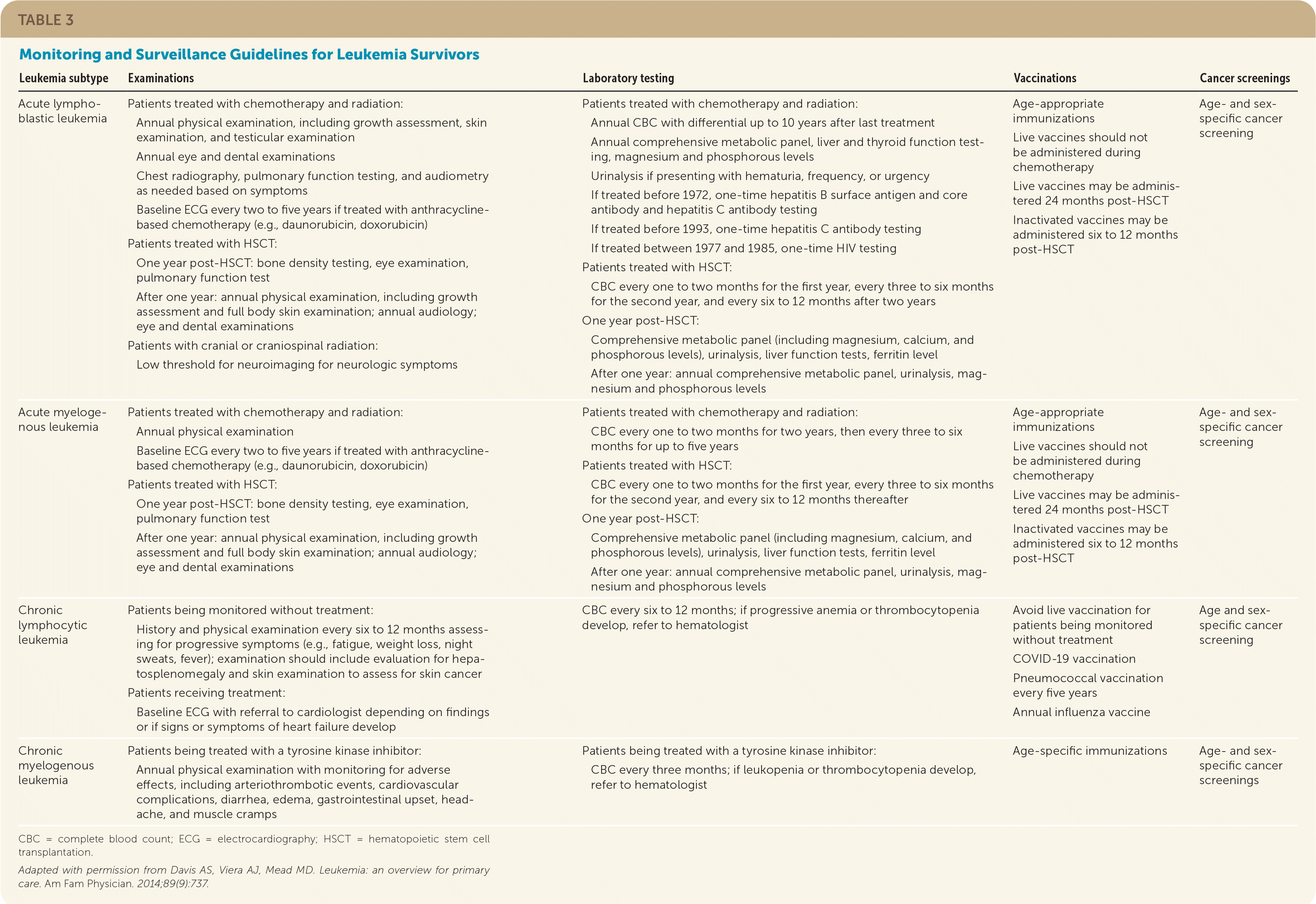
| Leukemia subtype | Examinations | Laboratory testing | Vaccinations | Cancer screenings |
|---|---|---|---|---|
| Acute lymphoblastic leukemia | Patients treated with chemotherapy and radiation: Annual physical examination, including growth assessment, skin examination, and testicular examination Annual eye and dental examinations Chest radiography, pulmonary function testing, and audiometry as needed based on symptoms Baseline ECG every two to five years if treated with anthracycline-based chemotherapy (e.g., daunorubicin, doxorubicin) Patients treated with HSCT: One year post-HSCT: bone density testing, eye examination, pulmonary function test After one year: annual physical examination, including growth assessment and full body skin examination; annual audiology; eye and dental examinations Patients with cranial or craniospinal radiation: Low threshold for neuroimaging for neurologic symptoms | Patients treated with chemotherapy and radiation: Annual CBC with differential up to 10 years after last treatment Annual comprehensive metabolic panel, liver and thyroid function testing, magnesium and phosphorous levels Urinalysis if presenting with hematuria, frequency, or urgency If treated before 1972, one-time hepatitis B surface antigen and core antibody and hepatitis C antibody testing If treated before 1993, one-time hepatitis C antibody testing If treated between 1977 and 1985, one-time HIV testing Patients treated with HSCT: CBC every one to two months for the first year, every three to six months for the second year, and every six to 12 months after two years One year post-HSCT: Comprehensive metabolic panel (including magnesium, calcium, and phosphorous levels), urinalysis, liver function tests, ferritin level After one year: annual comprehensive metabolic panel, urinalysis, magnesium and phosphorous levels | Age-appropriate immunizations Live vaccines should not be administered during chemotherapy Live vaccines may be administered 24 months post-HSCT Inactivated vaccines may be administered six to 12 months post-HSCT | Age- and sex-specific cancer screening |
| Acute myelogenous leukemia | Patients treated with chemotherapy and radiation: Annual physical examination Baseline ECG every two to five years if treated with anthracycline-based chemotherapy (e.g., daunorubicin, doxorubicin) Patients treated with HSCT: One year post-HSCT: bone density testing, eye examination, pulmonary function test After one year: annual physical examination, including growth assessment and full body skin examination; annual audiology; eye and dental examinations | Patients treated with chemotherapy and radiation: CBC every one to two months for two years, then every three to six months for up to five years Patients treated with HSCT: CBC every one to two months for the first year, every three to six months for the second year, and every six to 12 months thereafter One year post-HSCT: Comprehensive metabolic panel (including magnesium, calcium, and phosphorous levels), urinalysis, liver function tests, ferritin level After one year: annual comprehensive metabolic panel, urinalysis, magnesium and phosphorous levels | Age-appropriate immunizations Live vaccines should not be administered during chemotherapy Live vaccines may be administered 24 months post-HSCT Inactivated vaccines may be administered six to 12 months post-HSCT | Age- and sex-specific cancer screening |
| Chronic lymphocytic leukemia | Patients being monitored without treatment: History and physical examination every six to 12 months assessing for progressive symptoms (e.g., fatigue, weight loss, night sweats, fever); examination should include evaluation for hepatosplenomegaly and skin examination to assess for skin cancer Patients receiving treatment: Baseline ECG with referral to cardiologist depending on findings or if signs or symptoms of heart failure develop | CBC every six to 12 months; if progressive anemia or thrombocytopenia develop, refer to hematologist | Avoid live vaccination for patients being monitored without treatment COVID-19 vaccination Pneumococcal vaccination every five years Annual influenza vaccine | Age and sex-specific cancer screening |
| Chronic myelogenous leukemia | Patients being treated with a tyrosine kinase inhibitor: Annual physical examination with monitoring for adverse effects, including arteriothrombotic events, cardiovascular complications, diarrhea, edema, gastrointestinal upset, headache, and muscle cramps | Patients being treated with a tyrosine kinase inhibitor: CBC every three months; if leukopenia or thrombocytopenia develop, refer to hematologist | Age-specific immunizations | Age- and sex-specific cancer screenings |