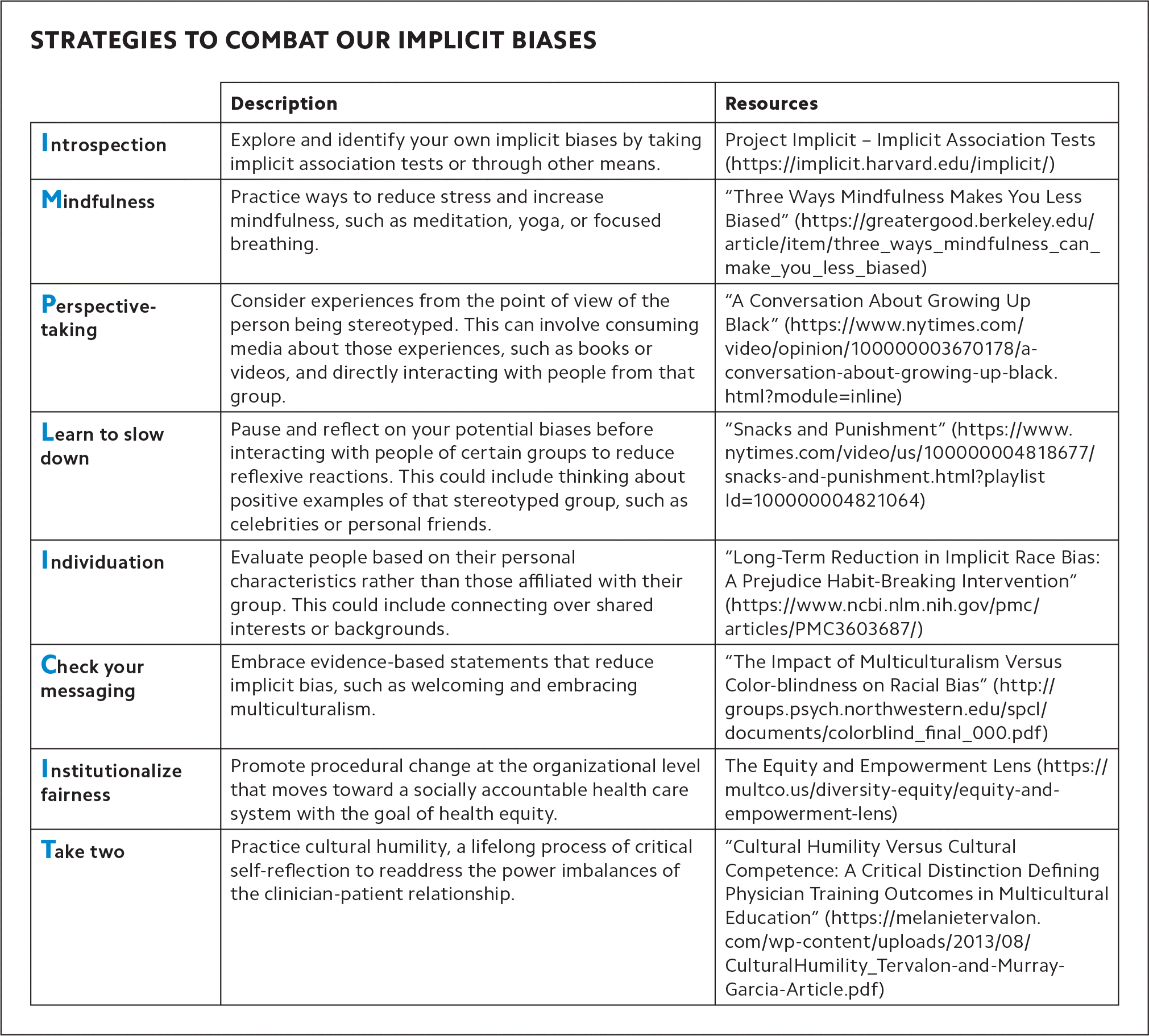
| Introspection | Explore and identify your own implicit biases by taking implicit association tests or through other means. | Project Implicit – Implicit Association Tests |
| Mindfulness | Practice ways to reduce stress and increase mindfulness, such as meditation, yoga, or focused breathing. | “Three Ways Mindfulness Makes You Less Biased” |
| Perspective-taking | Consider experiences from the point of view of the person being stereotyped. This can involve consuming media about those experiences, such as books or videos, and directly interacting with people from that group. | “A Conversation About Growing Up Black” |
| Learn to slow down | Pause and reflect on your potential biases before interacting with people of certain groups to reduce reflexive reactions. This could include thinking about positive examples of that stereotyped group, such as celebrities or personal friends. | “Snacks and Punishment” |
| Individuation | Evaluate people based on their personal characteristics rather than those affiliated with their group. This could include connecting over shared interests or backgrounds. | “Long-Term Reduction in Implicit Race Bias: A Prejudice Habit-Breaking Intervention” |
| Check your messaging | Embrace evidence-based statements that reduce implicit bias, such as welcoming and embracing multiculturalism. | “The Impact of Multiculturalism Versus Color-blindness on Racial Bias” |
| Institutionalize fairness | Promote procedural change at the organizational level that moves toward a socially accountable health care system with the goal of health equity. | The Equity and Empowerment Lens |
| Take two | Practice cultural humility, a lifelong process of critical self-reflection to readdress the power imbalances of the clinician-patient relationship. | “Cultural Humility Versus Cultural Competence: A Critical Distinction Defining Physician Training Outcomes in Multicultural Education” |