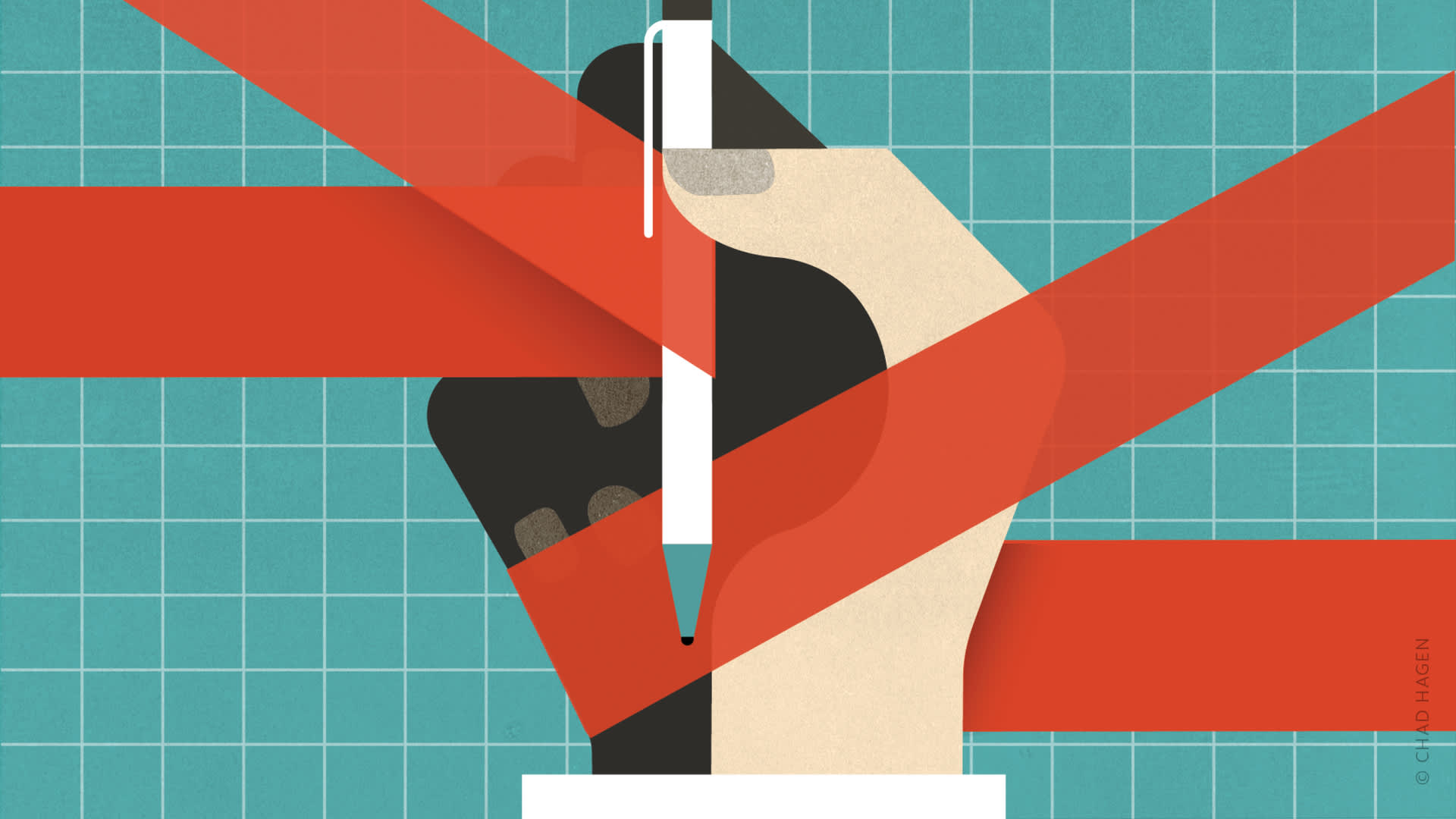

Understanding the patient experience, sometimes firsthand by being a patient, leads to greater empathy.
I like going to the dentist.
I can see how odd that seems, but I find it relaxing and feel a sense of self-care and accomplishment afterward. So, earlier today, rather than going to my office at 8 a.m., I went down the street to my dentist’s office for my six-month cleaning. This prompted me to reflect on what it feels like to be a patient, not just in my practice but in the broader health care system.
CARE DELIVERY VS. LOGISTICS
I sometimes get caught up in the world of my office and my practice, forgetting the rest of the health care system exists. To be clear, I’m not talking about the actual systems and care delivery that happens in other settings. My object permanence problem is more around logistics. It’s the stuff our patients deal with on a daily basis — other waiting rooms, other intake forms, other medical assistants, and even other doctors’ personalities.
Today’s trip to the dentist brought me back to that reality. It’s a good reality check, as empathy comes from recognition and understanding. When I refer a patient to a specialist, for example, I can better understand their resistance to going if I know these specifics: “I hate going there because the parking is bad!” or “Their waiting room is so cramped and small!” or “Dr. Smith’s dad jokes aren’t nearly as good as yours!” OK, so maybe not the last one, but you get the drift. Our patients can get health care system fatigue, and it’s generally not from the health care but from the system.
In fact, I had two patients today complain to me about their specialists, and neither had any concerns with the care delivered. They were both focused on logistics, namely the drive. Honestly, if I were an 88-year-old patient with lymphedema and inflammatory arthritis, I wouldn’t be too happy about driving 30 minutes to the “big city” and navigating the sprawling medical campus of World-Famous Healthcare, Inc. I ended up finding each of them a specialist closer to home.
I don’t mean to pick on specialists in these examples, but referrals are crucial moments for our patients so we need to pay attention to them. By the way, did you know the number of specialty physicians outmatches primary care physicians 52% to 48% — even more if you exclude obstetrics/gynecology from primary care?1 But I digress.
THE OTHER END OF THE STETHOSCOPE
Being a patient this morning reminded me of the 1991 movie The Doctor, starring William Hurt. If you haven’t seen it, I recommend it. It’s about a highly skilled and stereotypically egotistical surgeon who develops cancer. He struggles not only with his disease but more so the health care system. I won’t spoil it for you, but his experience as a patient finally gives him the clarity he needs to be better to his own patients and colleagues alike.
Of course it shouldn’t take a life-threatening illness for us to learn this. Empathy is a skill we can hone and improve, but sometimes the other end of the stethoscope is a good teacher.