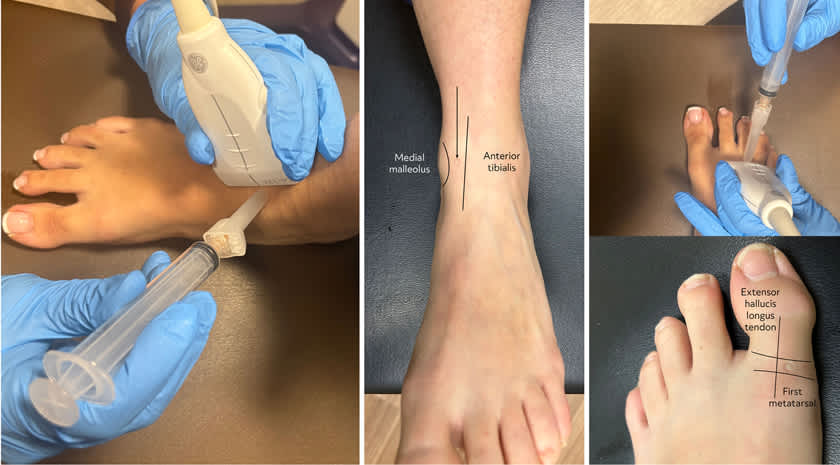
Read the full article
Get immediate access, anytime, anywhere.
Choose a single article, issue, or full-access subscription.
Earn up to 10 CME credits per issue.


American Family Physician. 2025;112(5):563-564.
Author disclosure: No relevant financial relationships.
Get immediate access, anytime, anywhere.
Choose a single article, issue, or full-access subscription.
Earn up to 10 CME credits per issue.
The editors of AFP welcome submissions for Photo Quiz. Guidelines for preparing and submitting a Photo Quiz manuscript can be found in the Authors' Guide at https://www.aafp.org/afp/photoquizinfo. To be considered for publication, submissions must meet these guidelines. Email submissions to afpphoto@aafp.org.
This series is coordinated by John E. Delzell Jr., MD, MSPH, associate medical editor.
A collection of Photo Quiz published in AFP is available at https://www.aafp.org/afp/photoquiz.
Copyright © 2026 by the American Academy of Family Physicians.
This content is owned by the AAFP. A person viewing it online may make one printout of the material and may use that printout only for his or her personal, non-commercial reference. This material may not otherwise be downloaded, copied, printed, stored, transmitted or reproduced in any medium, whether now known or later invented, except as authorized in writing by the AAFP. See permissions for copyright questions and/or permission requests.