Newborn respiratory distress is one of the most common reasons for neonatal intensive care admission at birth. If not diagnosed and managed appropriately, newborn respiratory distress can progress to cardiopulmonary collapse and death. Presenting symptoms of respiratory distress consist of increased work of breathing (eg, grunting, nasal flaring, cyanosis, retractions, respiratory rate greater than 60 breaths/min [tachypnea]). The most common cause of respiratory distress at term is transient tachypnea of the newborn. Other causes include respiratory distress syndrome, meconium aspiration syndrome, pneumonia, and sepsis. Less common causes are pneumothorax, congenital heart disease, and congenital diaphragmatic hernia. Physicians attending deliveries should be familiar with current neonatal resuscitation guidelines. If respiratory distress does not resolve after stabilization in the delivery room, chest radiography, supplemental oxygen, and appropriate laboratory tests (eg, complete blood cell count, blood cultures, C-reactive protein, blood gas measurement) should be considered. The Early-Onset Sepsis Calculator can help guide decision-making for neonates who may require antibiotic therapy.
Newborn respiratory distress is defined as increased work of breathing, including grunting, nasal flaring, cyanosis, retractions, and respiratory rate greater than 60 breaths/min. Up to 10% of neonates may require respiratory support immediately after delivery.1 Approximately 5% of term newborns require more advanced resuscitation beyond drying and stimulation.2
WHAT'S NEW ON THIS TOPIC
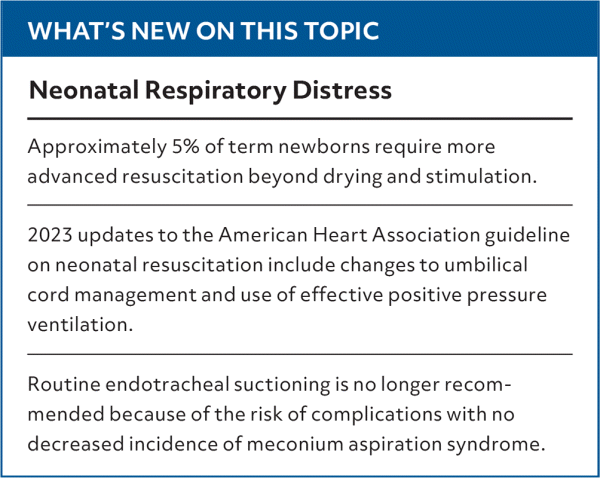
| Approximately 5% of term newborns require more advanced resuscitation beyond drying and stimulation. |
| 2023 updates to the American Heart Association guideline on neonatal resuscitation include changes to umbilical cord management and use of effective positive pressure ventilation. |
| Routine endotracheal suctioning is no longer recommended because of the risk of complications with no decreased incidence of meconium aspiration syndrome. |
SORT: KEY RECOMMENDATIONS FOR PRACTICE
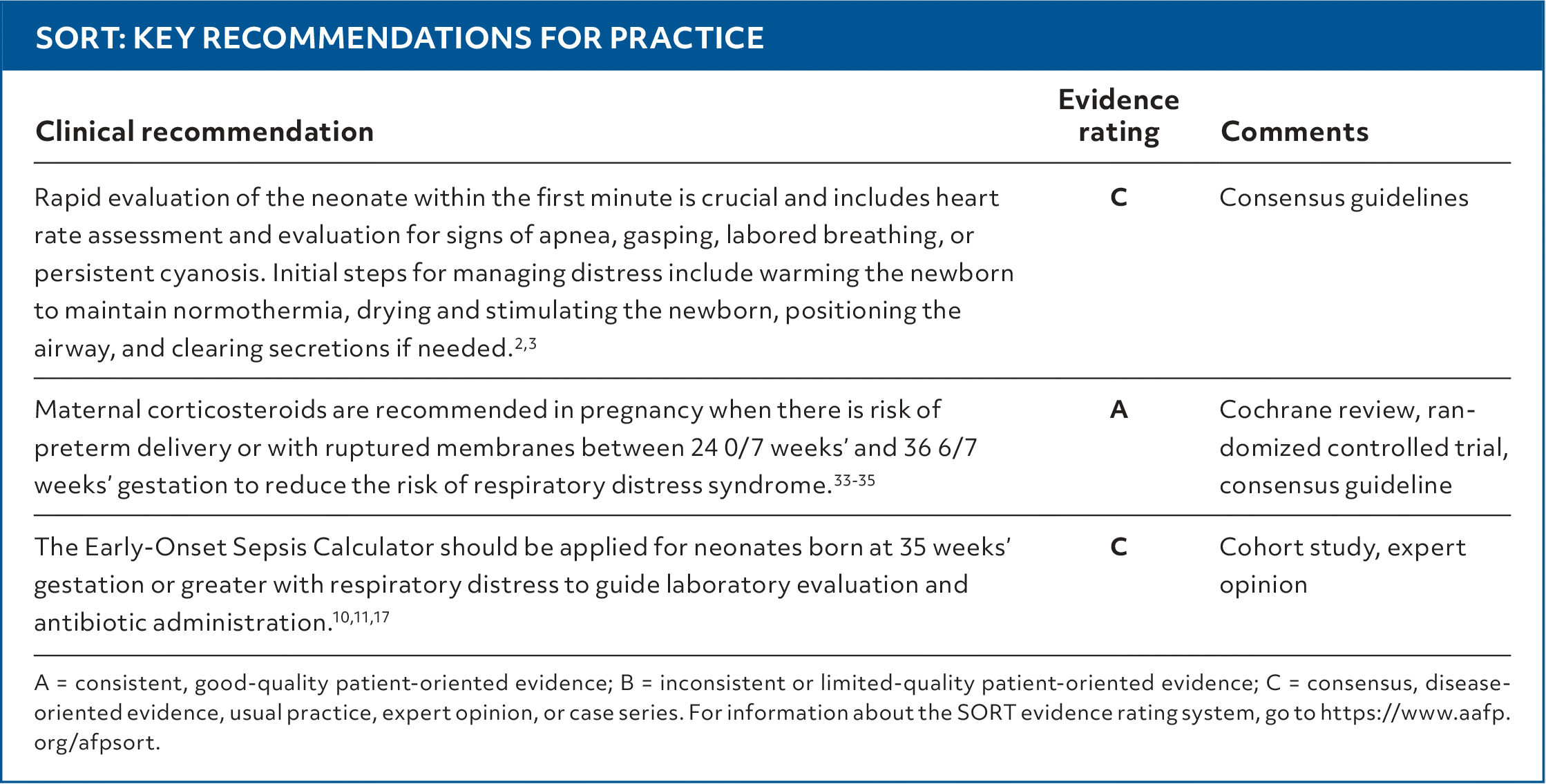
| Clinical recommendation | Evidence rating | Comments |
|---|---|---|
| Rapid evaluation of the neonate within the first minute is crucial and includes heart rate assessment and evaluation for signs of apnea, gasping, labored breathing, or persistent cyanosis. Initial steps for managing distress include warming the newborn to maintain normothermia, drying and stimulating the newborn, positioning the airway, and clearing secretions if needed.2,3 | C | Consensus guidelines |
| Maternal corticosteroids are recommended in pregnancy when there is risk of preterm delivery or with ruptured membranes between 24 0/7 weeks' and 36 6/7 weeks' gestation to reduce the risk of respiratory distress syndrome.33–35 | A | Cochrane review, randomized controlled trial, consensus guideline |
| The Early-Onset Sepsis Calculator should be applied for neonates born at 35 weeks' gestation or greater with respiratory distress to guide laboratory evaluation and antibiotic administration.10,11,17 | C | Cohort study, expert opinion |
A = consistent, good-quality patient-oriented evidence; B = inconsistent or limited-quality patient-oriented evidence; C = consensus, disease-oriented evidence, usual practice, expert opinion, or case series. For information about the SORT evidence rating system, go to https://www.aafp.org/afpsort.
Globally, respiratory distress is one of the most common reasons for neonatal intensive care unit admission at birth.1 If not diagnosed and managed appropriately, newborn respiratory distress can progress to cardiopulmonary collapse and death.
Read the full article
Get immediate access, anytime, anywhere.
Choose a single article, issue, or full-access subscription.
Earn up to 14 CME credits per issue.