
"We Matched, You Can, Too" 2025 webinar replay
Explore expert advice and personal stories from family medicine residents who recently navigated the Match process.
Part of the "We Matched, You Can, Too" webinar series, the AAFP has partnered with AAMC for this session hosted by Kristen Hood Watson, MD. The four panelists offer real-life insights on how they successfully matched into family medicine residencies.
With recent changes to the Match process—including signaling and geographic preferences—this is your chance to gain valuable guidance and boost your confidence as you navigate your own Match journey.
Bonus: We share essential resources like the Strolling Through the Match guidebook and details on FUTURE (formerly National Conference), happening July 30–August 1, 2026 in Kansas City.
Watch the webinar recording above or read the full transcript below to learn more.
The panelists
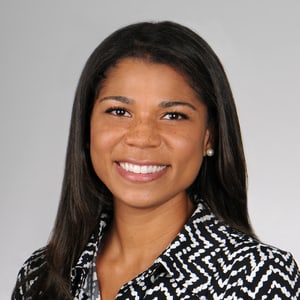
Kristen Hood Watson, MD (Host)
Associate Dean for Clinical Education
Medical University of South Carolina
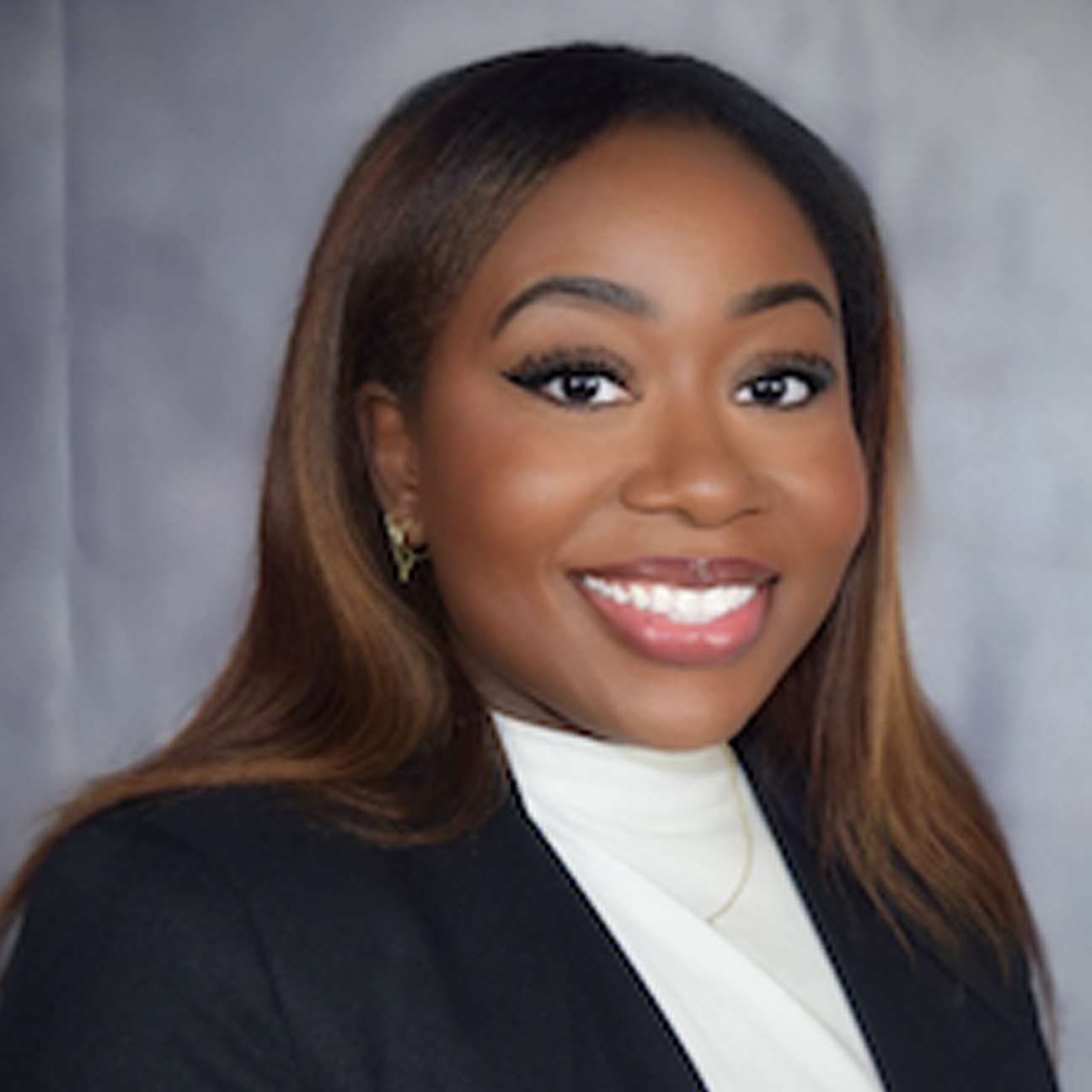
Darlene Bio, MD
Residency: Wright State University Boonshoft School of Medicine Family Medicine Residency Program
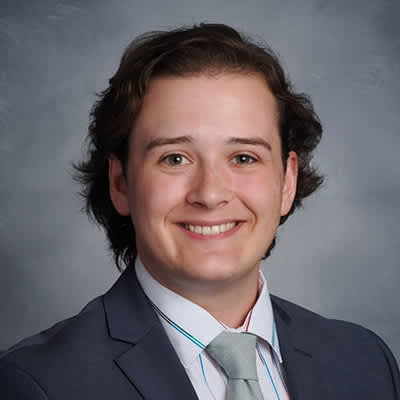
Austen Ott, MD
Residency: Contra Costa Regional Medical Center Family Medicine Program
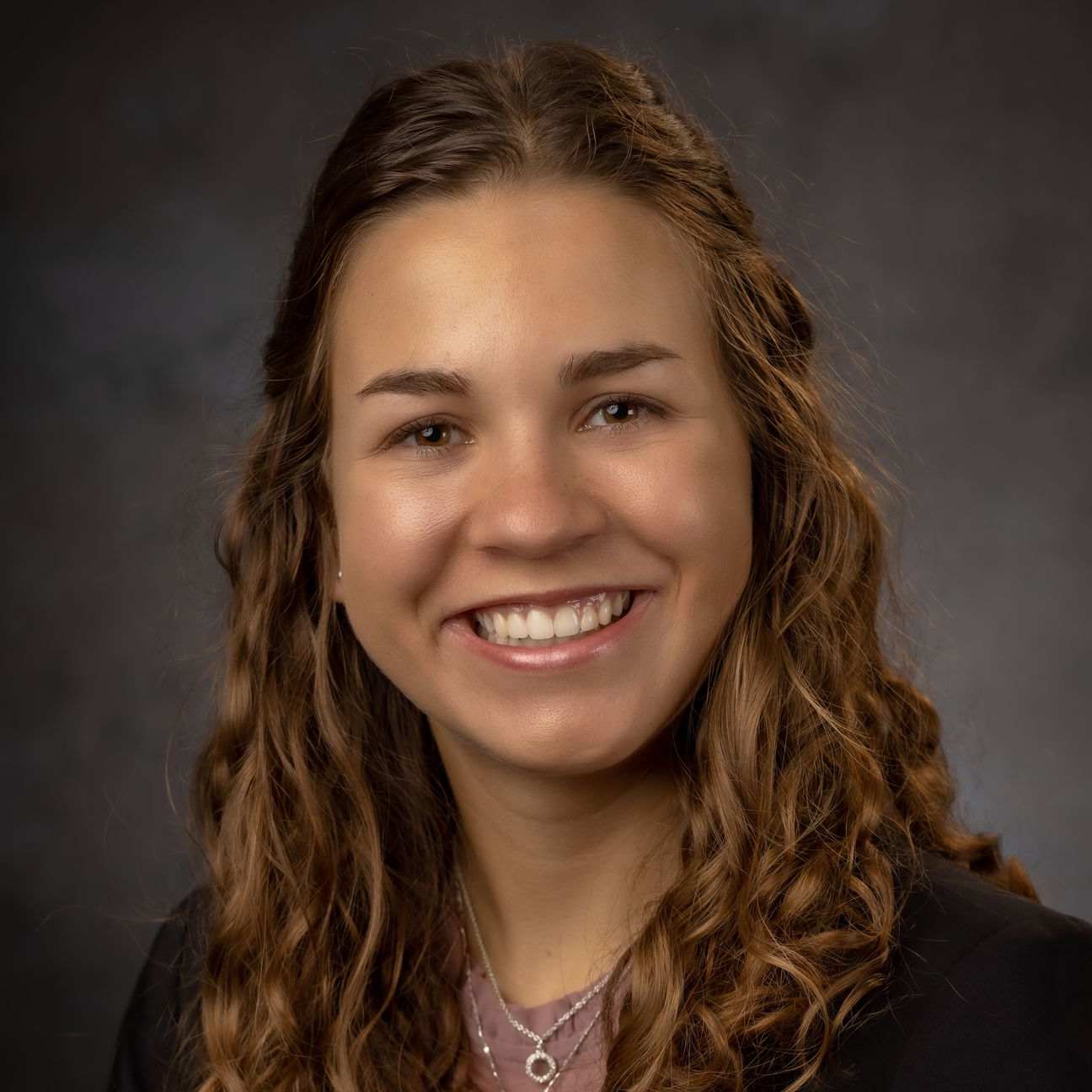
Hannah Wheeler, MD
Residency: Kootenai Health Family Medicine Residency Program
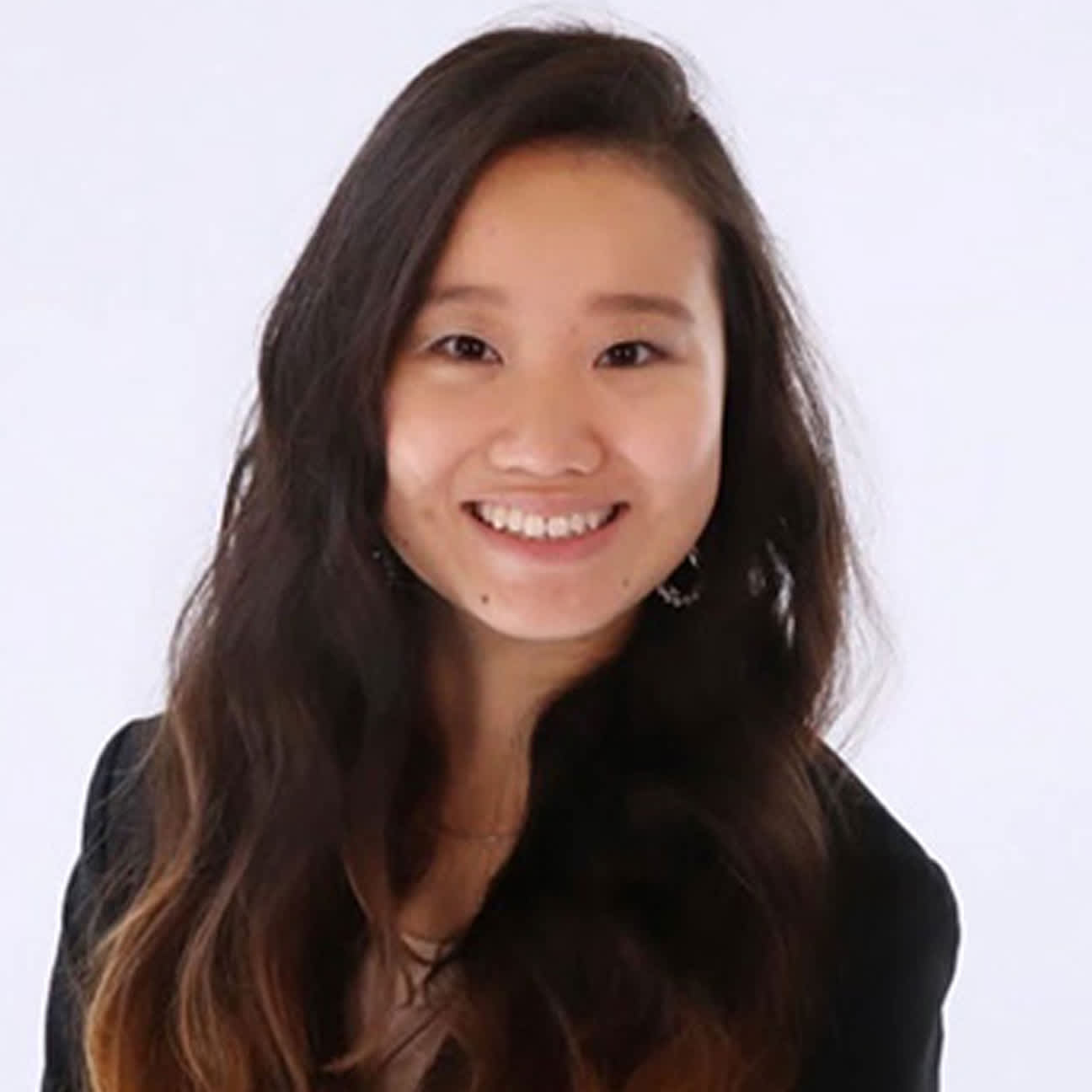
Colleen Yang, DO
Residency: Duke University Hospital Family Medicine Residency Program
Introduction
Kristen Hood Watson, MD:
Hi, everyone. Welcome to the American Academy of Family Physicians "We Matched, You Can, Too," a webinar where we will focus on family medicine Match stories. My name is Kristen Hood Watson. I'm an associate professor in the Department of Family Medicine and Associate Dean for Clinical Education at the Medical University of South Carolina. It is always an exciting time in family medicine, and even more so this year, as we had a record match with 4,574 people matching into family medicine residencies. As you know, there have been some changes to the Match in recent cycles, including signaling and geographic referencing. So, we will be sure to touch on those topics.
During this webinar, our speakers will share their stories, answer questions, and perhaps provide a bit of advice on their experience in the Match. Our guests today represent a range of backgrounds and experiences, so let's meet them. I want to start by congratulating them all on matching in family medicine. Let's have our presenters introduce themselves, and we will start with Darlene.
Introductions of panelists
Darlene Bio, MD:
Hi, good evening, everybody. My name is Darlene Bio, I am a current fourth-year medical student at Morehouse School of Medicine in Atlanta, Georgia, and I matched to Wright State University's family medicine program. I'm super excited. I chose family medicine primarily because I want to be able to work with the plethora of age ranges that we get to work with and just have that continuity of care, the opportunity to have continuity of care with my patients. I'd love to be able to know them from when they're little to when they are older. And, you know, despite wanting to do pediatrics initially, family medicine gives me that in addition to working with, you know the elderly folks who I also love working with and everybody in between. So, I'm super excited to start this journey at Wright State — or continue this journey, rather — at Wright State, and congratulations to all of my fellow panelists.
Colleen Yang, DO:
Hey, everyone. I'm Colleen. I'm a fourth-year medical student from Campbell University School of Osteopathic Medicine, and I matched into Duke University's Family Medicine program. I really prioritized being close to home and luckily was able to stay at home and prioritize interviewing places in North Carolina. I chose family medicine due to similar reasons like Darlene has already mentioned, but I especially love talking to patients and building those deep relationships and reaching a wide population and helping them also with preventative care. And it feels amazing to be like at the front lines in primary care and helping them get the care that they need, whether that's referring them to specialists or just continuing to see me as their family medicine practitioner. And yeah, I just love being able to have a wide breadth of knowledge and not feeling like I need to dive deep into one specialty and then forgetting the other stuff.
Kristen Hood Watson, MD:
That's wonderful. We're glad you were able to stay close to home. Hannah?
Hannah Wheeler, MD:
Good evening, everyone. My name's Hannah Wheeler. I'm in my last year of medical school at the Medical College of Wisconsin in Green Bay. That's an allopathic medical school. And I am going to be doing residency at Kootenai Health in Coeur d'Alene, Idaho. And I love family medicine for a lot of similar reasons. I love that you are able to see a lot of medical conditions and manage so many different things. You can work in the clinic, you can deliver babies, you can work in the hospital. There's just really so many options that are open. And with that, there's also such an ability to kind of find your niche within family medicine if there's something that you're really interested in to find further training in that and really kind of pursue your passions in that way. So, I'm really excited to continue along this path.
Kristen Hood Watson, MD:
Love that, and last but not least, Austen.
Austen Ott, MD:
Hi everyone, my name is Austen Ott. I am a fourth-year student at the University of Minnesota Medical School in Minneapolis. And I matched to the Contra Costa Regional Medical Center Family Medicine Residency in Martinez, California. I, like all of our panelists here tonight, am very excited about family medicine and could talk at length about many of the same things that these other wonderful folks have shared. But I think one of my specific interests that really drew me to family medicine is my passion for rural healthcare. I'm from a rural area and really want to give back to that type of a community in my career. And family medicine really lends itself naturally to being a physician for all people in all spaces. In rural areas especially, you really have this opportunity to do full scope care. I really love obstetrics, I love doing emergency care, and I love managing diabetes, the whole kind of gamut that family medicine allows. And so, I'm very excited to be taking this next step as a resident physician as we all kind of get ready to start the next chapter in our careers.
Kristen Hood Watson, MD:
Great, and we are excited for you. So again, thank you all for being here.
Overview of the agenda
Kristen Hood Watson, MD:
And before we dive in, let's go ahead and review our agenda. So, as you can see here, we will begin with an overview of the Match timeline and then target our four areas in the Match process, which are specialty choice and residency research, applying to programs, the interview process, and post-interview and ranking. And then we'll wrap everything up with a Q&A. And please feel free to send your questions in via the chat. And we really encourage that. We would love to learn more about how we can help you. So, next we'll move on to our timeline. Thank you.
Match timeline
Kristen Hood Watson, MD:
This is our general residency application timeline and the checklist from the AAFP's Strolling Through the Match, which is a free AAFP resource that provides step-by-step guidance to help students match into family medicine. I recommend this to all of my advisees. So, I really hope that you go ahead and locate this resource. As you can see, April is considered the start of Match season, a time to begin researching residencies and if you haven't already, finalizing your elective rotations for fourth year and then also connecting with your medical school on their Match timeline and preparation.
Applicants may begin working on their profile the first week of June, when registration opens for MyERAS, which is the Electronic Residency Application Service. I very strongly recommend that as another resource you attend FUTURE, which the AAFP's national conference for medical students and residents. And while we're really excited about the new name of FUTURE, you may hear some faculty refer to it just simply as "National Conference," so we want to make sure that you know those are the same thing. So FUTURE is definitely somewhere you want to be. This 3-day conference is centrally located in Kansas City and offers workshops focused on applying to family medicine residencies and allows you the opportunity to meet over 400 family medicine residency programs, as well as engage in many family medicine-focused sessions. So, the conference takes place this summer in late July/early August. There are also scholarship applications to attend the conference, and these are due by May 1. Please make sure to look into that.
And then thinking about the future, so into the fall. In September, you will need to register for the NRMP, which is the National Resident Matching Program, so that you can begin applying to residency programs. October will be the beginning of interview season, which will continue through January. So, it will be a busy time. And then finally in February, you will work on finalizing and submitting your rank list so that you can find out where you will match in March. So really exciting time, and it will fly by.
Now that we've reviewed the timeline, let's learn more about our panelists and start with the section on specialty choice and residency research. So, let's start with Austen, and then we'll move on to Hannah. Thanks, Austen.
Specialty choice and residency research
Austen Ott, MD:
Yeah, thank you, Dr. Hood Watson. To kind of chat about residency research, I think for me, it's important to kind of call back to what I just mentioned in my introduction, which is what brought me into family medicine in the first place. One of the wonderful things about family medicine is there are so many residency programs across the country. There really is a program for anyone with any interest, but at first for me that felt a little bit overwhelming. I didn't have any idea where to start looking through those 800 programs. And it was really helpful for me to think about what I'm looking for in my career, what I think I might want to do in family medicine. Specifically, as we've all mentioned, that really full-spectrum training. And for me, that meant having opportunities to engage in surgical obstetrics, practicing C-sections, to work with varied patient populations, different socioeconomic statuses, different immigration backgrounds. And then also to have really good training in acute care and emergency medicine. And so, there's a lot of strengths, or rather, every program has a lot of strengths, but they're not always the same strengths. And so, for me, finding a program that had those kinds of things in mind as some of their highlights was really helpful.
One of the things that was most helpful for me was the resources and connections I had at my medical school. There are numerous faculty everywhere who are willing to help you in family medicine and want to get you to your goals. And so, talking with your faculty mentors or other people that you know who have been through the process before about what your interests are can really give you a good idea because I had many people say to me, "Oh, have you heard of this program?" Or, "I had a friend who graduated from here, and they do what you want to do." And that was really something that opened a lot of doors for me in terms of finding programs. The other thing I really want to shout out is the FUTURE conference, the AAFP's conference for medical students and residents. I attended this a couple of different times, and it really was very helpful to be able to peruse residencies. There's an exhibit hall where there's faculty members and residents from the residences right there, right in front of you. You can ask them questions. They're grouped by different things. They have all these handouts. You get to learn so much. And so that was really something that I found very useful.
Kristen Hood Watson, MD:
Thank you so much. And then next we will turn it over to Hannah.
Hannah Wheeler, MD:
Yeah, I will echo a lot of those same things. And first speaking about the National Conference, now called FUTURE, I was able to attend the last two years and honestly can say that going to the conference was both some of my most fun memories from medical school as well as one of the best educational, as well as looking into resources for where I wanted to apply to residency. It was so beneficial as far as that was concerned. The first year that I went there, I really enjoyed the breakout sessions, the different procedural workshops, and then it was still a couple years out from applying to residency but starting to kind of walk through that exhibition hall and see what different training was offered at different residencies. And then this last year, obviously kind of going into the application season, definitely focused on that a lot more. And it's just so helpful because you walk down a row, and you're easily able to talk to so many different residencies just right there. Have your questions answered because as family medicine is so wide and broad there's so many opportunities. You have to really see which programs are training in the things that you're interested in. In applying to residency, typically people start with a location that they're interested in and then secondly look for what type of training they're interested in.
A few resources that I used in kind of narrowing that down from the almost 800 programs was the AAFP conference, of course. And then I also liked using resources such as a website called MedMap.IO. And that was helpful because it just showed a map of the United States, and you put in your specialty and it showed little pins where all the programs were. So, if I was interested in a certain region, it showed all the programs, and then I could go to their websites from there and do more research on the things that they focused on in their training. Another resource is the Texas Star website that has helpful information about each of the residencies as well. More detailed resources as far as different stats for different applicants and things like that. That was also helpful.
Then after that, after I'd narrowed down a group of residencies I was interested in, I really liked using the AAFP residency app because it shows all the different residencies, and then it has helpful tools for kind of assigning a numerical number to each kind of component of the residency such as certain training like obstetric care or the culture of the program, the area. And you can go through each part of that for each residency and kind of assign a number like from your assessment, like is this a 10 out of 10 super strong here or is this more maybe more like a three (not quite as strong) and that was helpful working through all the different components of that, so that by the end of it, I had a number, not that it was exactly perfect — it was kind of subjective to me — but it was it more helpful to see, "Is this program a good fit, or is this maybe not as close to something I'm looking for?" And so, kind of getting a little bit better of an idea in that way was really helpful along the way for me.
Kristen Hood Watson, MD:
Thank you both. I love hearing this idea that Austen shared of there being a program for everyone. I think that it's true. And then Hannah, really great just to think about how to funnel, so starting with the geographic region and then narrowing down based on your interests. And the recurring theme was definitely attending FUTURE. And as someone who attended many years ago, I will say that it was very helpful in selecting programs to apply to. But let's move on and talk about the application process, and we will start with Darlene. Thanks so much, Darlene, for sharing with us your application strategy.
Darlene Bio, MD:
Sure thing. I think I'll be the third person to speak about FUTURE and how that definitely helps because there are a lot of different sessions, and some of the sessions do speak on the application process. Being the first person in my family to go through the medical school process, it can seem daunting. And so, the first thing I'll say even before I get deeper into it is definitely reach out for help. But the FUTURE conference has a lot of resources there that will help guide you through the process and mention some of the things I'm going to talk about.
So, my application process, so we were shown the timeline at the very beginning, and yes, that's a very good timeline to follow, but of course, we all know with our schedules, sometimes things will look a bit different. But I started my application before the main portal opened. I just made sure that I had my letters of recommendation confirmed (the people who were going to write for me). And prior to that, during the summer, my school allowed us to make sure we had our personal statements and everything written. Those are the background details in terms of our applications.
When the actual ERAS application opened, and it was time to enter everything in, I did choose to use signals. The signals that I use, you guys will notice when you log in that not every program allows signals, so that also might influence where you are allowed to signal what programs might see that you're interested in them versus not if they don't use signaling. But I used all of the five signals I was given, and all the programs that I signaled did respond. And then in addition to that, I did utilize the geographic preference addition that now exists in MyERAS. And that was very helpful. So, I used that and the explanation that you would give based on your geographic preference. I realized in my interviews that folks read it — they actually did read why I would want to come to this particular area — and so I definitely made sure I utilized that. When it comes to, let's say, for example, away rotations. I did do an away rotation. And in as much as that didn't necessarily sway my list too heavily, it allowed me to know I would be comfortable venturing out of Georgia, should that happen. Away rotations are super helpful if you want to get connected to programs, but it also will help give you a bit of comfort to say, "Okay, if I do leave my hometown, would I be comfortable? Would I be okay for the three years of family medicine that I'm venturing out to do that?"
And now for my non-negotiables in the whole application process. Some things that I would have wanted to see were programs that prioritize — I know we hear this thing — resident wellness but it's super important. It was super important to me to see that programs actually thought of it and didn't roll their eyes when I would mention something like that, or at least their website would specifically say that.
Another thing in the application process is making sure you look at each of these program’s websites and what do they say about their programs? What do they say about how they look after their residents in terms of benefits? All of those things, and all of those things really helped in terms of where I signaled, in terms where I decided was a graphic preference, all of those things went in with the application process. Even down to residents, I mean, we speak of making sure that we're in an environment that is accepting of us, whichever backgrounds we come from, looking on the websites for residencies and seeing, do residents who have passed through this program, have they looked like me over the last couple of years, current or in the past? All of those things went in and influenced how I apply to programs and my application strategy.
Kristen Hood Watson, MD:
Thank you so much, Darlene. That was great feedback.
Application process
Kristen Hood Watson, MD:
And now Colleen, can you share with us your approach to the application process?
Colleen Yang, DO:
Yes. I heavily relied on my family medicine mentor from my medical school. I asked him how many programs I should apply to. And this is typically dependent on a person-to-person basis. I personally applied to 16. Originally, I was going to do 10, but then, because I got my board score right around the time — I took my board exam pretty late in the process — probably beginning of September. So, when I got my score back, I thought, "Oh, I should probably apply to more." So, it ended up being 16. And then I interviewed at and ranked at 11 places, but it was 9 different locations because some of them have different campuses or branches. And I did an away rotation at two of those programs. And I did signal top five programs that were close by to home and that I could actually picture myself living in that location.
And doing AIs helped me figure out too, like the ranking process, because then I got to feel how the culture is and got to understand better what my priorities were, such as does the rigor matter more? Or does the culture matter more? And there were a lot of things that I didn't know about prior to doing the AIs, specifically because of my own experience, I wasn't around residents. So, I didn't know what table versus walking rounds were like, for example, or how didactics went. Just being able to experience their camaraderie and their culture and seeing if they hung out outside of work was nice. And then even seeing if they had an open ICU or not. Or how their parking or free food was and if they had a pharmacy team working with them and how their night shifts are. So, I think doing AI was really helpful for me to just gain insight into what residency is like but also at my top program and helping me differentiate what matters to me more.
As far as what are any non-negotiables or red flags I had, I didn't really experience any red flags. I think all the residents I talked to spoke so highly and positive about their program, and I really just went off of my gut feeling of how the interviews went, how I felt speaking with the faculty or the residents there and if they were nice and kind and seeing how we got along — that was important to me.
And one personal experience I had was because I did have a lower board score on a residency explorer tool, there was something that had said, "Will not consider interviewing if you don't reach this minimum." And so, I had reached out to the program that I was doing an away rotation at asking if I should even still apply because I got discouraged that I might be just screened out automatically for an interview. But luckily, she said, "No, you should still apply. We still look at your application holistically." And I'm so glad I did, because I did end up getting an interview there. So, I just want to encourage people not to discount yourself and still apply even though you may think that your score may not be high enough or a certain aspect of your application isn't good enough.
Kristen Hood Watson, MD:
Thank you, guys, I mean, for just being really honest and transparent about your individual experiences. And I think what both of you are saying about the culture and the environment, of course, is so important. And really, I want to, for anyone listening to this webinar, to really think about what that means to you. And these are people you're going to be working with for three years and a lot of hours. So, thank you both for highlighting the importance of culture as you're thinking about applications. And we are next going to touch on the interview process and what that was like for our recent matchees. And Colleen, we're actually going to go back to you. And so, can you tell us how you prepared for your interviews?
Colleen Yang, DO:
Sure. So, I definitely think looking at each program's website and learning about it, specifically actually right before the interview helps because then it's very fresh in my memory and then I don't confuse it with other programs. And then I also researched each interviewer's bio to come up with personalized questions I could ask them based off of either their role or just maybe something that I can relate to based off their bio. For example, I learned it's probably not a good question to ask associate program directors or program directors how the culture is for the residents because they're not a resident, they're more in the administrative role. So, it’s probably better to save that question to ask the residents who can better speak to how the program is. And then I also really value FUTURE and being able to ask these programs and residents (at conferences in general) how they feel about it, and I would take notes. And even after the interviews, I would take notes.
If I could do something differently, I wish I did keep an Excel sheet of all my notes compiled together because I had them on all separate papers, and then I'd lose them, or they'd get mixed in with other stuff. So, I wish they were on one platform for me to compare side by side. And then the Strolling Through the Match handbook was very helpful, too, because it has a list of interview questions to ask, and I would choose the ones that I thought were most relevant or ones that I really wanted to ask. My interviews — I had 9 total. 7 of the 9 were virtual; 2 were in person. I didn't have to worry about budgeting so much with the in-person interviews because luckily the programs did cover like hotel and food expenses. And then I think the most difficult questions I was asked were behavioral or situational questions, like "Name a time when you had this or had a patient do this." And because you go through so many rotations and experiences, it's really hard for me to come up with a specific patient experience if it wasn't super memorable. So, another thing I wish if I could do differently is I should have had a diary during rotations and jot down significant patient care experiences or moments so that I could recall them during the interview. But I did compose a Word document of interview questions that I may get asked, and then I tried answering them and coming up with examples and experiences and also using my CV to help me recall those experiences.
And then for me, I spaced my interviews about once a week. I put a lot of energy into each interview, and I think I'm more naturally introverted. I do like socializing, too, but it takes a lot of my energy. So, I wanted to have some time to re-energize and also not confuse programs if they were too close together. But also, my school has limited absences. So, I did have to take into account if I did cram them all in a month, I could only do so much. Unless it was an online rotation so you could do an independent study elective and just cram them all together and not have to worry about absences. So, I think your school's absences or limitations can also affect how you pace your interviews. And then I also was able to do a mock interview with my school, which helped. And I always sent thank-you notes pretty soon — the day of or the day after — my interviews.
And one personal experience I want to note is that my number one program that I did match into was actually one of my last interviews. I got notified for that interview pretty late in the process. I think it was their actual last interview date that I got invited to. And so, I felt so lucky to still have that opportunity, but I encourage you not to give up hope if you think a program's not interested in you anymore, because who knows what may happen. And then, also going to conferences helped because I got to see the program, and it was around the same time I got that interview invitation. So, I think connections do help, and reaching out to them and seeing them at conferences is such a special opportunity to connect with them. I tried to keep my nerves calm and try to just enjoy getting to know the interviewer. And I think it is much more enjoyable interviewing when you treat it more like a casual, normal conversation and less like a really formal interview, like you're trying to impress someone. And then throughout the interview process I just kept a rank list of if I really enjoyed an interview, I would move them up on the rank list or move them down if I felt differently. So that way it was always updated in my head.
Kristen Hood Watson, MD:
Well, it sounds like you were very well prepared, Colleen. So, thank you for sharing that. And next, I'd like to ask Hannah how you approached the interview process.
Interview process
Hannah Wheeler, MD:
Yeah, that's some really great advice. And I'd really second a lot of those things. I will say one thing going into the residency application that was really helpful in the long run was I made an email specific for the application season because the interview invitations, they kind of come fast and furious. They email them all to you, and you get a bunch in a row, and then you schedule them. I think all of them I scheduled through this app called Thalamus. So, they email you, and then you schedule from there. But as far as getting a date that you like and that works best for you, it's really helpful if you are able to, once you get that email, just go and schedule it from there. Having an email that was just dedicated to the residency application process that I could keep it all organized there was a small thing, but it was very helpful for staying organized.
Personally, I applied to 25 programs. I ended up doing 18 interviews. I had some more, but kind of towards the end kind of realized I'd had the number of interviews that I had really liked and ended up going with that. I ended up doing 12 of them virtually and six in person. The ones that were in person were in a geographic area I was pretty highly interested in, and I would say if there is an area like that that you do have an interest in, I would say that doing an in-person interview would be beneficial. It was helpful to spend a little bit more time with the residents and the faculty and the program director. Whether it's with the dinner the night before, or after the interview, a lot of times they did a tour of the town or an in-person tour of the hospital and clinic. And that was just really helpful to see how they all interacted with each other, if it seemed like they were really happy there, seeing what the facilities were like, and so I'd say that was something that was worthwhile.
But I also really like the virtual format, too. Obviously, it is a lot more flexible, so that you can kind of schedule that in a little bit easier. It's also helpful from a financial standpoint, certainly, and just offers more flexibility to be able to talk to more programs that you might be interested in. And I think it was really helpful throughout the interview cycle to just continually remind yourself that, yes, they are interviewing you, but you're also interviewing them. This is where you're going to be. And this is an equal process where you're matching your ranking and their ranking. And so, I think that was helpful, too, and reminding myself of that took a little bit of the pressure off. Similarly, the night before, I'd look up the website again, after, of course, having done that before, and then in a notebook, I would write probably 8–10 questions going into the interview. At the start of the season, I started with four, and then as things went on it was more like 8–10 — just some common things. The common theme questions of things that were valuable to me and then certainly also program-specific questions, and that was really helpful to have prepared for the interview.
Kristen Hood Watson, MD:
As one quick question for you, Hannah, did you receive any challenging questions that you recall?
Hannah Wheeler, MD:
Yeah, I think typically as you go through the process, especially the first couple interviews, even if you've done several mock interviews and things like that, I think there's always going to be one that maybe comes out of nowhere that you have to think more on your feet. And that's why it's helpful — I totally agree with Colleen — keeping track of different experiences you have along the way. I think some of the ones that were more challenging was talking about a time that you received feedback for maybe a mistake or something that you had done and how you responded to that. Or certain patient situations — like challenging patient interactions — or "Tell me about a time that a patient really impacted you, or you went above and beyond for a patient." A lot of times they ask similar questions, but they might take something from a different angle than maybe you've heard before. So sometimes, just taking a second to kind of think through it. You don't have to respond right away. Take a deep breath, and then kind of think back through your experiences. And even if it's a story that you've answered a different question about before, you can, oftentimes, with the new angle that they may have with the question, think about how that specific experience impacted you and relate it more to the specific question they may have.
Kristen Hood Watson, MD:
Great, thank you. And thanks again for that great tip on using a separate email address. That's a really great idea.
Post-interview and ranking process
Kristen Hood Watson, MD:
Our final section that we want to discuss tonight is the post-interview and ranking portion of the Match timeline. We will start with Darlene. And Darlene, if you could tell us, how did you determine your rank list?
Darlene Bio, MD:
Of course, and yeah, this is the fun part, right? So, you've gotten through the interviews, you've gotten through the stress, and hopefully this part won’t be as stressful, especially if you go through the excellent tips that my fellow panelists have mentioned. But what helped me determine my list — I will mention first and foremost and come back to this — that I had an Excel spreadsheet that I put all of the programs into. And I'm definitely open to sharing that because it has like a little algorithm thing. So, you enter what your priorities are (and I'll also speak about that) and it would assign particular numbers to it. And so how you would rate the school would, or the program rather, would assign a particular number and that would automatically rank the programs for you. But I'll come back to that.
The programs that I felt the most seen during the interview process, supported in advance, that I aligned with their culture and just the general mission of the program, those ranked more highly on my list. And even something that might seem as simple as how the residents interacted with each other. It was super important. Whether that be the day before where you get to meet the resident — like the “meet the residents” events — or however in advance the programs do that. All of that went into influencing my rank list because I want to know how the people that I would interact with interact with each other. And then after each interview, of course I'd follow up with thank-you emails to the programs that I genuinely was grateful for the experience before, during and after the interview.
And so, my priorities when ranking, which goes back to the Excel sheet, so I definitely prioritized, as I had mentioned, the general culture of the program, how supportive faculty seem — and not just by observation — I would literally ask residents how supported they felt by faculty. If you get reviews by faculty every now and then, how rigid is that or how enforced is that? And so, I really want to make sure I'm in a program whereby I'm getting feedback along the way and not just a random surprise, hey, you need to improve in this. Definitely the programs that are primary-care centered, so family medicine is really high up there in the institution, and they have definitely a commitment to inclusivity and equity and everything like that.
I also prioritized programs that involved their residents in, like I mentioned, wellness events. And because I know a lot of family medicine programs are shifting away from general surgery, the programs that either had less months or time on surgery, for me personally, and the program I'm in actually does plastic surgery, and so that really interested me rather than doing gen. surg. And so, all those factors, whether it be benefits, because not every program has benefits that look like the other programs. I mean, a lot of people are concerned about pay, and that's super important, depending on what geographic location you live in, but all of those things were priorities in addition to other things that went into my list.
And so, all of these things were involved in this spreadsheet that I had and entering those things in before and after the interviews and then general culture things that I could gauge by second looks or during the interview itself all went into that spreadsheet. So, at the end of the day, I actually did have a rank list formulated that took all of those factors into consideration, and then I reviewed that rank list with my family, with my family medicine mentor. We spoke through it, and all those things came together to create a cohesive rank list that I was comfortable with submitting.
Kristen Hood Watson, MD:
I'm very impressed by this. It sounds like you were, again, very well-prepared. And Austen, I would love to hear how you finalized your rank list.
Austen Ott, MD:
I love hearing everyone's different approaches and things that have been similar to what I experienced and also things that were different. I also took many notes throughout the interview season, but they were handwritten on a notebook in pieces of paper, and so I think I spent every day between my last interview and when our rank lists were due flipping back and forth between the pages in my notebook since I couldn't "control+F" anything.
But for me, one of the main things that led me to the programs that I applied to, and then similarly helped me rank my programs, was my priorities in training. I don't have too many ties to any specific region. The regions that I did end up signaling, I had strong ties to, but within them, I didn't feel the need to go to one place versus another, and I also happened to have a long-term partner of 10 years who's very open to moving wherever it was that we were both excited to go. And so together, we worked on coming up with our rank list, and I feel very grateful that it was something that we got to do together, but also, I was able to prioritize training as one of those things that was kind of higher on my list. So, things like, did I have the opportunities for procedures? Did I have patient populations I was interested in working with at these various programs? And my notes helped me a lot, but also just notes about the program specifically helped me lot, but also notes on just a vibe check, like how was I feeling, as other folks have said, how was I feeling during this interview? Did I feel like I was getting along with the people that I was talking with? Did I like the faculty members that I was speaking with; were they doing things that were interesting to me? Was I having a good conversation, or did this feel very stilted and very, "We just got to push through this to get to the next interview?" And that ended up being really a big deal for me. There was a program that I did an in-person interview for that checked a lot of my boxes, but something about the vibe just was a little bit off. And I ended up using that information in my rank list and didn't rank it as highly as I initially thought I would because of all of those things on paper that I saw.
And in thinking about the other resources, the resources of our communities when we're making our rank list, I had the support of my partner, and then I also had other friends in medical school and in different stages of their medical careers who I consulted. It was really helpful for me to chat about my rank list with friends that I had in med school also going through the process, specifically who were not applying to family medicine. I think that for me, it was really helpful to be able to share my perspective with someone else going through process, but maybe who was in pediatrics or in IM. And so, there wasn't as much overlap. We didn't feel like we were competing, but we could still share things and bounce ideas off of each other, and we know each other really well. So that was helpful.
And then when it came to matters of the program and training opportunities, I found my medical school mentors and community physician mentors to be especially helpful. I think that leaning on the people who have helped you get here, they know you really well. They are the ones who, if you have questions, are there to help you out. And so that was helpful for me.
And then the last thing I'll say is on the topic of questions, I did reach out to programs as I was going through the post-interview process. I think it's inevitable probably for all of us that we finish our interview and then either that day or six weeks later, or depending on when you did your interview, even months later, you're just thinking, "Oh, I really wish I had that resident on the phone with me and I could just chat right now about this one specific thing or about their experience."
Lots of residents did give out their phone numbers and their email addresses, and faculty members did as well through my interview experiences, and I kept those. I think those are really important to keep because it was the week before rank lists were due, and I kept going back and forth between this program versus that program and whether I could remember this about the program. And I said, "Actually, I have a resident's phone number. If they gave it to me, I imagine they want me to text them if I have questions." And I did, and the resident was wonderfully helpful. She and I had a phone call, and I'm not sure that every resident will do this, but if they give you their information, it's for a reason. They want to help you because they've been through this process as well. So don't be afraid if you have a question about how someone feels supported in the program or what the opportunities are, even what the call schedule looks like. Sending out that email, shooting a text — all of those things I think are very reasonable because this is a big decision.
Getting input from the people that you feel are the right people to give input, I think is really appropriate and actually a good thing to do. I found it very helpful for myself when I was coming down to those moments and weighing the pros and cons of various things to get input from the people who are currently living those lives as residents of those programs.
Kristen Hood Watson, MD:
So it sounds like definitely you utilized all of your resources and in different ways, too, like for different parts of the rank list. And so that's wonderful.
Question and answer session
Kristen Hood Watson, MD:
So, we have all of our panelists, and we are really excited to move on to the question-and-answer portion. We have lots of great questions. We're going to try to get through as many as possible. And what my plan is, is to throw out a question and just have one of our panelists answer just so we can try to get through them. So, let's start with, "What advice would you have for someone who is struggling to start their personal statement?" Does anyone feel connected to that question at all?
Hannah Wheeler, MD:
I can speak to that one.
Kristen Hood Watson, MD:
All right, Hannah.
Hannah Wheeler, MD:
I think just getting words on paper is just the biggest barrier, but just starting with something for me. I knew that my first probably five drafts would be so cringy, and so just getting it out on paper and then kind of doing a lot of tweaking from there. Thinking about your experiences throughout medical school that have led you to want to pursue family medicine, whether there's a specific moment, or on rotation, a patient experience, that was very powerful. And then talking about your characteristics and your experiences and why you would be a great fit for a family medicine residency and then your career in the future, because obviously there's so much beyond residency in your future practice. My advice would just be: Start putting words on the paper, know that it's going to be a process, and it's probably going to be cringy to start. But just thinking through those patient stories and things that you've experienced to start to try and tailor and develop that, and then yeah, you'll be on your way.
Kristen Hood Watson, MD:
That is the exact advice I give is just to get the words on the paper and then go from there. So, I think that's a wonderful process. And it does go back to, I'm not sure if maybe Colleen, you said this earlier, but I wish I would have kept a diary of what happened during third year. And I do tell my advisees that if something big happens, write it down, because then you can expand on it later. Maybe you don't have time right now, but later you can think about that and how you might want to incorporate it. When you're thinking about your personal statement, exactly like Hannah said. So, one, it is, who are you? Who are you as a person? And then, what are you bringing to the program? Which I call a humble brag. So, and everyone gets a little like, "Oh, what do I say about myself?" But you have to do it. And so, you can do that through patient stories. This was this encounter I had, and the patient asked for me as a student to come and talk to them — things like that. But yeah, just get the words on the paper is my first point of advice. And try not to put it off too long, try not to wait till July or August to start thinking about that. Another question is about second looks. Did any of you go to a second look or maybe multiple second looks? And do you feel like that was beneficial for you?
Darlene Bio, MD:
I think I can respond to that one. The difference was you feel like more of a number among many. And so, when you get the opportunity to be in an environment where you're like, "Okay, I can feel like I can do three years here," it makes a difference. I'm not sure you can fully get that in the 20–30 minutes. So, they were definitely monumental in choosing my final list.
Kristen Hood Watson, MD:
Okay, that's good to know. So, the second look did help. And let's talk a little bit about selecting elective rotations. Is there any advice we could offer to students who are planning electives, whether I guess in third or fourth year, as far as getting you ready for residency or choosing family medicine as a specialty. Austen or Colleen, any thoughts on that one? Colleen, okay.
Colleen Yang, DO:
Sure, I can talk about that. My electives were mainly my AIs trying to get better in family medicine and also getting prepared for NC and understanding programs. And then outside of the two AIs, I felt like two was enough, so I don't think you need to do too many. And then I tried to explore other specialties for the other rotations because I got advice from a year above me: You don't have to always do family medicine for all your electives. It's good to experience other specialties, and I did urology and GI, and I found it was really interesting. And at first, I thought, "Urology...I don't imagine that being fun." But it ended up being one of my most favorite rotations, most favorite preceptor — so sweet and nice. And it was my last rotation of fourth year. And so, I think you can surprise yourself by choosing specialties or electives that you couldn't imagine yourself going into, but also just learning those specific aspects. And family medicine is so broad. I'm sure I'm going to see patients who have urinary issues. So, I do think it is important to go outside of your box.
Kristen Hood Watson, MD:
I love that. I'm going to ask one last question, and this is going to be to Austen. So, one of the questions that came up was, how did you go about picking which residency programs to talk to at FUTURE?
Austen Ott, MD:
Yes, that is such a fun question to answer because I also got the opportunity to go to FUTURE a couple of different years. The very first year, honestly, if you're not about to apply, which I imagine many people here are, if you're just walking around, whoever reaches out to give you something, talk to them. You will learn so much. And then going in as a student about to send in your ERAS application, I think it's really helpful that the residencies are actually physically organized by geographic region and space in the state. And so, if there's a specific place that you're interested in, you can just walk over to that aisle, and you can see all of the residencies that are in Colorado or all of residences that are in upstate New York. And that gives you a starting point. There's also a lot of people who are willing to help you, and if you say, "Oh, I'm really interested in, for me, it was surgical obstetrics," and people would say, "Actually, we don't really have that at our program, but this program over here, down the aisle, they can talk to you." And so just stepping foot in the expo hall is really the first step to figuring out how to do it because everybody has their own way.
Kristen Hood Watson, MD:
That is wonderful. Thank you. And with our little bit of time left, again, I wanted to thank our panelists for answering those questions and thanks to our attendees for asking a lot of great questions.
Final words of advice
Kristen Hood Watson, MD:
I would love for our panelists to each share one last piece of advice or key takeaway that you want to make sure that our attendees leave here with. We'll start with Colleen.
Colleen Yang, DO:
I would say just be persistent and have belief in yourself that all your hard work is going to pay off, have confidence, and even one thing that I'm glad I did was actually cancel interviews. Once I got to a certain comfort level of, "I've done good at my AIs; I've gotten told that I am a competitive applicant." And there were some places that were towards the bottom of my list that I was okay with canceling the interview with because I couldn't really be super excited about going there. And so feeling confident enough that you don't have to overextend yourself and inflate the number of applications you have. Just finding the balance of having enough to where you can see yourself matching into and being excited to go there, but also not being so worried that you aren't going to match.
Kristen Hood Watson, MD:
Thank you. And how about Hannah?
Hannah Wheeler, MD:
Yeah, we spoke about it along the way a little bit, but I'll just reiterate, writing down the experiences that you have with patients along the way. That'll help you so much with personal statement as you're writing through your experiences section, and then so much with the interview questions that come up, especially as they're more situational a lot of times. And then I would say just enjoying the process and having an open mind, too, because I think, for me, and probably for a lot of others, you might have had a notion going in that these were going to be my top ones, and then it actually shuffled a lot by the end of it. So, there's a lot that you can find out just on the interview trail about a program that might not be on the website or a new change that's really exciting and things like that. So just be open to learning more and be excited about everything that you can learn along the way.
Kristen Hood Watson, MD:
Great, and Austen.
Austen Ott, MD:
I think I would have benefited from hearing that this is a long process. I went into fourth year being really excited, like, "Oh my goodness, we've done all of this work. This is finally the fourth year that everybody talks about." And the application process is actually a lot of fun, but I found it very draining. And that's okay. At first, I thought, "Oh my goodness, I'm the only person who feels like this. Everyone around me is so excited. This feels like so much work. I'm so stressed. There's so many decisions." And other people are feeling that way. And so going into it, knowing that you have done all the work that you needed to do to get here, you have made the connections, you have written it all on paper. And this is the exciting moment where you just have to put in that last bit of effort. It is challenging, but it's worth it in the end.
So, trusting yourself, knowing that you’re doing this for the right reasons. The decisions you made in September when you submit ERAS were good decisions still in January when you're questioning them. It is going to make sense in the end, and even though it's hard, it's worth it, and you deserve to be here, and you're going to be a great physician.
Kristen Hood Watson, MD:
Darlene, what would you like the group to take away?
Darlene Bio, MD:
I'd like you guys to take away the fact that you should congratulate yourselves for getting this far already, no matter where — even if you're a first year — congratulations for getting this far. And I would say throughout the interview process, study the questions that you think that folks will ask you, like Colleen had mentioned, and also the questions that you would ask programs. Have that, at the drop of a dime, because you don't want to just sit there silent. Make sure you have those things ready. The biggest thing, if we could get through it, I think at the beginning of the process, all of us thought this was going to be an uphill battle, but we made it through this far. And so, the process is made for you to get through successfully. As confusing as it might seem, it's definitely something that you can get through. We are here as testaments of that. Just be encouraged by the fact that we're here, and we know that you all can get through it, too.
Conclusion
Kristen Hood Watson, MD:
Thank you all so much for your honesty and sharing the challenges and the wins and offering your support and encouragement that everyone can make it through. I also want to thank you, our panelists, for being here in such a busy time, wrapping up those final rotations, getting ready to move for some of you and lots of big life changes. And thank you to our attendees for joining to hear Austen, Hannah, Colleen and Darlene's stories about Match. Be sure to download the free Strolling Through the Match guidebook. And we really hope that you're able to come to Kansas City and attend FUTURE and see what all of the hype is and see everyone was talking about and experience AAFP's national conference for medical students and residents.
Please be on the lookout for future AAFP webinars. Thanks everyone so much and have a wonderful night.