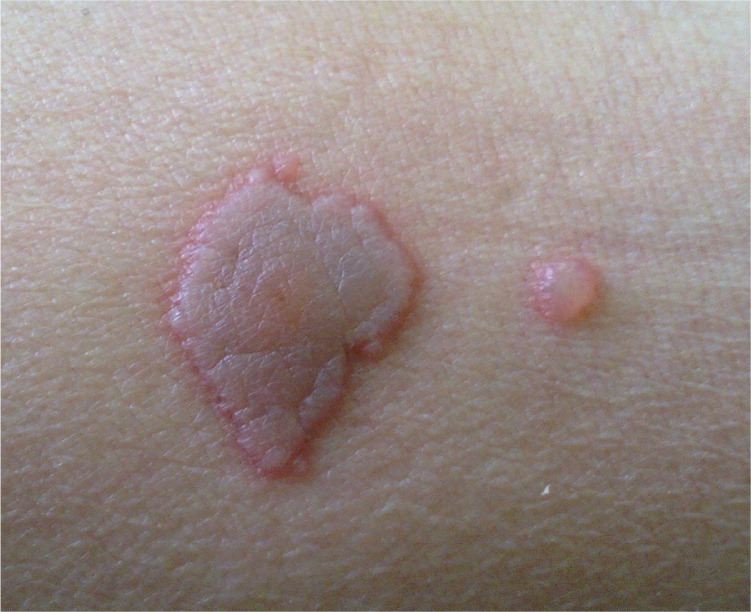
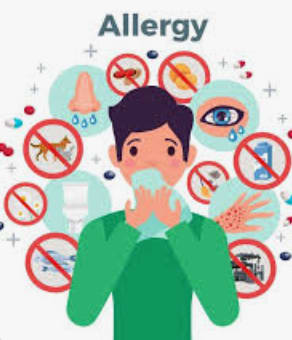
Common Skin Rashes in Children

Childhood skin rashes are common in primary care and are usually diagnosed clinically based on morphology, distribution, associated symptoms, and clinical course. Treatment depends on the underlying diagnosis and severity. Accurate recognition of common rash patterns can guide appropriate management, limit transmission when relevant, and reduce the risk of complications.
CME Quiz
CME credits
CME expires
Primary Care for People With Alcohol Use Disorder
People with alcohol use disorder are nearly twice as likely as the general population to have a primary care physician. Physicians should be aware of common complications that are caused by, or co-occur with, heavy alcohol use and be able to identify and treat these conditions appropriately.
Influenza: Prevention, Diagnosis, and Treatment
Annual influenza vaccination is recommended for people 6 months and older, including pregnant individuals, who do not have a contraindication to vaccination. Although most patients do not require treatment for influenza, antivirals should be started as soon as possible for patients who are hospitalized, have severe or progressive illness, or are at high risk of influenza complications.
Past Issues
Featured articles
See full issue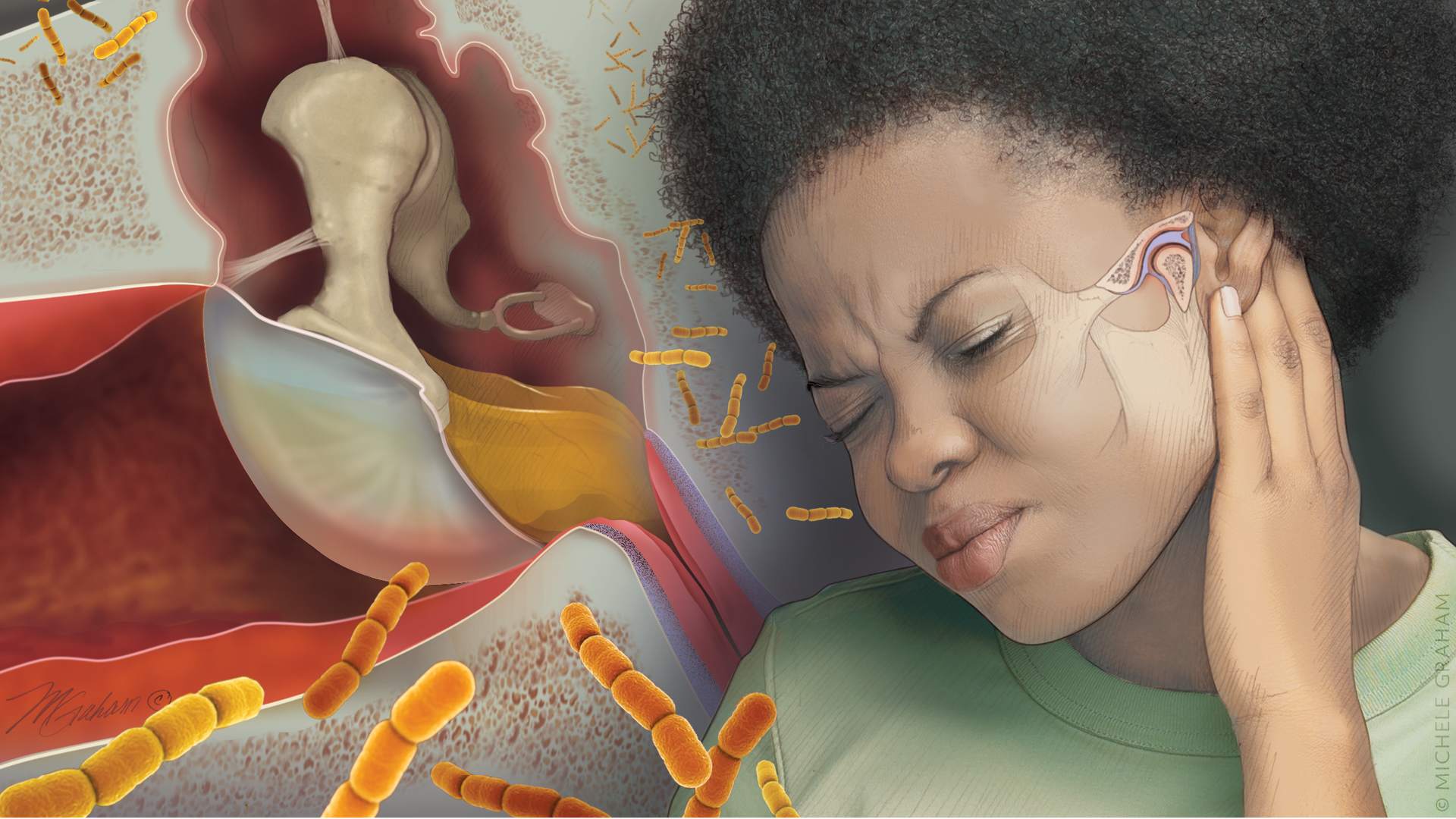
Ear Pain: Diagnosing Common and Uncommon Causes
Otalgia, or ear pain, presents as primary (ie, originating from the ear) or secondary (ie, referred from nonotologic sources). Evaluation should include a focused history and physical examination, with further assessment for concerning or persistent findings.
Physical Therapy: Rehabilitation Principles, Coordination, and Collaboration
Family physicians can coordinate and collaborate with physical therapists by identifying patients for referral, using core rehabilitation principles to bridge care, and understanding the effectiveness of modalities used by physical therapists to augment neuromuscular re…
Spondyloarthropathies
Spondyloarthropathies are inflammatory syndromes that share genetic predisposition (HLA-B27) and clinical findings such as inflammatory back pain, peripheral arthritis, dactylitis, and enthesitis.
Cognitive Behavior Therapy
Cognitive behavior therapy is an evidence-based, time-limited psychotherapy that uses goal-oriented interventions to treat various mental and physical health conditions across the lifespan. It is used alone or with medication to modify maladaptive thinking and behavior patterns.
CME Quiz
CME credits
CME expires


Featured Content
Read About the Power of Primary Care to Improve Health
See the joint editorial by family medicine journal editors.
Physician Recruitment Guide
See the latest physician recruitment guide to find your next practice opportunity.
AAFP 2026 Immunization Schedules
Download newly revised schedules for child, adolescent, and adult immunizations.
Use of AI in Family Medicine Publications
Read the joint editorial from several family medicine journal editors.