This is a corrected version of the article that appeared in print.
Am Fam Physician. 2023;108(6):605-613
Author disclosure: No relevant financial relationships.
Primary care for women and other patients with similar reproductive potential can include a discussion about pregnancy and, depending on the patient’s intent, contraceptive care or preconception care. Folic acid supplementation of at least 400 mcg per day is recommended to reduce the risk of neural tube defects, because many pregnancies are unplanned. Having a body mass index of 18.5 to 24.9 kg per m2 before pregnancy also reduces complications. Patients with a history of bariatric surgery should delay pregnancy for at least 12 months post-procedure and ensure that their nutritional status is adequate before conception. It is essential to review the patient’s medications and chronic medical conditions to avoid teratogens and optimize treatment before conception to reduce maternal and fetal morbidity and mortality. Having a prepregnancy A1C level of less than 6.5% is strongly recommended for patients with diabetes mellitus to minimize congenital anomalies and complications. Vaccinations should be updated to prevent adverse outcomes related to infections. Infectious disease screenings should be updated before conception to allow for treatment, prophylaxis, or timing of pregnancy to avoid complications. Screening and counseling should be provided for substance use and potential environmental exposures to identify and mitigate detrimental exposures before pregnancy.
The World Health Organization recognizes preconception care as a way to improve the health of women before pregnancy and to improve pregnancy-related maternal and fetal outcomes.1 Individuals with reproductive potential should be encouraged during routine visits to develop a reproductive plan, regardless of their intent to become pregnant, because about 45% of pregnancies in the United States are unintended.2
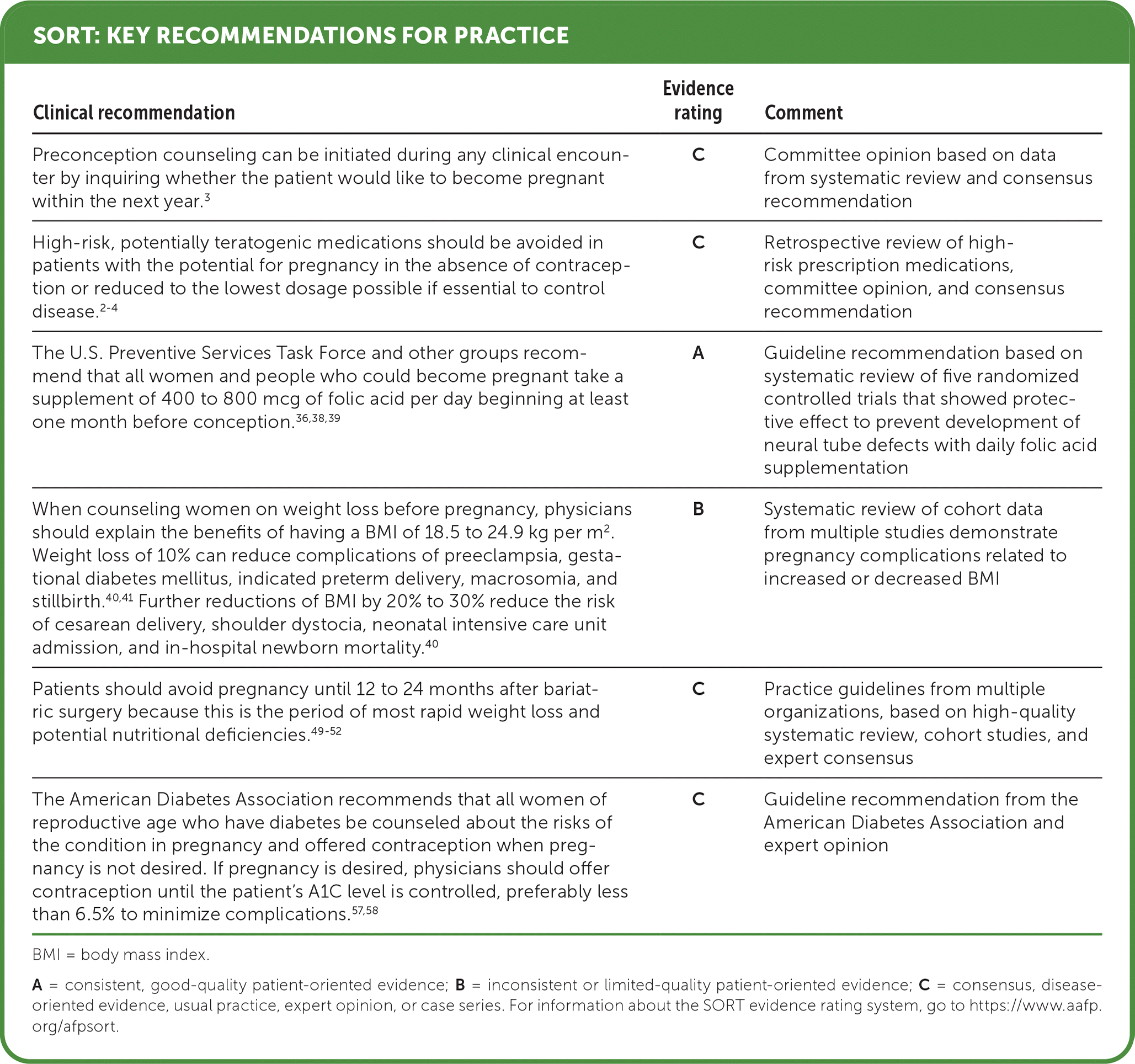
Preconception counseling can be initiated during any clinical encounter by inquiring whether the patient would like to be pregnant within the next year.3 For those planning to become pregnant, this can be followed by a discussion about optimizing their health before conception. For those not planning to become pregnant, contraceptive options can be discussed.
Preconception visits for individuals planning a pregnancy should address preventive measures and optimize care of existing conditions. Chronic conditions such as diabetes mellitus, hypertension, thyroid disease, and psychiatric illness typically require medication and treatment evaluation before and during pregnancy. However, women who may become pregnant have often been prescribed high-risk, potentially teratogenic medications without receiving contraception4 (Table 15–16). [corrected] Such medications should be avoided or reduced to the lowest dosage possible if they are essential to control conditions.2–4 Referrals to specialists should be considered before conception to further evaluate patients’ medication regimens if they cannot be discontinued.
| Condition | Recommendations |
|---|---|
| Acne | Isotretinoin is a known teratogen; use in individuals with childbearing potential requires two forms of contraception5 |
| Anxiety and depression | Counseling should be offered; for patients with moderate to severe symptoms; selective serotonin reuptake inhibitors are typically the first-line option, but other agents may be used; paroxetine may be associated with a higher risk of cardiac malformations and is typically avoided; before discontinuing medications for mood disorders, a risk-benefit conversation should be conducted, because untreated mood disorders are not without risk to both the pregnant patient and the fetus6 |
| Asthma | Asthma management in pregnant patients is similar to that in nonpregnant patients; maternal and fetal risks associated with uncontrolled asthma far outweigh small risks associated with medication use during pregnancy 7 |
| Attention-deficit/hyperactivity disorder | Limited data suggest that exposure to attention-deficit/hyperactivity disorder medication during early pregnancy may be associated with certain birth defects; management should be individualized8 |
| Bipolar and psychotic disorders | Risperidone should be avoided in pregnancy; other antipsychotics and mood stabilizers do not have a clear association with congenital malformations, but more long-term safety data are needed9 |
| Diabetes mellitus | Insulin is the first-line agent to achieve euglycemia during pregnancy because it does not cross the placenta; metformin and glyburide can be used during pregnancy but are known to cross the placenta, requiring a risk-benefit conversation about the potential risks to the fetus, including but not limited to fetal growth restriction and neonatal hypoglycemia; other glucose-lowering medications have limited safety data in pregnancy and should be avoided10 |
| Hypertension | Angiotensin-converting enzyme inhibitors, angiotensin receptor blockers, renin inhibitors, and mineralocorticoid receptor antagonists are contraindicated in pregnancy; nifedipine extended-release, labetalol, and methyldopa are preferred in pregnancy and for patients considering pregnancy11 [corrected] |
| Hyperthyroidism | During the first trimester, propylthiouracil is preferred due to the teratogenic risk associated with methimazole; however, methimazole is preferred during the second and third trimesters12 |
| Opioid use disorder | Medically supervised withdrawal is not recommended due to high relapse rates; opioid agonist therapy with methadone or buprenorphine is preferred over naltrexone (Revia) due to its lack of long-term safety data13 |
| Seizure disorders | Antiepileptic drug monotherapy at the lowest effective dosage is preferred over polytherapy to reduce risk of fetal harm; preferred agents include lamotrigine and levetiracetam; valproate, carbamazepine, phenytoin, and phenobarbital should be avoided; a higher daily dosage of folic acid may be considered for supplementation and is recommended for those taking antiepileptic drugs and attempting to conceive14 |
| Thrombophilia and venous thromboembolism | Warfarin is a known teratogen that crosses the placenta; newer direct oral anticoagulants should be avoided in pregnant patients and in those attempting to conceive due to a lack of long-term safety data15; unfractionated heparin and low-molecular-weight heparin are preferred in pregnancy and for patients attempting to conceive because they do not cross the placenta; low-molecular-weight heparin is typically preferred due to the ease of dosing and safety profile compared with unfractionated heparin15,16 |
Physicians should also screen for sexually transmitted infections and other communicable diseases (Table 217–23) and update immunizations (Table 324–30) for patients who desire pregnancy. Other issues that should be addressed during preconception visits include reproductive history, substance use (Table 431,32), exposure to environmental hazards (Table 531,33–35), the need for psychosocial care, and risk of genetic conditions, with appropriate counseling if indicated.3,36 If a patient has potential exposure to environmental hazards, physicians can recommend mitigation and avoidance strategies.
| Disease | Recommendation |
|---|---|
| Chlamydia | In all sexually active women 24 years or younger and in women 25 years or older who are at increased risk for infection (grade B) |
| Gonorrhea | In all sexually active women 24 years or younger and in women 25 years or older who are at increased risk for infection (grade B) |
| Hepatitis B | In adolescents and adults at increased risk for infection (grade B) |
| Hepatitis C | In adults 18 years and older (grade B) |
| Herpes simplex virus | No routine screening is recommended; if the patient has a history of infection, counsel them about vertical transmission and note that suppressive antiviral therapy may be used (grade D) |
| HIV | In patients 15 years and older (grade A) |
| Syphilis | In patients who are at increased risk for infection (grade A) |
| Tuberculosis | In populations at increased risk (grade B)* |
| COVID-19 | The Centers for Disease Control and Prevention recommends vaccination for all people six months and older, including those who are pregnant, lactating, or trying to get pregnant, or who might become pregnant in the future |
| Hepatitis B | Immunization is recommended for those at increased risk and for all adults 19 years and older without prior documented vaccination or immunity |
| HPV | HPV vaccination is routinely recommended at 11 or 12 years of age; catch-up HPV vaccination is recommended for all patients through 26 years of age who are not adequately vaccinated; vaccination for patients 27 to 45 years of age requires shared decision-making; HPV vaccination currently is not recommended during pregnancy but should not be avoided or delayed because a woman may want to become pregnant or may be actively trying to become pregnant; if the vaccine series is started and a patient then becomes pregnant, completion of the vaccine series should be delayed until the pregnancy is completed |
| Influenza | Women who are pregnant or who might become pregnant during the influenza season should receive the influenza vaccine |
| MMR | Women of childbearing age who have had one or two documented doses of rubella-containing vaccine and have rubella-specific immunoglobulin G levels that are not clearly positive should receive one additional dose of MMR vaccine (a maximum of three doses) before or after completion of pregnancy; retesting for serologic evidence of rubella immunity is not necessary; patients should avoid pregnancy for one month after vaccination |
| Tetanus, diphtheria, and pertussis | Each pregnancy should include routine vaccination for tetanus, diphtheria, and pertussis, ideally between 27 and 36 weeks of gestation |
| Varicella | Assessment for immunity is recommended; patients should avoid pregnancy for one month after each varicella vaccination |
| Substance | Recommendations |
|---|---|
| Alcohol | Alcohol is a known teratogen and is associated with increased risk of spontaneous abortion, fetal growth restriction, birth defects, and neurodevelopmental deficits31 |
| Caffeine | Increased daily caffeine intake may increase the risk of pregnancy complications, especially if the patient consumes more than 300 mg per day31 |
| Cannabinoids | Cannabinoids affect female and male fertility; associated effects may include alteration of ovulation and the menstrual cycle, impaired semen, and fluctuations in reproductive hormones; limited data suggest an association between prenatal cannabis exposure and adverse fetal outcomes, including impaired fetal growth and neurodevelopmental disorders; overall, there are limited data on the long-term safety of chronic cannabis use, especially in the preconception period32 |
| Illicit drugs | Use of illicit drugs increases the risk of infant mortality, low birth weight, neonatal abstinence syndrome, and a variety of pregnancy complications31 |
| Tobacco | Tobacco is associated with increased risk of intrauterine growth restriction, preterm birth, congenital malformations, sudden infant death syndrome, and low birth weight31 |
| Hazard | Implications | Mitigation and avoidance |
|---|---|---|
| Lead | Lead exposure is associated with an increased risk of gestational hypertension, placenta previa, preterm delivery, fetal loss, impaired fetal growth, fetal neurodevelopmental conditions, and other birth defects33 | Avoid renovating homes built before 1978 and clean floors with a damp cloth or mop to capture contaminated dust; remove shoes when entering the home; avoid eating clay and soil |
| Mercury | Mercury is a known neurotoxin, with the highest concentrations found in certain fish (e.g., king mackerel, shark, swordfish, tilefish); mercury may increase the risk of preterm birth and fetal neurodevelopmental conditions33 | Eat fish lower in mercury and eat no more than one or two 6-oz servings of fish per week |
| Radiation exposure | Radiation exposure increases the risk of spontaneous abortion, stillbirth, non-Hodgkin lymphoma, and childhood cancers31 | Follow Occupational Safety and Health Administration protocols to reduce exposure risks in the occupational setting |
The following is a more detailed discussion of issues commonly encountered in medical visits that should be discussed, when appropriate, during preconception visits. The recommendations are pertinent only to preconception counseling in higher-income countries; the World Health Organization has separate recommendations for lower-income countries.37 As most of the cited studies and guidelines use the term “women,” this article uses the same term to include cisgender women and other patients with similar reproductive potential. Preconception counseling recommendations for patients with advanced maternal age or those experiencing infertility or recurrent pregnancy loss are not included in this review.
Folic Acid Supplementation
The U.S. Preventive Services Task Force and other groups recommend that all women and others who could become pregnant take supplements containing 400 to 800 mcg of folic acid per day (grade A recommendation) beginning at least one month before conception and continuing through the first two to three months of pregnancy.36,38,39 According to the American College of Medical Genetics and Genomics, pregnant individuals at high risk of neural tube defects (due to factors such as obesity, diabetes, or a family history of neural tube defects) should be counseled to take 4,000 mcg of folic acid per day, beginning three months before conception and continuing through the first trimester.39
Body Mass Index
Prepregnancy body mass index (BMI) affects pregnancy outcomes and infant health outcomes.40 For example, obesity during pregnancy increases the risk of preeclampsia, large-for-gestational-age infants, shoulder dystocia, cesarean delivery, stillbirth, and neonatal death. Congenital malformations such as neural tube defects, cleft lip and palate, limb reduction, and hydrocephalus are also more commonly reported in pregnancies of patients who are obese.41
When counseling women who are overweight or obese on weight loss before pregnancy, physicians should explain the benefits of having a BMI of 18.5 to 24.9 kg per m2. In these patients, weight loss of 10% can reduce complications of preeclampsia, gestational diabetes, indicated preterm delivery, macrosomia, and stillbirth.40,41 Further reductions of BMI by 20% to 30% reduce the risk of cesarean delivery, shoulder dystocia, neonatal intensive care unit admission, and in-hospital newborn mortality.40
Preconception counseling for patients who are overweight or obese should include discussion of attainable weight-loss targets before pregnancy and health optimization. Intensive individual counseling, effective dietary support, and behavioral and exercise modification are some of the most effective elements of this planning.42
Patients should be encouraged to engage in 75 minutes of vigorous activity, or 150 minutes of moderate activity, each week in addition to muscle strengthening sessions at least twice per week.43 Setting exercise goals in the preconception time frame can help establish expectations for physical activity during pregnancy. Pharmacotherapy or bariatric surgery can also help patients reach a healthy weight before conception.
Preconception use of weight-loss medications should include discussion about the waiting time between medication stoppage and pregnancy. General recommendations based on the pharmacodynamics of glucagon-like peptides in animal studies are to stop use two months before pregnancy.44 Phentermine hydrochloride/topiramate (Qsymia) should be stopped when a pregnancy is planned or identified, based on topiramate’s known risk for neural tube defects and cleft palate.45
Bariatric Surgery
Bariatric weight loss procedures, including sleeve gastrectomy, Roux-en-Y gastric bypass, and adjustable gastric band insertion, may be reasonable options for patients with class II obesity with comorbidities (BMI of 35 to 39 kg per m2) or class III obesity (BMI greater than 40 kg per m2).46 These procedures can lower prepregnancy weight and reduce obesity-related complications. More than 250,000 bariatric surgery procedures are completed annually, and about one-half are in individuals with reproductive potential.47,48
The American Society for Metabolic and Bariatric Surgery, the American Association of Clinical Endocrinology, and the American College of Obstetricians and Gynecologists recommend patients avoid pregnancy until 12 to 24 months after bariatric surgery; this is the period of most rapid weight loss and potential nutritional deficiencies.49–52 Small-for-gestational-age infants and preterm births are more common in patients who have had bariatric surgery, whereas rates of preeclampsia and gestational diabetes are lower.53,54 Long-acting reversible contraceptives are likely the most effective contraceptives before and after bariatric surgery; oral contraceptives can have decreased effectiveness due to gastrointestinal malabsorption.55
Current guidelines for preconception testing in patients who have had bariatric surgery recommend assessment of folate, ferritin, vitamin D, vitamin B12, zinc, and calcium levels.48,52 Supplementation should include at least 10 mg of zinc, 1 mg of copper, and a maximum of 5,000 IU of vitamin A as beta carotene per day. Dosages of other supplements should be adjusted to correct any deficiencies based on preconception laboratory testing results.56
Diabetes Mellitus
Diabetes is an increasingly prevalent condition in individuals of reproductive age, with about 1% of pregnancies in the United States affected by preexisting diabetes.57 The American Diabetes Association recommends that all women of reproductive age who have diabetes be counseled about the risks of the condition in pregnancy and offered contraception if pregnancy is not desired. However, when pregnancy is desired, physicians should offer contraception until the patient’s A1C level is controlled. An A1C of less than 6.5% is recommended to reduce the risks of macrosomia, preterm birth, perinatal death, and preeclampsia associated with diabetes.57,58 There is also an increased risk of congenital anomalies with prepregnancy diabetes and gestational diabetes, with relative risks of 2.44 and 1.28, respectively.58,59
Preconception screening for diabetic retinopathy is necessary because pregnancy can adversely affect the development and progression of this condition.58 Many medications used to treat diabetes and its comorbid conditions are not recommended in pregnancy and should be discontinued as part of preconception planning.
Hypertension
In the CHAP (Chronic Hypertension and Pregnancy) trial, patients with blood pressure less than 140/90 mm Hg had fewer adverse outcomes in pregnancy, including preeclampsia with severe features, preterm birth, placental abruption, and fetal death.60 Therefore, women should be counseled on the risks of uncontrolled hypertension before and during pregnancy, with a goal of obtaining blood pressure control before conception.60 Women with a diagnosis of hypertension who are also considering pregnancy should begin taking antihypertensives that are safe for use in pregnancy.61
Thyroid Disease
Uncontrolled thyroid disease has been shown to affect early fetal development and increases the risk of fetal loss. Individuals with thyroid disease who are considering pregnancy should be counseled to delay pregnancy until euthymia is achieved to minimize risk to the fetus. A patient on thyroid replacement therapy with stable hypothyroidism should increase their medication by two additional doses per week if pregnancy is identified and contact their physician.62,63
For hyperthyroidism, management focuses on achieving euthymia and minimizing exposure to antithyroid medications.62 If definitive therapy with radioactive iodine ablation is performed, patients should be counseled to avoid pregnancy for six months after. If medical treatment is preferred, methimazole may be continued until conception and then patients would be transitioned to propylthiouracil for the duration of the first trimester.63 Methimazole is contraindicated during the first trimester due to teratogenic risk, but it can be safely used during the second and third trimesters.63
Intimate Partner Violence
The U.S. Preventive Services Task Force issued a grade B recommendation to screen all women of reproductive age for intimate partner violence and offer referral or provide ongoing support services to patients who screen positive.64 Several screening tools are available for intimate partner violence including HITS (hurt, insult, threaten, scream); WAST (woman abuse screening tool); and STaT (slap, threaten, and throw).64 A previous American Family Physician article (https://www.aafp.org/pubs/afp/issues/2016/1015/p646.html) provides examples of these screening instruments.
HIV
For cisgender women and transgender men of childbearing potential with HIV infection, primary care physicians should discuss the desire for pregnancy regularly and provide treatment with effective antiretroviral therapy (ART).65 Effective treatment significantly minimizes the risk of vertical transmission to the infant.
HIV treatment should be individualized and focus on maintaining an undetectable viral load before and during pregnancy with continued use of ART; preexposure prophylaxis should be offered to partners before conception.65 Alternatively, reliable contraception should be offered when pregnancy is not desired. Patients with HIV infection should be counseled on the decreased effectiveness of combined oral contraception and ART.65
It should be noted that the ART agent dolutegravir has been associated with neural tube defects. An alternative ART agent may be appropriate in those planning to conceive and should be discussed with the patient and an HIV specialist.
Data Sources: We searched databases of the American Academy of Family Physicians, PubMed, Cochrane Library, American College of Obstetricians and Gynecologists, Centers for Disease Control and Prevention, Women’s Preventive Services Initiative, Essential Evidence Plus (provided by editorial staff), American Diabetes Association Standards of Care, and U.S. Preventive Services Task Force on the following terms: preconception counseling, preconception care, prepregnancy counseling, prepregnancy care, reproductive health, immunizations, screening guidelines alone and in conjunction with chronic diseases including diabetes, hepatitis, HIV, obesity, bariatric surgery, thyroid disease, and infectious disease. Search dates: November 2022; January 19, 2023; February 9 and 22, 2023; and October 27, 2023.