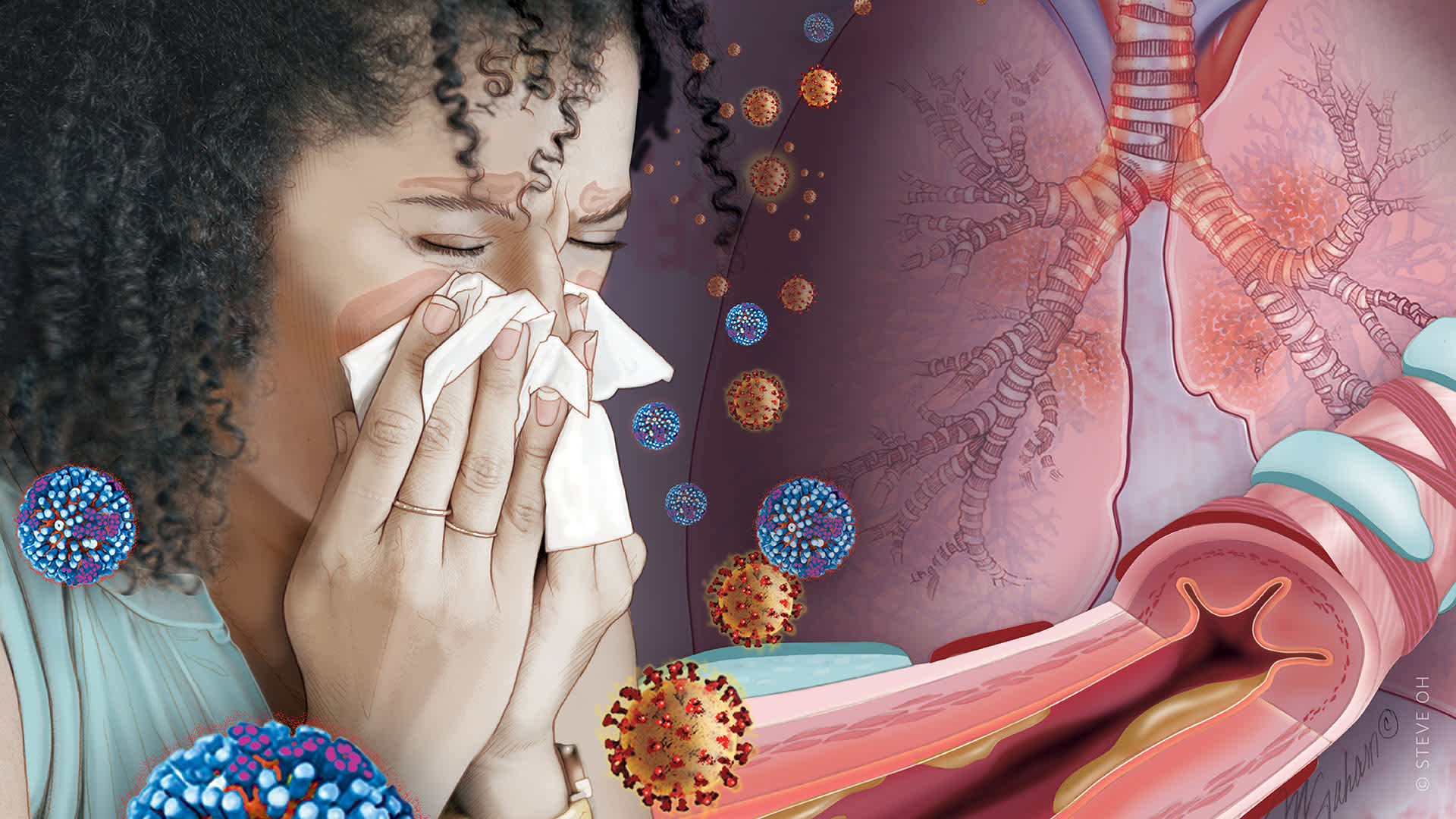
Nosocomial pneumonia, which includes hospital-acquired pneumonia (HAP) and ventilator-associated pneumonia (VAP), is associated with high morbidity and mortality. HAP occurs 48 hours or more after admission and may require intubation and mechanical ventilation. VAP occurs more than 48 hours after mechanical ventilation is initiated. The mortality rate of VAP and ventilated HAP ranges from 15% to 30%, depending on severity. Diagnosis is based on a new pulmonary infiltrate associated with clinical evidence of infection such as new-onset fever, purulent sputum, leukocytosis, and decline in oxygenation. Optimal management includes identification of the causative pathogen, early empiric antimicrobial therapy directed against likely pathogens, and de-escalation of treatment once a pathogen is identified. The standard treatment duration is 7 days for patients who are improving clinically. Effective methods to prevent VAP include washing hands adequately between patient contacts, maintaining semirecumbent patient positioning, avoiding gastric overdistention, providing continuous subglottic suctioning for patients on mechanical ventilation, limiting stress-ulcer prophylaxis, and practicing daily oral care with toothbrushing.
Case 2. AB is a 58-year-old man with a history of hypertension and advanced chronic obstructive pulmonary disease who is on day 5 of ventilatory support after surgery for colon cancer. AB has a new-onset fever (101.3°F [38.5°C]) associated with increased purulent endotracheal secretions. His blood pressure is 130/90 mm Hg and pulse is 120/min. Chest radiography reveals new bilateral consolidated infiltrates.
Nosocomial pneumonia is a major cause of hospital-acquired infection and is associated with high morbidity and mortality.1–5 Nosocomial pneumonia can be classified into three categories:
- Hospital-acquired pneumonia (HAP) is pneumonia that occurs 48 hours or more after hospital admission that does not appear to have been incubating at the time of admission.
- Ventilator-associated pneumonia (VAP) occurs in intubated patients more than 48 hours after mechanical ventilation is initiated. VAP also includes HAP that occurs within 48 hours of extubation.
- Ventilated HAP refers to HAP that develops in hospitalized patients who ultimately require mechanical ventilation due to pneumonia. Ventilated HAP is associated with poor clinical outcomes.6
The category of health care–associated pneumonia, which includes patients who are transferred from long-term facilities or who were previously hospitalized, is no longer recognized as a separate category of pneumonia. The categorization is overly sensitive and often leads to an increase in inappropriate use of broad-spectrum antibiotics.1,2,7
Epidemiology
Most cases of nosocomial pneumonia occur in nonventilated patients. However, the highest risk for nosocomial pneumonia is in intubated patients on mechanical ventilation; most clinical studies of nosocomial pneumonia are of this population. Nosocomial pneumonia accounts for up to 22% of all infections in the intensive care unit (ICU) and affects up to 1 in 10 patients receiving invasive mechanical ventilation.6,8
The overall mortality rate of VAP and ventilated HAP ranges from 15% to 30%, but the attributable mortality is estimated at 10% to 13%.5,9 Predictors of pneumonia-related mortality include APACHE (Acute Physiology and Chronic Health Evaluation) II score, number of dysfunctional organs, nosocomial bacteremia, presence of an underlying lethal disease, use of vasopressors, and infection caused by a multidrug-resistant (MDR) organism.10 Patients with VAP have longer hospitalizations and incur higher health care costs than similarly ill patients without VAP.11
Read the full edition
Get immediate access, anytime, anywhere.
Choose a single edition, 1-year or 2-year full-access subscription.
Earn 4 CME credits for this edition.