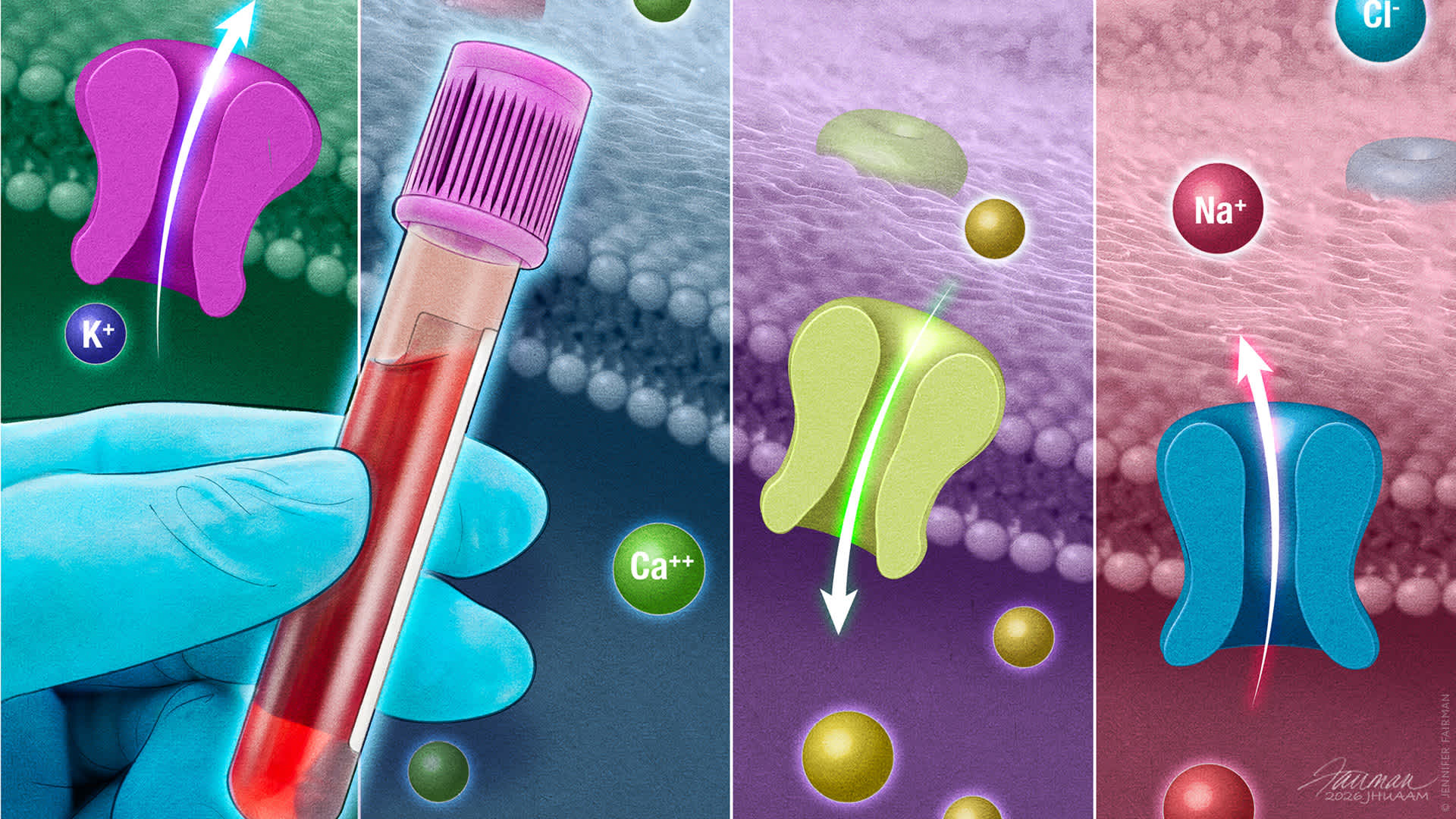
Seizure Disorders in Adults

Section One provides guidance for evaluating individuals who have experienced a first seizure. Section Two covers the various types of epileptic seizures and several common conditions that can mimic epilepsy. Section Three focuses on epilepsy treatment, including strategies for choosing an appropriate antiseizure medication based on seizure type, dose titration, and monitoring. Section Four addresses the role of primary care in the longitudinal management of patients with epilepsy.
CME Quiz
CME credits
CME expires
Understanding the Types of Epilepsy and Nonepileptic Events
Epilepsy encompasses a diverse group of disorders characterized by recurrent unprovoked seizures and requires careful evaluation to classify seizure type, identify underlying etiology, and distinguish epileptic events from common mimicking conditions. The International League Against Epilepsy classification provides a standardized framework that separates seizures into focal, generalized, or unknown classes, improving diagnostic consistency across care settings. Accurate identification is essential because misdiagnosis can lead to unnecessary treatment, inappropriate restrictions, and delayed care for the true underlying condition. The most common seizure mimics are syncope, psychogenic nonepileptic attacks (functional neurologic disorder), migraine with aura, transient ischemic attack, movement disorders, metabolic disturbances, and sleep disorders. Epidemiologic studies indicate that epilepsy affects 5 to 9 per 1,000 people in high-income countries, with a higher incidence in older adults due to cerebrovascular disease, dementia and neurodegeneration, and metabolic or systemic disorders. Morbidity and mortality remain significant, with increased risk attributable to status epilepticus, sudden unexpected death in epilepsy, injuries, drowning, and comorbid medical conditions. Understanding of seizure classification, mimic differentiation, and long-term prognosis allows clinicians to provide accurate counseling, initiate appropriate workup, and facilitate specialist referral when needed.
Principles of Treatment of Epilepsy
Management of epilepsy requires an individualized, longitudinal approach that incorporates seizure type, recurrence risk, comorbidities, lifestyle, reproductive planning, and safety implications of recurrent seizures. Family physicians play a central role in early counseling, initial medication discussions, monitoring for adverse effects, and recognizing when referral for advanced therapies is warranted. Evidence shows that early initiation of maintenance antiseizure medication after a first unprovoked seizure lowers short-term recurrence but does not change long-term remission or mortality, underscoring the need for shared decision-making grounded in patient preferences and psychosocial or occupational needs. Because epilepsy is increasingly viewed as a heterogeneous group of disorders rather than a single entity, treatment must integrate mechanism-based medication selection, titration principles, therapeutic monitoring, and nonpharmacologic options such as dietary therapy, neuromodulation, and surgery. This section provides a primary care–focused overview of medication strategy, emphasizing when to start medication, how to choose and adjust therapy, and how to manage breakthrough seizures, drug resistance, and pregnancy-related issues.
Primary Care for Patients With Epilepsy
Family physicians play a central role in the longitudinal management of epilepsy that extends beyond seizure control to address medication adherence, comorbidity screening, lifestyle counseling, and patient education. Antiseizure medication adherence should be assessed at every visit because nonadherence is associated with increased risk of seizure recurrence. All patients and caregivers should receive counseling regarding sudden unexpected death in epilepsy, ideally at or near the time of diagnosis. Achieving freedom from seizures, particularly from generalized tonic-clonic seizures, is the most effective strategy for reducing risk of sudden unexpected death in epilepsy. Regular screening for psychiatric comorbidities, especially depression and anxiety, is essential given the prevalence of these conditions in epilepsy and their impact on quality of life and treatment adherence. Lifestyle counseling should address sleep hygiene, stress management, alcohol moderation, and avoidance of other seizure triggers that can precipitate breakthrough seizures. Comprehensive epilepsy care also includes individualized safety counseling, seizure action planning, and guidance on driving restrictions and workplace accommodations under the Americans with Disabilities Act. Women of childbearing potential require targeted counseling regarding potential teratogenic risks of treatment, with valproate avoided when possible and lamotrigine or levetiracetam generally preferred.
Past Editions
#567 | Common Male Genitourinary Issues
See full issue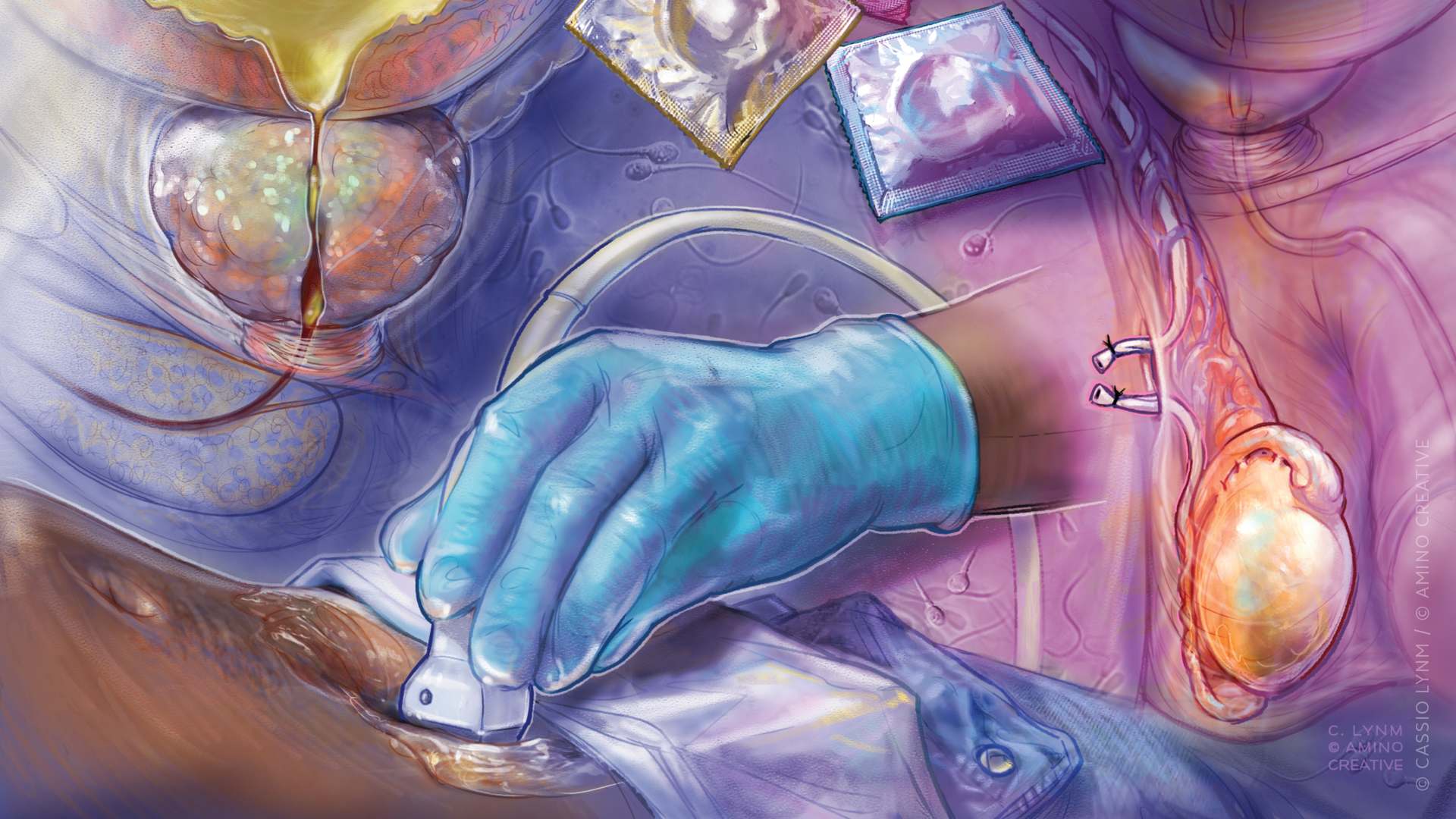
Chronic Pelvic Pain Syndrome
Chronic prostatitis/chronic pelvic pain syndrome is a common male genitourinary condition comprising urinary, musculoskeletal, gastrointestinal, and/or psychological concerns with pain as a prominent feature. It is a diagnosis of exclusion. Physicians should use validated…
Benign Prostatic Hyperplasia and Overactive Bladder
Lower urinary tract symptoms that significantly impair quality of life in men may result from benign prostatic
hyperplasia, overactive bladder, or a combination of both conditions. The diagnosis of benign prostatic hyperplasia,
a voiding dysfunction due to outlet obstruction…
Family Planning in Men
Male fertility concerns include prevention of pregnancy and planning for conception, including management of infertility. Male-directed contraception is currently limited to condom use or vasectomy. Vasectomy is a safe, office-based procedure that reliably results in sterility…
Prostate Cancer Screening and Treatment
Prostate cancer is the second most common cancer in US men. Guidelines for screening vary, underscoring the need to engage patients in shared decision-making and counsel them about potential benefits and harms. When screening is undertaken, it is based on the prostate-specific…
CME Quiz
CME credits
CME expires