
Obesity is a multifactorial, chronic condition that substantially affects individual and public health, reduces life expectancy, and increases the risk for a wide range of comorbid conditions (eg, cardiovascular disease, hypertension, depression, liver disease, type 2 diabetes, certain cancers). It is defined using body mass index in adults and further stratified into classes. In children and adolescents, obesity is defined using body mass index at or above the 95th percentile for age and sex. In the United States, more than 40% of adults and approximately 20% of children and adolescents are affected by obesity. Disparities persist, with higher rates among Hispanic and non-Hispanic Black populations and individuals with lower socioeconomic status. Other risk factors include adverse childhood experiences, behavioral influences, certain drugs, genetic predisposition, and medical conditions. Obesity-related stigma and social determinants of health pose barriers to effective care. Effective management requires a respectful, patient-centered approach that includes comprehensive assessment and multidisciplinary support. Recognizing obesity as an adiposity-based chronic disease may enhance care delivery and reduce bias, promoting better outcomes and health equity across populations.
Case 1. JM and her 10-year-old son LM come to your office for wellness examinations. Neither patient has a significant medical history. JM is 30 years old and has a body mass index (BMI) of 32.2 kg/m2; LM’s BMI is above the 95th percentile for age and sex. You ask for permission to discuss their weight, and they agree.
Definition and Prevalence
Obesity is a complex multifactorial chronic condition that affects health outcomes.1 Obesity increases the risk of deconditioning and chronic conditions such as cardiovascular disease (eg, coronary artery disease, hypertension, stroke), chronic kidney disease, depression, metabolic dysfunction (eg, type 2 diabetes, dyslipidemia), liver conditions (eg, cirrhosis, gallbladder disease, metabolic dysfunction-associated steatotic liver disease), osteoarthritis, respiratory conditions (eg, obesity-hypoventilation syndrome, obesity-related asthma, obstructive sleep apnea), and some cancers.1–3
CLASSIFICATIONS
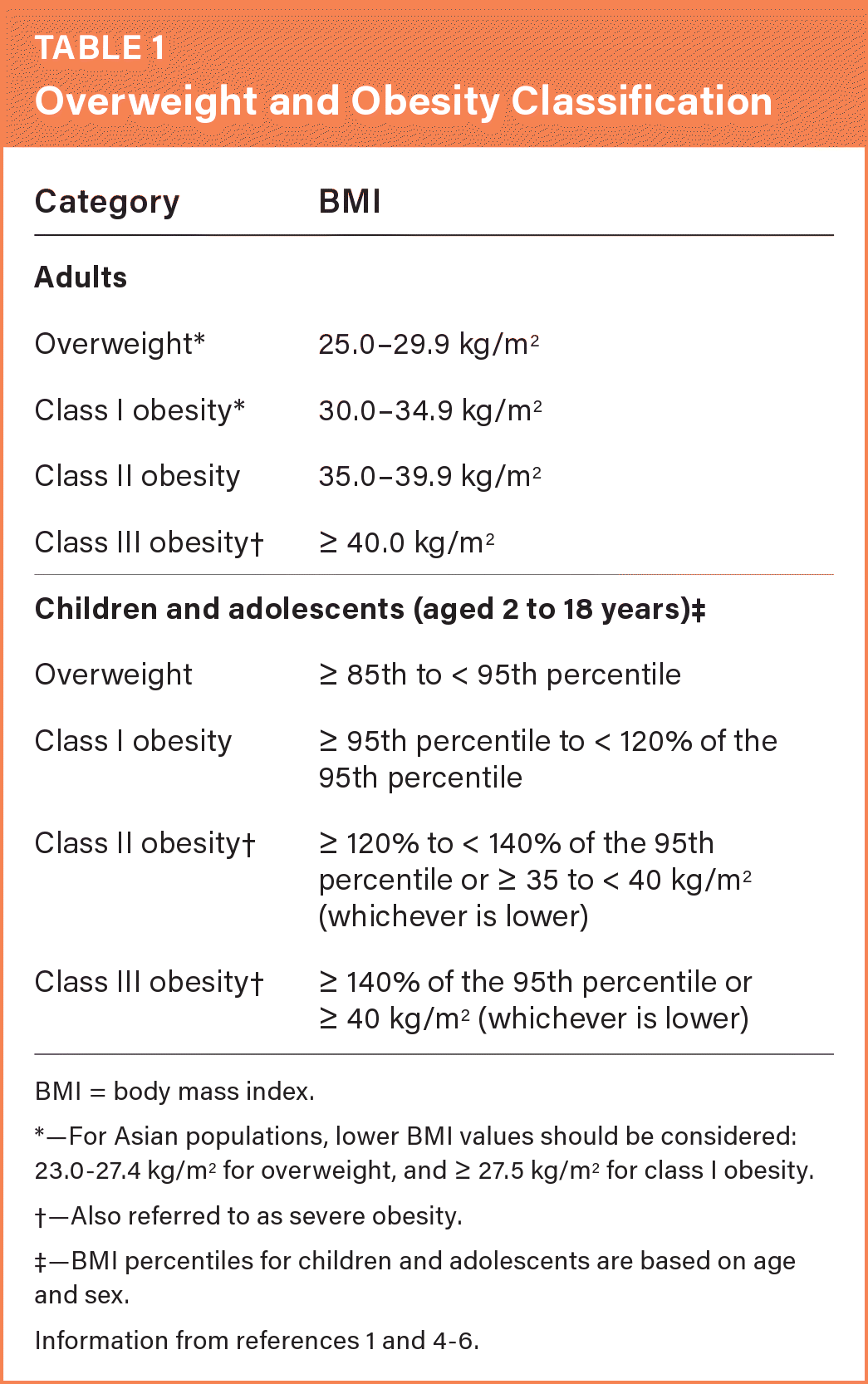
In adults, overweight is defined as a BMI of 25.0 to 29.9 kg/m2, and obesity is defined as a BMI of 30.0 kg/m2 or greater and further stratified into class I, II, and III (Table 11,4–6). Metabolically healthy obesity refers to a subset of the population that has increased body fat without obesity-related cardiometabolic abnormalities.7
Table 1 Overweight and Obesity Classification
| Category | BMI |
|---|---|
| Adults | |
| Overweight* | 25.0–29.9 kg/m2 |
| Class I obesity* | 30.0–34.9 kg/m2 |
| Class II obesity | 35.0–39.9 kg/m2 |
| Class III obesity† | ≥ 40.0 kg/m2 |
| Children and adolescents (aged 2 to 18 years)‡ | |
| Overweight | ≥ 85th to < 95th percentile |
| Class I obesity | ≥ 95th percentile to < 120% of the 95th percentile |
| Class II obesity† | ≥ 120% to < 140% of the 95th percentile or ≥ 35 to < 40 kg/m2 (whichever is lower) |
| Class III obesity† | ≥ 140% of the 95th percentile or ≥ 40 kg/m2 (whichever is lower) |
BMI = body mass index.
*—For Asian populations, lower BMI values should be considered: 23.0-27.4 kg/m2 for overweight, and ≥ 27.5 kg/m2 for class I obesity.
†—Also referred to as severe obesity.
‡—BMI percentiles for children and adolescents are based on age and sex.
Information from references 1 and 4-6.
Read the full edition
Get immediate access, anytime, anywhere.
Choose a single edition, 1-year or 2-year full-access subscription.
Earn 4 CME credits for this edition.