

KEY POINTS FOR PRACTICE
• Anaphylaxis following ingestion of red meat is rare but, if present, may be related to a prior tick bite due to alpha-gal allergy.
• Prompt epinephrine injection continues to be an essential treatment of acute anaphylaxis, and patients with a history of anaphylaxis should always have an autoinjector available.
• Not all patients successfully treated with epinephrine require emergency medical services.
• Although prohibiting food allergens in schools or childcare settings does not reduce anaphylaxis, allergen-free zones may be useful.
From the AFP Editors
Anaphylaxis is a systemic, potentially life-threatening allergic reaction that affects up to 1 in 20 people throughout their lives. Reaction severity varies based on allergen dose, exposure, and patient factors. A joint task force, including members of the American Academy of Allergy, Asthma and Immunology and the American College of Allergy, Asthma and Immunology, developed practice parameters focused on important elements of anaphylaxis diagnosis and treatment.
DIAGNOSIS AND MANAGEMENT
Diagnosis
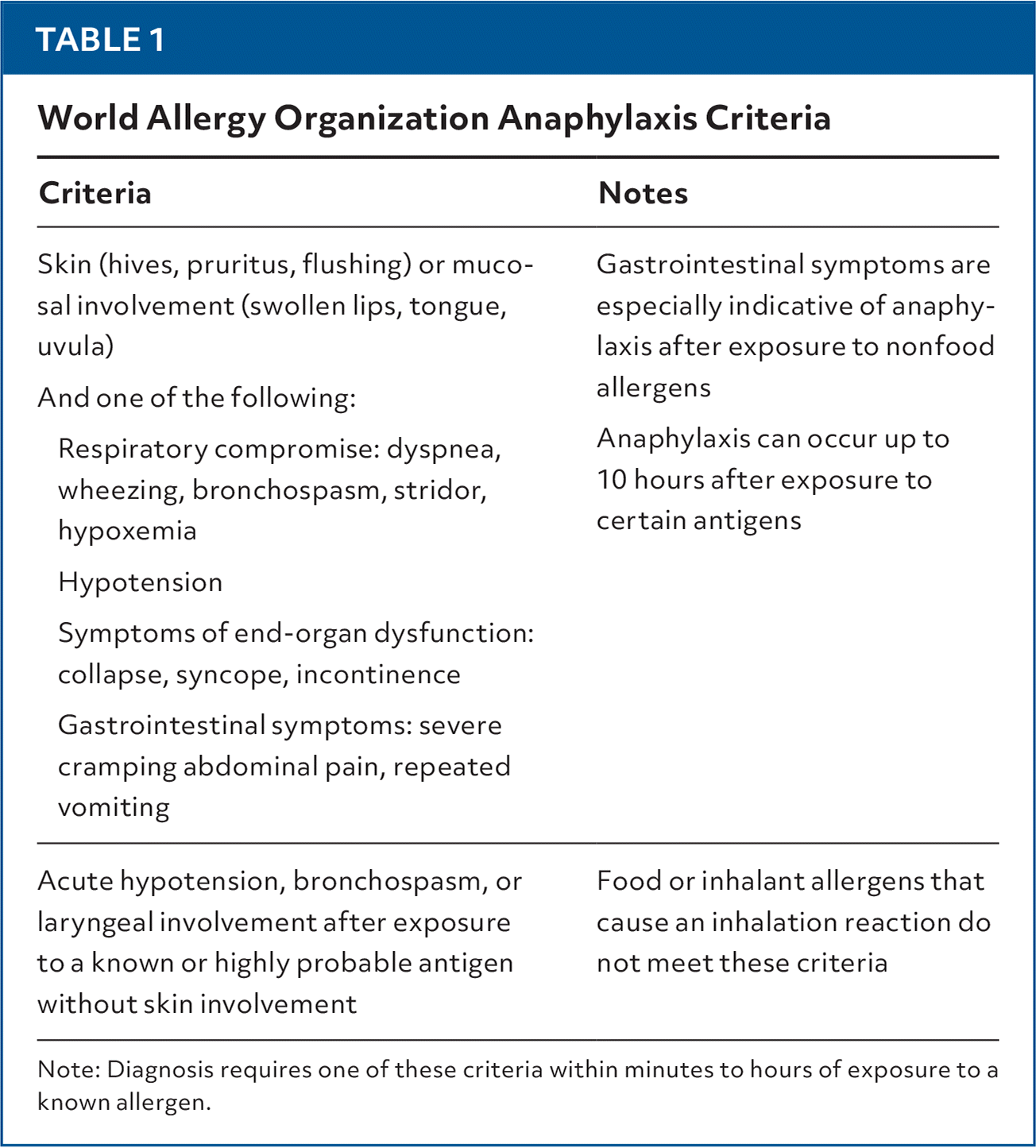
Although anaphylaxis is diagnosed clinically, there are no pathognomonic symptoms, examination findings, or laboratory findings. World Allergy Organization diagnostic criteria are outlined in Table 1. Although these criteria require rapid symptom onset within minutes to hours, some reactions, especially to galactose-alpha-1,3-galactose (alpha-gal) or immunotherapy, can occur up to 10 hours after exposure. Alpha-gal allergy, also called red meat tick bite allergy, is a reaction to ingesting red meat that occurs after a tick bite. Although rare, alpha-gal allergy should be considered in patients with recurrent idiopathic anaphylaxis and a possible tick bite.
TABLE 1. World Allergy Organization Anaphylaxis Criteria
| Criteria | Notes |
|---|---|
| Skin (hives, pruritus, flushing) or mucosal involvement (swollen lips, tongue, uvula) And one of the following: Respiratory compromise: dyspnea, wheezing, bronchospasm, stridor, hypoxemia Hypotension Symptoms of end-organ dysfunction: collapse, syncope, incontinence Gastrointestinal symptoms: severe cramping abdominal pain, repeated vomiting | Gastrointestinal symptoms are especially indicative of anaphylaxis after exposure to nonfood allergens Anaphylaxis can occur up to 10 hours after exposure to certain antigens |
| Acute hypotension, bronchospasm, or laryngeal involvement after exposure to a known or highly probable antigen without skin involvement | Food or inhalant allergens that cause an inhalation reaction do not meet these criteria |
Note: Diagnosis requires one of these criteria within minutes to hours of exposure to a known allergen.
Anaphylaxis may involve single or multiple organ systems. Symptoms affecting the laryngeal, respiratory, or cardiovascular systems have a higher mortality risk. A response to epinephrine does not necessarily establish a diagnosis of anaphylaxis in the absence of clinical criteria.
Initial Treatment
Prompt epinephrine injection should be administered at the first indication of anaphylaxis at a dose of 0.01 mg/kg, up to a maximum of 0.3 mg for children and adolescents and 0.5 mg for adults. Serious adverse reactions to intramuscular epinephrine are rare. Epinephrine autoinjectors should be prescribed to patients at high risk of anaphylaxis, and they and their caregivers should be counseled on carrying and using the device. Discontinuing suspected offending agents is also important. Emergency care includes maintaining airway patency and cardiovascular stabilization.
Read the full article
Get immediate access, anytime, anywhere.
Choose a single article, issue, or full-access subscription.
Earn up to 14 CME credits per issue.
