

DETAILS FOR THIS REVIEW
Study Population: 43 randomized controlled trials that included 11,419 men 40 years and older with sexual dysfunction; sexual dysfunction was defined as acquired symptoms of decreased libido or erectile dysfunction1
Efficacy End Points: Erectile function, sexual quality of life
Harm End Points: Cardiovascular mortality, prostate-related events, lower urinary tract symptoms, and treatment withdrawal due to adverse events
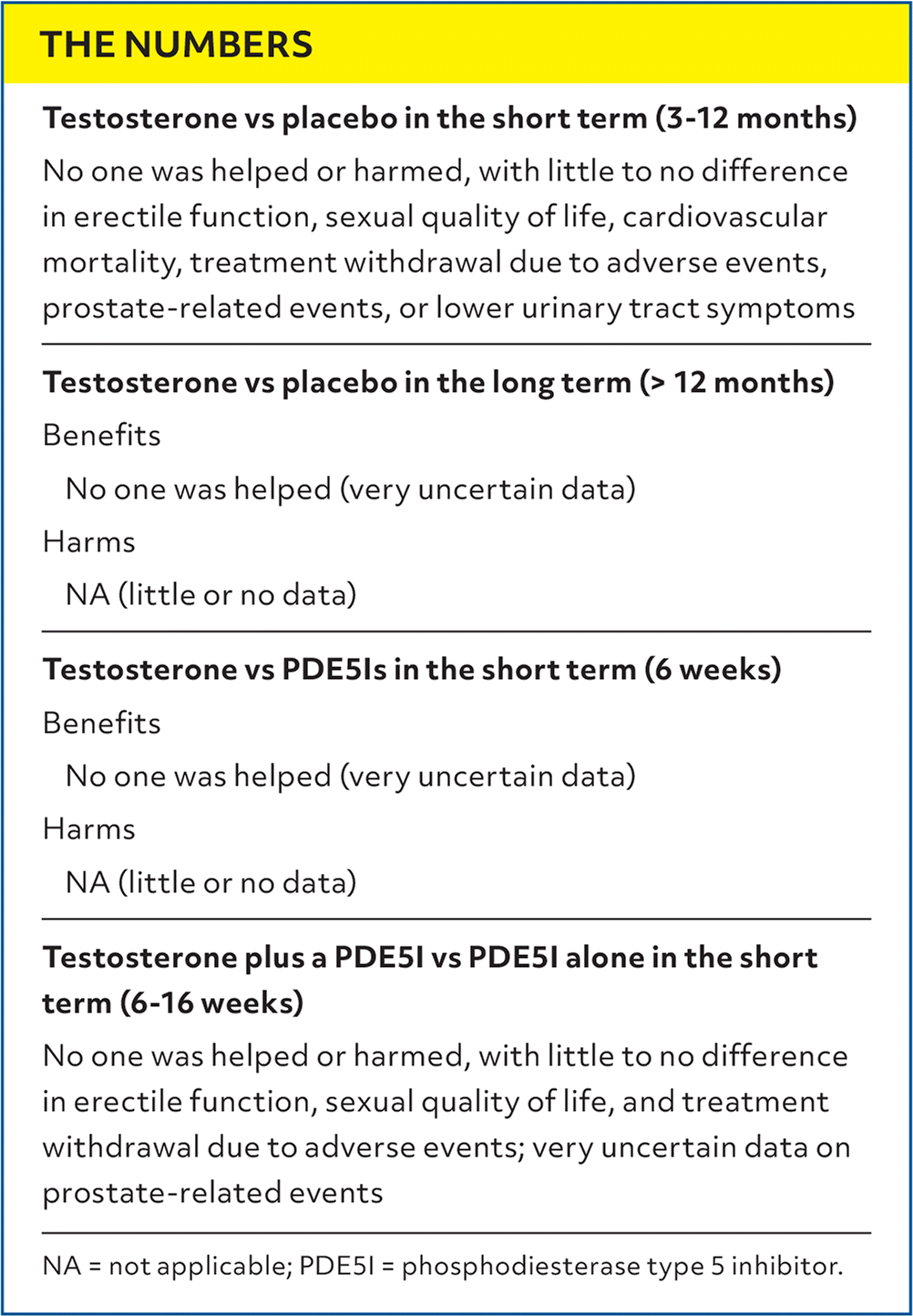
| Testosterone vs placebo in the short term (3–12 months) |
| No one was helped or harmed, with little to no difference in erectile function, sexual quality of life, cardiovascular mortality, treatment withdrawal due to adverse events, prostate-related events, or lower urinary tract symptoms |
| Testosterone vs placebo in the long term (> 12 months) |
| Benefits |
| No one was helped (very uncertain data) |
| Harms |
| NA (little or no data) |
| Testosterone vs PDE5Is in the short term (6 weeks) |
| Benefits |
| No one was helped (very uncertain data) |
| Harms |
| NA (little or no data) |
| Testosterone plus a PDE5I vs PDE5I alone in the short term (6–16 weeks) |
| No one was helped or harmed, with little to no difference in erectile function, sexual quality of life, and treatment withdrawal due to adverse events; very uncertain data on prostate-related events |
NA = not applicable; PDE5I = phosphodiesterase type 5 inhibitor.
Narrative: Male sexual dysfunction includes erectile dysfunction, ejaculatory disorders, premature ejaculation, and low sexual desire or libido.2,3 Erectile dysfunction is the most common symptom of male sexual dysfunction, with a prevalence of 24% in the United States that increases with age.2 Sexual dysfunction can lead to anxiety and depression, relationship difficulties, lack of sexual confidence, reduced quality of life, and poor self-esteem.4,5
Testosterone replacement therapy is approved by the US Food and Drug Administration for men with low total testosterone levels in association with certain medical conditions.6 The Endocrine Society recommends testosterone replacement therapy for symptomatic men with consistently low testosterone levels (300 ng/dL [10.41 nmol/L] or less).7 The American Urological Association recommends that testosterone replacement therapy be used only in men who have documented low testosterone and symptoms consistent with sexual dysfunction.8 However, studies have shown that testosterone replacement therapy is used regularly in men with reported symptoms of sexual dysfunction without testosterone measurements.9 Testosterone replacement therapy seems to improve symptoms of sexual dysfunction in symptomatic men with unequivocally low testosterone levels.7
In this Cochrane review, 43 randomized controlled trials included men 40 years and older with sexual dysfunction.1 Men with primary or secondary hypogonadism, elevated prostate-specific antigen, prostate cancer history, untreated obstructive sleep apnea, polycythemia, severe chronic medical or psychiatric conditions, or fragile health status were excluded. Follow-up ranged from 6 weeks to 24 months.
Erectile function and sexual quality of life were evaluated using validated tools such as the Aging Males’ Symptoms scale or the International Index of Erectile Function questionnaires, and reviewers defined a minimal clinically important difference. Results were examined in the two periods of less than 12 months (short term) and more than 12 months but less than 24 months (long term). Comparisons included testosterone vs placebo, testosterone vs a phosphodiesterase type 5 inhibitor (PDE5I), and testosterone plus a PDE5I vs a PDE5I alone.
Read the full article
Get immediate access, anytime, anywhere.
Choose a single article, issue, or full-access subscription.
Earn up to 14 CME credits per issue.
