Insomnia affects 30% of the U.S. population, with 5% to 15% meeting criteria for chronic insomnia. It can negatively impact quality of life, decrease productivity, increase fatigue and drowsiness, and put patients at higher risk of developing other health problems. Initial treatment focuses on nonpharmacologic therapies such as cognitive behavior therapy, which improves negative thought patterns and behaviors through sleep restriction, stimulus control, and relaxation techniques. Other nonpharmacologic treatments include exercise, mindfulness, and acupuncture. If these approaches are ineffective, pharmacologic agents may be considered. Medications such as benzodiazepines and Z-drugs are often prescribed for insomnia but should be avoided, if possible, due to short- and long-term risks associated with their use. Melatonin receptor agonists are safer and well tolerated but have limited effectiveness. Dual orexin receptor antagonists are effective in patients who have sleep maintenance insomnia or difficulty with sleep onset. Evidence for the use of antihistamines to treat insomnia is generally lacking, but doxylamine is effective for up to four weeks.
Approximately 30% of the U.S. population reports experiencing insomnia, with 5% to 15% of the total population meeting the formal criteria for chronic insomnia.1–3 The American Academy of Sleep Medicine defines insomnia as impairment of the initiation, duration, consolidation, or quality of sleep that occurs despite adequate opportunity for sleep and results in some form of daytime impairment.4 Chronic insomnia is diagnosed when patients have symptoms at least three times a week for three months or longer.4,5 Insomnia can have a significant impact on a patient's quality of life, leading to decreased productivity, increased fatigue and drowsiness, and higher risk of developing other health problems.6,7
SORT: KEY RECOMMENDATIONS FOR PRACTICE
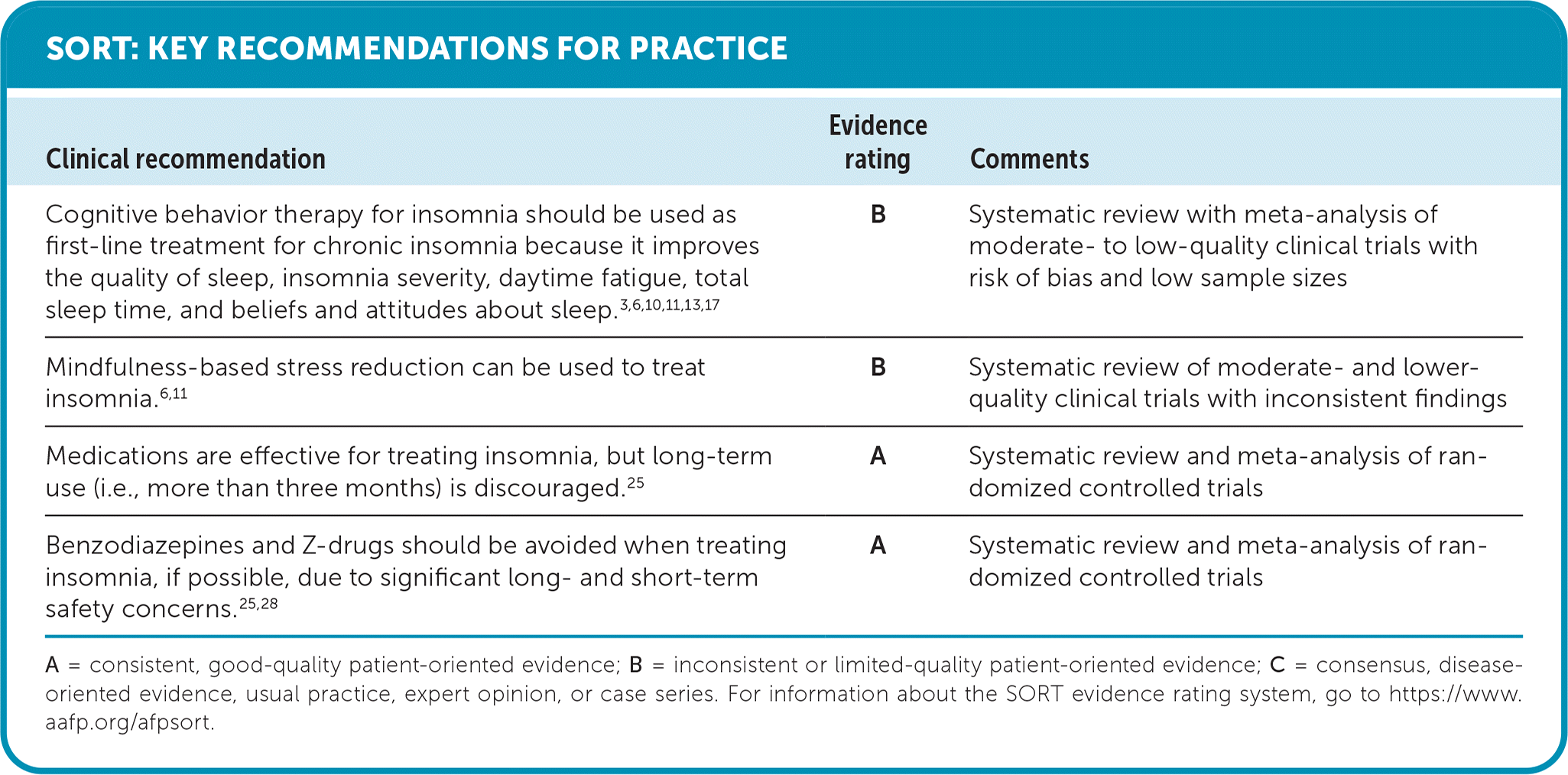
| Clinical recommendation | Evidence rating | Comments |
|---|---|---|
| Cognitive behavior therapy for insomnia should be used as first-line treatment for chronic insomnia because it improves the quality of sleep, insomnia severity, daytime fatigue, total sleep time, and beliefs and attitudes about sleep.3,6,10,11,13,17 | B | Systematic review with meta-analysis of moderate- to low-quality clinical trials with risk of bias and low sample sizes |
| Mindfulness-based stress reduction can be used to treat insomnia.6,11 | B | Systematic review of moderate- and lower-quality clinical trials with inconsistent findings |
| Medications are effective for treating insomnia, but long-term use (i.e., more than three months) is discouraged.25 | A | Systematic review and meta-analysis of randomized controlled trials |
| Benzodiazepines and Z-drugs should be avoided when treating insomnia, if possible, due to significant long- and short-term safety concerns.25,28 | A | Systematic review and meta-analysis of randomized controlled trials |
A = consistent, good-quality patient-oriented evidence; B = inconsistent or limited-quality patient-oriented evidence; C = consensus, disease-oriented evidence, usual practice, expert opinion, or case series. For information about the SORT evidence rating system, go to https://www.aafp.org/afpsort.
BEST PRACTICES IN SLEEP MEDICINE
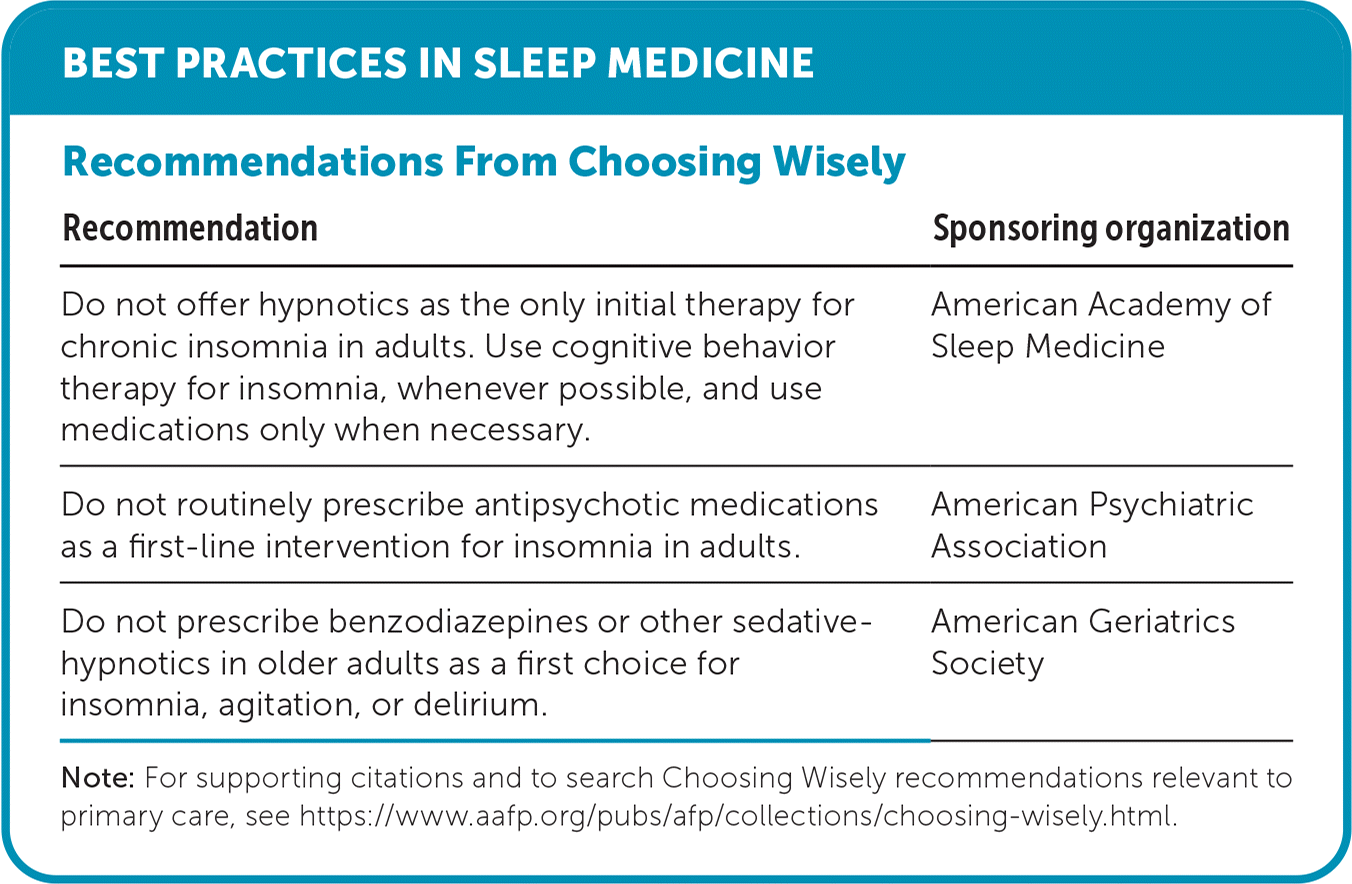
| Recommendation | Sponsoring organization |
|---|---|
| Do not offer hypnotics as the only initial therapy for chronic insomnia in adults. Use cognitive behavior therapy for insomnia, whenever possible, and use medications only when necessary. | American Academy of Sleep Medicine |
| Do not routinely prescribe antipsychotic medications as a first-line intervention for insomnia in adults. | American Psychiatric Association |
| Do not prescribe benzodiazepines or other sedative-hypnotics in older adults as a first choice for insomnia, agitation, or delirium. | American Geriatrics Society |
Note: For supporting citations and to search Choosing Wisely recommendations relevant to primary care, see https://www.aafp.org/pubs/afp/collections/choosing-wisely.html.
Read the full article
Get immediate access, anytime, anywhere.
Choose a single article, issue, or full-access subscription.
Earn up to 14 CME credits per issue.