Audiometry Interpretation for Hearing Loss in Adults

Mandi Sehgal, MD
Alexandra Sellers, AuD, CCC-A
Wendy S. Biggs, MD

American Family Physician. 2024;109(4):316-323.

Author disclosure: No relevant financial relationships.

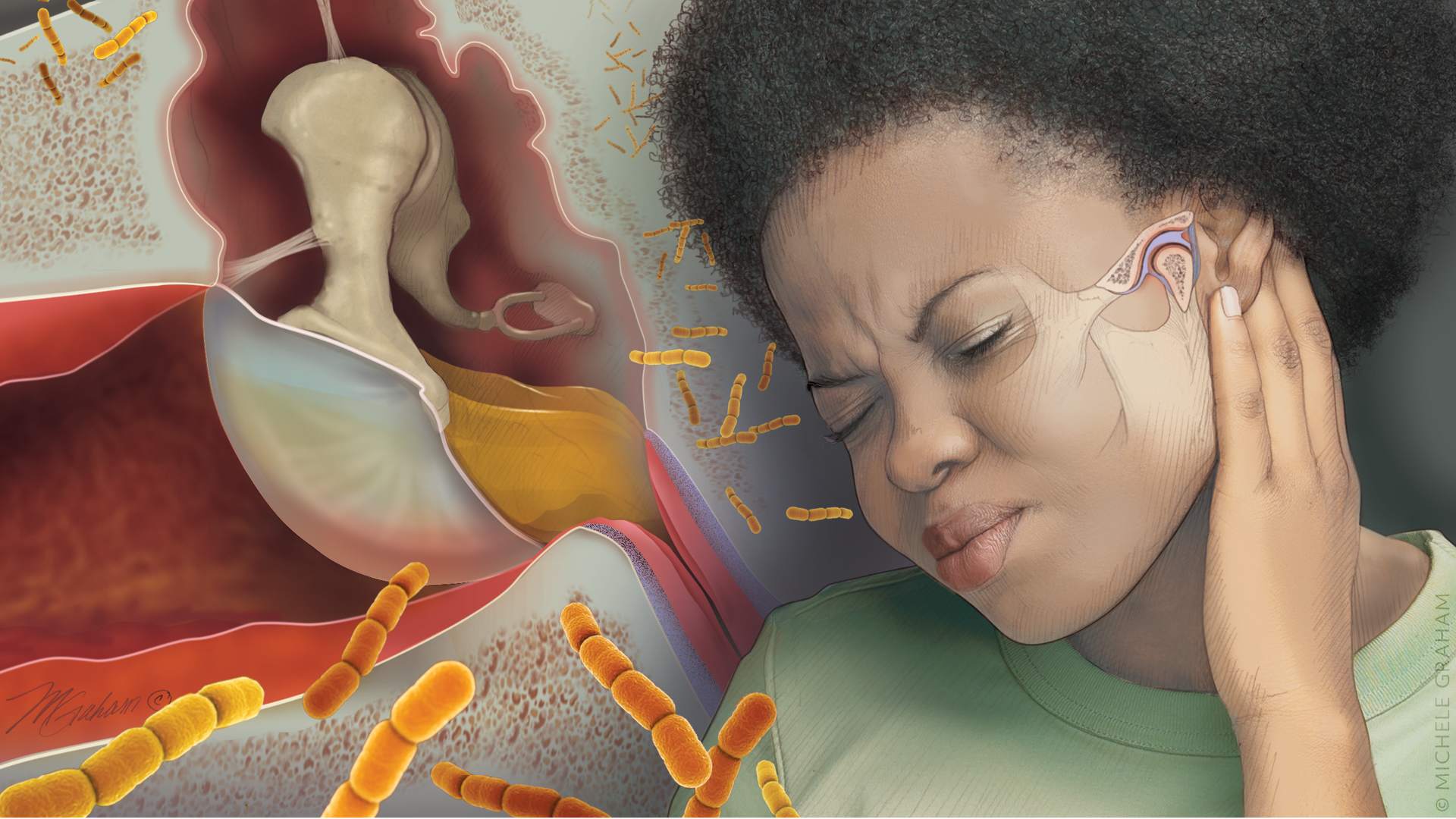
Hearing loss is a prevalent, chronic condition in the United States; it is often gradual and progressive and is underreported by patients and undertreated by physicians. The impaired ability to effectively hear and communicate may result in negative emotional, cognitive, economic, and social consequences for individuals and may pose a safety risk. Questionnaires and smartphone apps are available to help identify and evaluate self-perceived hearing loss. Physicians should assess for objective hearing impairment when the patient or family member raises a concern or if cognitive or mood symptoms are present that could be influenced by hearing loss. Three types of hearing loss exist: conductive, sensorineural, and mixed. Pure-tone audiometry uses an audiometer and is reported on an audiogram; it is the most accurate method for hearing loss detection. It can be used for screening or comprehensive testing when combined with tympanometry, speech-reception thresholds, and word-recognition testing. Audiograms that show a unilateral or asymmetrical sensorineural hearing loss can be signs of retrocochlear pathology and warrant additional evaluation by an audiologist and otolaryngologist as well as imaging studies. Medicare Parts A and B do not pay for hearing aids, although some Medicare Advantage (Part C) or supplemental plans may provide insurance coverage for hearing aids. Less expensive, over-the-counter hearing aids may help mild to moderate hearing loss. Family physicians should counsel patients on the importance of protecting their hearing.

Hearing loss is one of the most prevalent chronic conditions in the United States, and it affects approximately 16% of the U.S. adult population.1 Consistent use of face masks during the COVID-19 pandemic sometimes revealed undiagnosed hearing loss, and patients with known hearing loss, especially those who are lip readers, experienced daily difficulties in understanding speech.2 Hearing loss is often gradual and progressive and is underreported by patients and undertreated by physicians.1,3 Untreated hearing loss has been associated with poorer objective physical functioning in older adults, increased risk for disability, and poorer quality of life.3 Hearing loss may result in negative emotional, cognitive, economic, and social consequences for individuals and may pose a safety risk.3–5

SORT: KEY RECOMMENDATIONS FOR PRACTICE
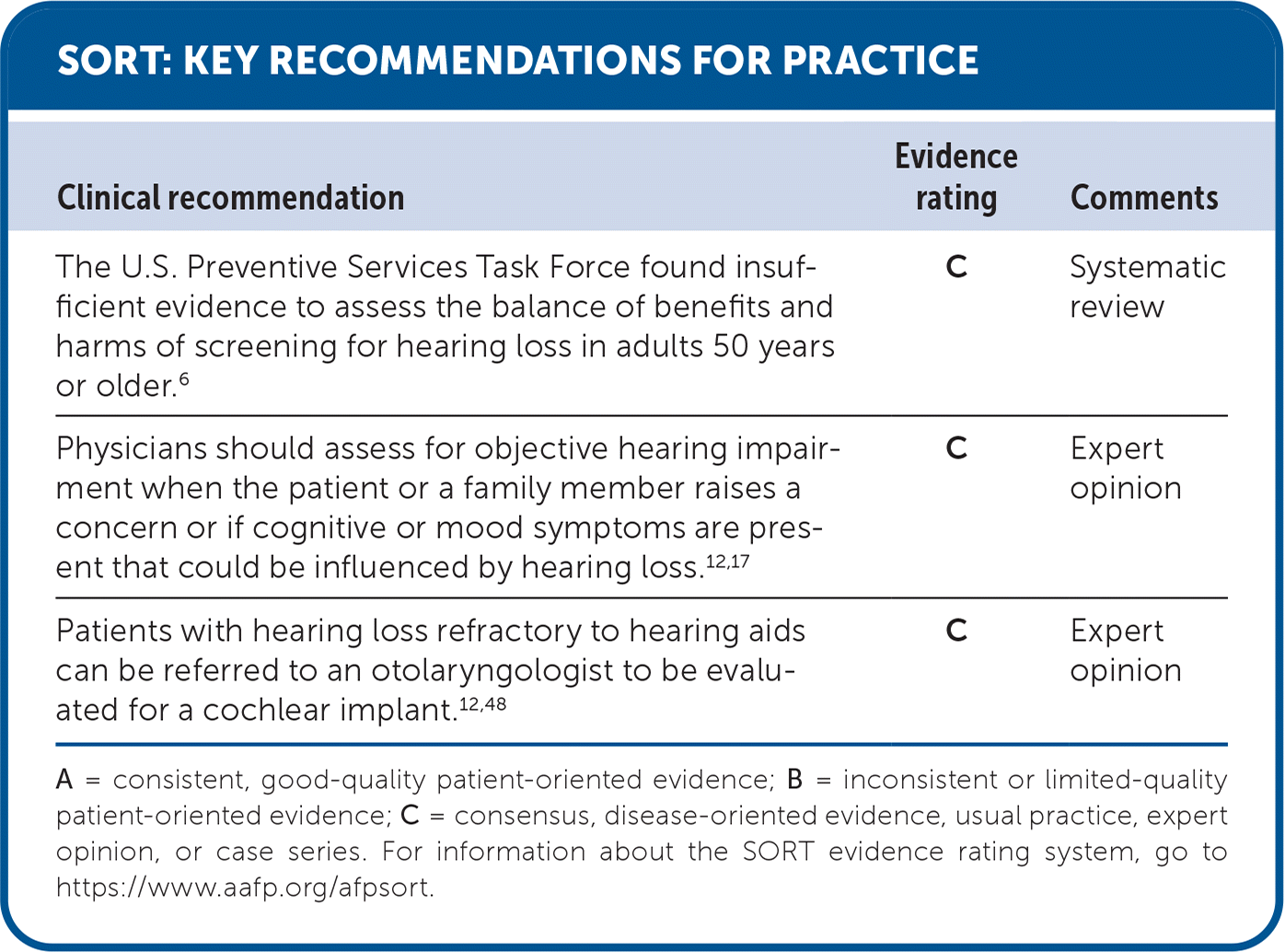
A = consistent, good-quality patient-oriented evidence; B = inconsistent or limited-quality patient-oriented evidence; C = consensus, disease-oriented evidence, usual practice, expert opinion, or case series. For information about the SORT evidence rating system, go to https://www.aafp.org/afpsort.

MANDI SEHGAL, MD, is the program director of the Geriatric Medicine Fellowship at the Cleveland Clinic Florida, Weston, and a clinical affiliate professor at Florida Atlantic University Charles E. Schmidt College of Medicine, Boca Raton.

ALEXANDRA SELLERS, AuD, CCC-A, is a clinical audiologist in the Department of Otolaryngology at the Cleveland Clinic Florida.

WENDY S. BIGGS, MD, is a professor of family medicine at Central Michigan University College of Medicine, Saginaw.

Address correspondence to Mandi Sehgal, MD (sehgalm@ccf.org). Reprints are not available from the authors.

Author disclosure: No relevant financial relationships.

  1. 1.Mahboubi H, Lin HW, Bhattacharyya N. Prevalence, characteristics, and treatment patterns of hearing difficulty in the United States. JAMA Otolaryngol Head Neck Surg. 2018;144(1):65-70.
  2. 2.Poon BT, Jenstad LM. Communication with face masks during the COVID-19 pandemic for adults with hearing loss. Cogn Res Princ Implic. 2022;7(1):24.
  3. 3.Goman AM, Reed NS, Lin FR. Addressing estimated hearing loss in adults in 2060. JAMA Otolaryngol Head Neck Surg. 2017;143(7):733-734.
  4. 4.Loughrey DG, Kelly ME, Kelley GA, et al. Association of age-related hearing loss with cognitive function, cognitive impairment, and dementia: a systematic review and meta-analysis [published correction appears in JAMA Otolaryngol Head Neck Surg. 2018;144(2):176]. JAMA Otolaryngol Head Neck Surg. 2018;144(2):115-126.
  5. 5.Thomson RS, Auduong P, Miller AT, et al. Hearing loss as a risk factor for dementia: a systematic review. Laryngoscope Investig Otolaryngol. 2017;2(2):69-79.
  6. 6.U.S. Preventive Services Task Force. Hearing loss in older adults: screening. March 23, 2021. Accessed April 8, 2023. https://www.uspreventiveservicestaskforce.org/uspstf/recommendation/hearing-loss-in-older-adults-screening
  7. 7.Zazove P, Plegue MA, McKee MM, et al. Effective hearing loss screening in primary care: the early auditory referral-primary care study. Ann Fam Med. 2020;18(6):520-527.
  8. 8.Yueh B, Piccirillo JF. Screening for hearing loss in older adults: insufficient evidence does not mean insufficient benefit. JAMA. 2021;325(12):1162-1163.
  9. 9.World Health Organization. Hearing screening: considerations for implementation. September 3, 2021. Accessed April 24, 2023. https://www.who.int/publications/i/item/9789240032767
  10. 10.Jordan J, Baiduc RR, Spankovich C. Hearing screening age considerations for adults: National Health and Nutrition Examination Survey. J Am Acad Audiol. 2022;33(2):58-65.
  11. 11.Agrawal Y, Platz EA, Niparko JK. Risk factors for hearing loss in US adults: data from the National Health and Nutrition Examination Survey, 1999 to 2002. Otol Neurotol. 2009;30(2):139-145.
  12. 12.Michels TC, Duffy MT, Rogers DJ. Hearing loss in adults: differential diagnosis and treatment. Am Fam Physician. 2019;100(2):98-108.
  13. 13.American Speech-Language-Hearing Association. Adult hearing screening. Accessed April 17, 2023. https://www.asha.org/practice-portal/professional-issues/adult-hearing-screening/#collapse_1
  14. 14.Occupational Safety and Health Administration; Centers for Disease Control and Prevention. Preventing hearing loss caused by chemical (ototoxicity) and noise exposure. Accessed September 20, 2023. https://www.cdc.gov/niosh/docs/2018-124/pdfs/2018-124.pdf?id=10.26616/NIOSHPUB2018124
  15. 15.Ganesan P, Schmiedge J, Manchaiah V, et al. Ototoxicity: a challenge in diagnosis and treatment. J Audiol Otol. 2018;22(2):59-68.
  16. 16.Dunlap PM, Khoja SS, Whitney SL, et al. Assessment of health care utilization for dizziness in ambulatory care settings in the United States. Otol Neurotol. 2019;40(9):e918-e924.
  17. 17.Tatum PE, Talebreza S, Ross JS. Geriatric assessment: an office-based approach. Am Fam Physician. 2018;97(12):776-784.
  18. 18.Chandrasekhar SS, Tsai Do BS, Schwartz SR, et al. Clinical practice guideline: sudden hearing loss (update). Otolaryngol Head Neck Surg. 2019;161(1suppl):S1-S45.
  19. 19.Ventry IM, Weinstein BE. The hearing handicap inventory for the elderly: a new tool. Ear Hear. 1982;3(3):128-134.
  20. 20.Schow RL, Nerbonne MA. Communication screening profile: use with elderly clients. Ear Hear. 1982;3(3):135-147.
  21. 21.The National Hearing Test. Accessed April 24, 2023. https://www.nationalhearingtest.org/wordpress/?page_id=2730
  22. 22.Irace AL, Sharma RK, Reed NS, et al. Smartphone-based applications to detect hearing loss: a review of current technology. J Am Geriatr Soc. 2021;69(2):307-316.
  23. 23.Melo IMM, Silva ARX, Camargo R, et al. Accuracy of smartphone-based hearing screening tests: a systematic review. Codas. 2022;34(3):e20200380.
  24. 24.Feltner C, Wallace IF, Kistler CE, et al. Screening for hearing loss in older adults: an evidence review for the U.S. Preventive Services Task Force. Evidence synthesis no. 200. Agency for Healthcare Research and Quality; 2021. Accessed April 14, 2023. https://www.ncbi.nlm.nih.gov/books/NBK569267/
  25. 25.Saliba J, Al-Reefi M, Carriere JS, et al. Accuracy of mobile-based audiometry in the evaluation of hearing loss in quiet and noisy environments. Otolaryngol Head Neck Surg. 2017;156(4):706-711.
  26. 26.Frank A, Goldlist S, Fraser AEM, et al. Validation of SHOEBOX QuickTest hearing loss screening tool in individuals with cognitive impairment. Front Digit Health. 2021;3:724997.
  27. 27.Lycke M, Debruyne PR, Lefebvre T, et al. The use of uHear™ to screen for hearing loss in older patients with cancer as part of a comprehensive geriatric assessment. Acta Clin Belg. 2018;73(2):132-138.
  28. 28.American National Standards Institute. Maximum permissible ambient noise levels for audiometric test rooms. Accessed October 23, 2023. https://webstore.ansi.org/standards/asa/asaansis31999r2023
  29. 29.American National Standards Institute. Specification for audiometers. Accessed October 23, 2023. https://webstore.ansi.org/standards/asa/asaansis32018r2023
  30. 30.Baxter. Welch Allyn AudioScope 3 screening audiometer. Accessed October 21, 2023. https://www.hillrom.com/en/products/audioscope-3-screening-audiometer/
  31. 31.Norrix LW, Rubiano V, Muller T. Estimating nonorganic hearing thresholds using binaural auditory stimuli. Am J Audiol. 2017;26(4):486-495.
  32. 32.Fischer ME, Cruickshanks KJ, Schubert CR, et al. Age-related sensory impairments and risk of cognitive impairment. J Am Geriatr Soc. 2016;64(10):1981-1987.
  33. 33.Mahomed F, Swanepoel DW, Eikelboom RH, et al. Validity of automated threshold audiometry: a systematic review and meta-analysis. Ear Hear. 2013;34(6):745-752.
  34. 34.U.S. Department of Labor; Occupational Safety and Health Administration. Regulations: 1910.95 occupational noise exposure. Accessed October 21, 2023. https://www.osha.gov/laws-regs/regulations/standardnumber/1910/1910.95
  35. 35.American Academy of Audiology. Position statement: audiology assistants. March 2021. Accessed October 19, 2023. https://www.audiology.org/wp-content/uploads/2021/05/Position_Statement-Audiology_Assistants_Final-3.2021.pdf
  36. 36.American Speech-Language-Hearing Association. Audiology assistants. Accessed October 21, 2023. https://www.asha.org/Practice-Portal/Professional-Issues/Audiology-Assistants/
  37. 37.Katz J, Lezynski J. Clinical masking. In: Katz J, ed. Handbook of Clinical Audiology. 5th ed. Lippincott, Williams, and Wilkins; 2002: 124–141.
  38. 38.Walker JJ, Cleveland LM, Davis JL, et al. Audiometry screening and interpretation. Am Fam Physician. 2013;87(1):41-47.
  39. 39.Carl AC, Hohman MH, Cornejo J. Audiology pure tone evaluation. Updated March 1, 2023. StatPearls. National Library of Medicine. Accessed April 8, 2023. https://www.ncbi.nlm.nih.gov/books/NBK580531/
  40. 40.Eggermont JJ. Types of hearing loss. In: Eggermont, JJ, ed. Hearing Loss: Causes, Prevention, and Treatment. Academic Press; 2017: 129–173.
  41. 41.Martin FN, Clark JG. The human ear and simple tests of hearing. In: Martin FN, Clark JG, eds. Introduction to Audiology. 11th ed. Pearson Education; 2012: 17–29.
  42. 42.American Academy of Otolaryngology–Head and Neck Surgery. Position statement: red flags—warning of ear disease. April 21, 2021. Accessed September 10, 2023. https://www.entnet.org/resource/position-statement-red-flags-warning-of-ear-disease/
  43. 43.Centers for Medicare and Medicaid Services. Audiology services. Updated November 14, 2022. Accessed April 14, 2023. https://www.cms.gov/audiology-services
  44. 44.Medicare.gov. Hearing aids. Accessed April 24, 2023. https://www.medicare.gov/coverage/hearing-aids
  45. 45.Medicare.gov. Hearing and balance exams. Accessed April 24, 2023. https://www.medicare.gov/coverage/hearing-balance-exams
  46. 46.Federal Register. Medical devices; ear, nose, and throat devices; establishing over-the-counter hearing aids. August 17, 2022. Accessed April 24, 2023. https://www.federalregister.gov/documents/2022/08/17/2022-17230/medical-devices-ear-nose-and-throat-devices-establishing-over-the-counter-hearing-aids
  47. 47.Unwin BK, D’Amora JM, O’Shaughnessy C. What physicians need to know about over-the-counter hearing aids [Curbside Consultation]. Am Fam Physician. 2024;109(3):279-283.
  48. 48.American Academy of Otolaryngology–Head and Neck Surgery. Position statement: cochlear implants. April 5, 2021. Accessed October 14, 2023. https://www.entnet.org/resource/position-statement-cochlear-implants
  49. 49.Byeon H. Associations between adolescents’ earphone usage in noisy environments, hearing loss, and self-reported hearing problems in a nationally representative sample of South Korean middle and high school students. Medicine (Baltimore). 2021;100(3):e24056.
  50. 50.Sliwinska-Kowalska M. New trends in the prevention of occupational noise-induced hearing loss. Int J Occup Med Environ Health. 2020;33(6):841-848.
  51. 51.Naik K, Pai S. High frequency hearing loss in students used to ear phone music: a randomized trial of 1,000 students. Indian J Otol. 2014;20(1):29-32.
  52. 52.Centers for Disease Control and Prevention. Occupational noise exposure. June 1998. Accessed April 25, 2023. https://www.cdc.gov/niosh/docs/98-126/default.html
  53. 53.Centers for Disease Control and Prevention. Preventing noise-induced hearing loss. Accessed April 25, 2023. https://www.cdc.gov/ncbddd/hearingloss/noise.html

Copyright © 2026 by the American Academy of Family Physicians.

This content is owned by the AAFP. A person viewing it online may make one printout of the material and may use that printout only for his or her personal, non-commercial reference. This material may not otherwise be downloaded, copied, printed, stored, transmitted or reproduced in any medium, whether now known or later invented, except as authorized in writing by the AAFP. See permissions for copyright questions and/or permission requests.