

Diabetic ketoacidosis (DKA) is a life-threatening complication of type 1 and type 2 diabetes resulting from an absolute or relative insulin deficiency. It can occur in patients of all ages and can be the initial presentation of diabetes, especially in young children. Polyuria and polydipsia are the most common symptoms, followed by nausea, vomiting, abdominal pain, weight loss, severe fatigue, dyspnea, and preceding febrile illness. Traditionally, DKA has been diagnosed by the triad of hyperglycemia (blood glucose greater than 250 mg/dL), metabolic acidosis (pH less than 7.3, serum bicarbonate less than 18 mEq/L, anion gap greater than 10 mEq/L), and elevated serum (preferred) or urine ketones. However, hyperglycemia has been de-emphasized in recent guidelines because of the increasing incidence of euglycemic DKA. The use of sodium-glucose cotransporter-2 inhibitors modestly increases the risk of DKA and euglycemic DKA. Electrolytes, phosphate, blood urea nitrogen, creatinine, urinalysis, complete blood cell count with differential, A1C, and electrocardiography should be evaluated for all patients diagnosed with DKA to identify causes and complications of DKA. Amylase, lipase, hepatic transaminase levels, troponin, creatine kinase, blood and urine cultures, and chest radiography are additional tests to consider. Treatment involves fluid and electrolyte replacement, insulin, treatment of precipitating causes, and close monitoring to adjust therapy and identify complications. Prevention strategies include identifying diabetes before DKA develops, educating patients to manage high-risk situations, and ensuring uninterrupted access to therapies for diabetes.
Hospital admissions for diabetic ketoacidosis (DKA) have been increasing in the United States. Episodes of DKA per 10,000 hospital admissions were 32.04 in 2003, 53.4 in 2014, and 61.6 in 2017.1 Among these patients, the incidence of in-hospital mortality ranged from 0.33% to 1.1% from 2000 to 2017.1–3 DKA is the leading cause of lost life-years for patients younger than 50 years who have type 1 diabetes.4
WHAT'S NEW ON THIS TOPIC
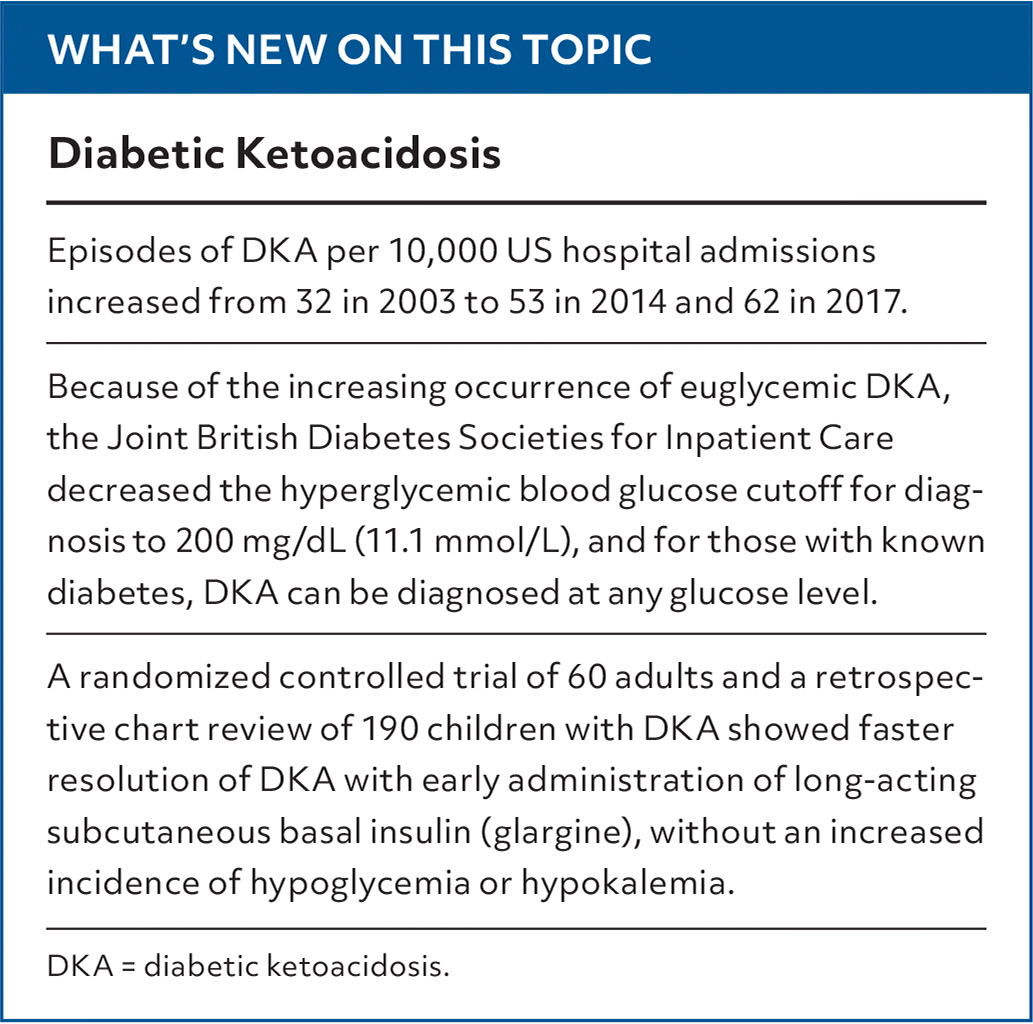
| Episodes of DKA per 10,000 US hospital admissions increased from 32 in 2003 to 53 in 2014 and 62 in 2017. |
| Because of the increasing occurrence of euglycemic DKA, the Joint British Diabetes Societies for Inpatient Care decreased the hyperglycemic blood glucose cutoff for diagnosis to 200 mg/dL (11.1 mmol/L), and for those with known diabetes, DKA can be diagnosed at any glucose level. |
| A randomized controlled trial of 60 adults and a retrospective chart review of 190 children with DKA showed faster resolution of DKA with early administration of long-acting subcutaneous basal insulin (glargine), without an increased incidence of hypoglycemia or hypokalemia. |
DKA = diabetic ketoacidosis.
SORT: KEY RECOMMENDATIONS FOR PRACTICE
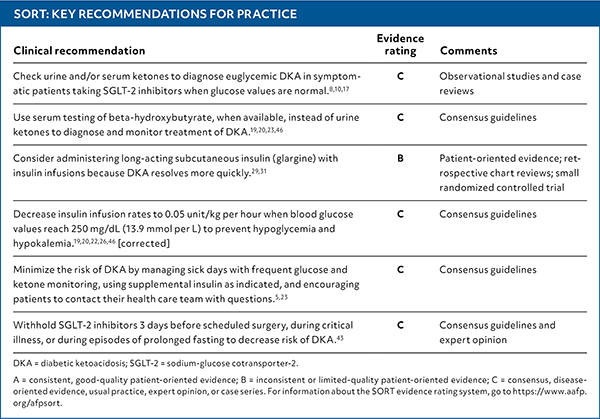
DKA = diabetic ketoacidosis; SGLT-2 = sodium-glucose cotransporter-2.
A = consistent, good-quality patient-oriented evidence; B = inconsistent or limited-quality patient-oriented evidence; C = consensus, disease-oriented evidence, usual practice, expert opinion, or case series. For information about the SORT evidence rating system, go to https://www.aafp.org/afpsort.
Read the full article
Get immediate access, anytime, anywhere.
Choose a single article, issue, or full-access subscription.
Earn up to 14 CME credits per issue.
