

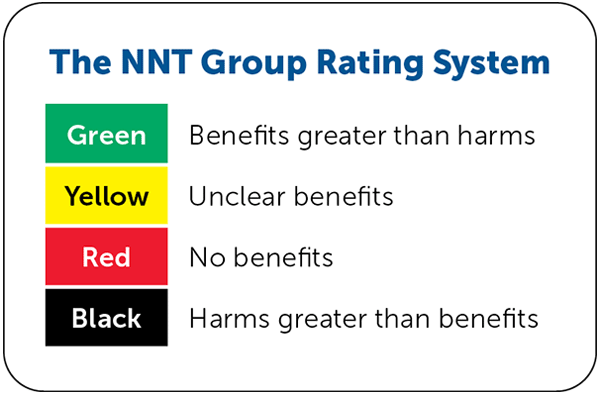
DETAILS FOR THIS REVIEW
Study Population: 37 randomized controlled trials, including 3,201 individuals 15 years or older, that compared multiple proposed pharmacotherapies for cannabis use disorder
Efficacy End Points: Abstinence from cannabis at the end of treatment (self-report, urine drug screen, or both); amount of cannabis use at end of treatment (self-report, urine drug screen, or both); number of participants engaged in further treatment
Harm End Points: Intensity of withdrawal, adverse events, severe adverse events, and withdrawal from treatment due to adverse events
Narrative: Alcohol and tobacco use are steadily declining in the United States, but cannabis use is rising, with an average of 37 million people in the United States reporting use of cannabis products in the last month.1 Tetrahydrocannabinol (THC) concentration in most cannabis products is increasing.2 As of May 2026, recreational cannabis use was legal in 24 states and Washington, DC, and this number is on trend to increase.3 A systematic review and meta-analysis suggests that approximately 1 in 5 individuals who use cannabis meet criteria for cannabis use disorder.4
Cannabis use disorder is defined as a problematic pattern of cannabis use causing clinically significant impairment or distress, marked by at least two specific symptoms occurring within 12 months.5 Symptoms include functional impairment, tolerance, withdrawal, loss of control, and continued use despite harm. With the growing trend of cannabis use, cannabis use disorder is also increasing, and treatment is more clinically relevant. Currently, no medications are approved by the US Food and Drug Administration for the treatment of cannabis use disorder.
THE NUMBERS
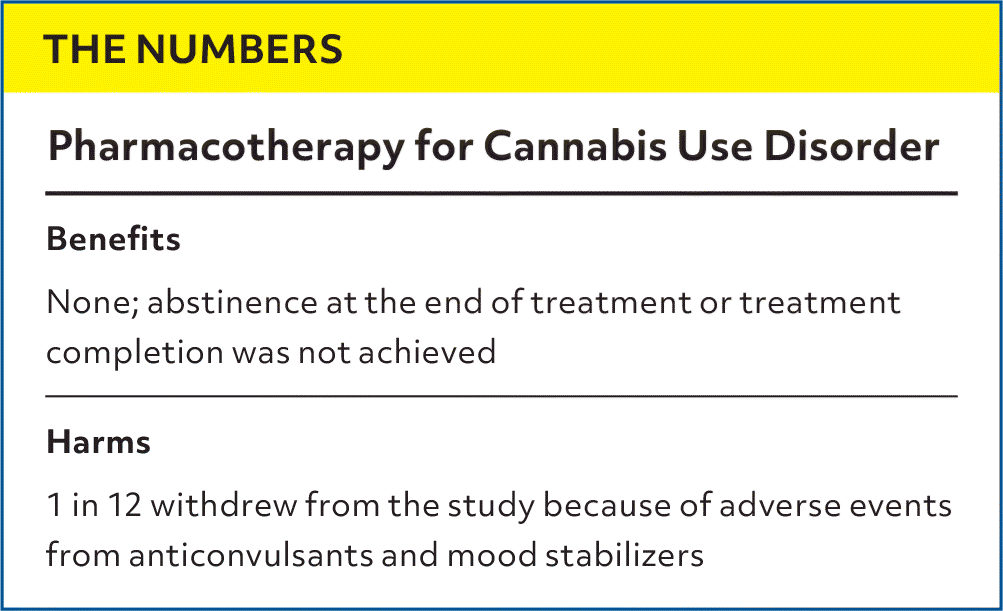
| Benefits |
| None; abstinence at the end of treatment or treatment completion was not achieved |
| Harms |
| 1 in 12 withdrew from the study because of adverse events from anticonvulsants and mood stabilizers |
The Cochrane review discussed here compiled results from 37 randomized controlled trials investigating a wide range of pharmacotherapies for the treatment of cannabis use disorder, including delta-9-THC, N-acetylcysteine, cannabidiol (CBD), anticonvulsants, and mood stabilizers compared with placebo and oxytocin plus psychotherapy compared with placebo plus psychotherapy.2
Most patients were male (56% to 92%), with a mean age of 22 to 41 years, although four studies examined patients 17 to 21 years of age. Twenty-nine studies were from the United States; studies from Australia, Canada, Israel, and the United Kingdom were also included. Five studies targeted participants with cannabis use disorder and comorbidities, including depression, bipolar disorder, and attention-deficit/hyperactivity disorder. Studied outcomes included abstinence rates and use of any cannabis at the end of treatment (commonly 28 days), any adverse events, withdrawal from treatment due to adverse events, and intensity of withdrawal symptoms (defined as self-reported scores on withdrawal scales, need for symptomatic treatment, or by an overall assessment from clinicians and participants). Studies that included participants with other substance use disorders (eg, nicotine) were excluded.
Compared with placebo, moderate- to low-certainty evidence demonstrated that THC preparations had no apparent difference in abstinence at the end of treatment, adverse events, serious adverse events, withdrawal due to adverse events, or treatment completion rates.
Read the full article
Get immediate access, anytime, anywhere.
Choose a single article, issue, or full-access subscription.
Earn up to 14 CME credits per issue.
