Asthma exacerbations, defined as a deterioration in baseline symptoms or lung function, cause significant morbidity and mortality. Asthma action plans help patients triage and manage symptoms at home. In patients 12 years and older, home management includes an inhaled corticosteroid/formoterol combination for those who are not using an inhaled corticosteroid/long-acting beta2 agonist inhaler for maintenance, or a short-acting beta2 agonist for those using an inhaled corticosteroid/long-acting beta2 agonist inhaler that does not include formoterol. In children four to 11 years of age, an inhaled corticosteroid/formoterol inhaler, up to eight puffs daily, can be used to reduce the risk of exacerbations and need for oral corticosteroids. In the office setting, it is important to assess exacerbation severity and begin a short-acting beta2 agonist and oxygen to maintain oxygen saturations, with repeated doses of the short-acting beta2 agonist every 20 minutes for one hour and oral corticosteroids. Patients with severe exacerbations should be transferred to an acute care facility and treated with oxygen, frequent administration of a short-acting beta2 agonist, and corticosteroids. The addition of a short-acting muscarinic antagonist and magnesium sulfate infusion has been associated with fewer hospitalizations. Patients needing admission to the hospital require continued monitoring and systemic therapy similar to treatments used in the emergency department. Improvement in symptoms and forced expiratory volume in one second or peak expiratory flow to 60% to 80% of predicted values helps determine appropriateness for discharge. The addition of inhaled corticosteroids, consideration of stepping up asthma maintenance therapy, close follow-up, and education on asthma action plans are important next steps to prevent future exacerbations.
Asthma is a major public health problem that affects as many as 262 million children and adults globally and causes significant morbidity, mortality, and economic burden.1 Approximately 40% of patients with asthma have an exacerbation in their lifetime. Asthma exacerbations are responsible for more than 1.8 million emergency department visits and nearly 170,000 hospital admissions per year.2 Risk factors for exacerbations include poor symptom control, an exacerbation in the past year, poor medication adherence, incorrect inhaler technique, chronic sinusitis, and smoking.3–5 These risk factors can be appropriately managed in a primary care setting.6 Evaluation and management of asthma exacerbations vary across settings, including at home, in the office, in the emergency department, and during hospitalization. Physicians should provide careful postdischarge planning and follow-up. Recommendations for the evaluation and management of acute asthma exacerbations are based on the Global Initiative for Asthma (GINA) and National Asthma Education and Prevention Program (NAEPP) guidelines.
WHAT'S NEW ON THIS TOPIC
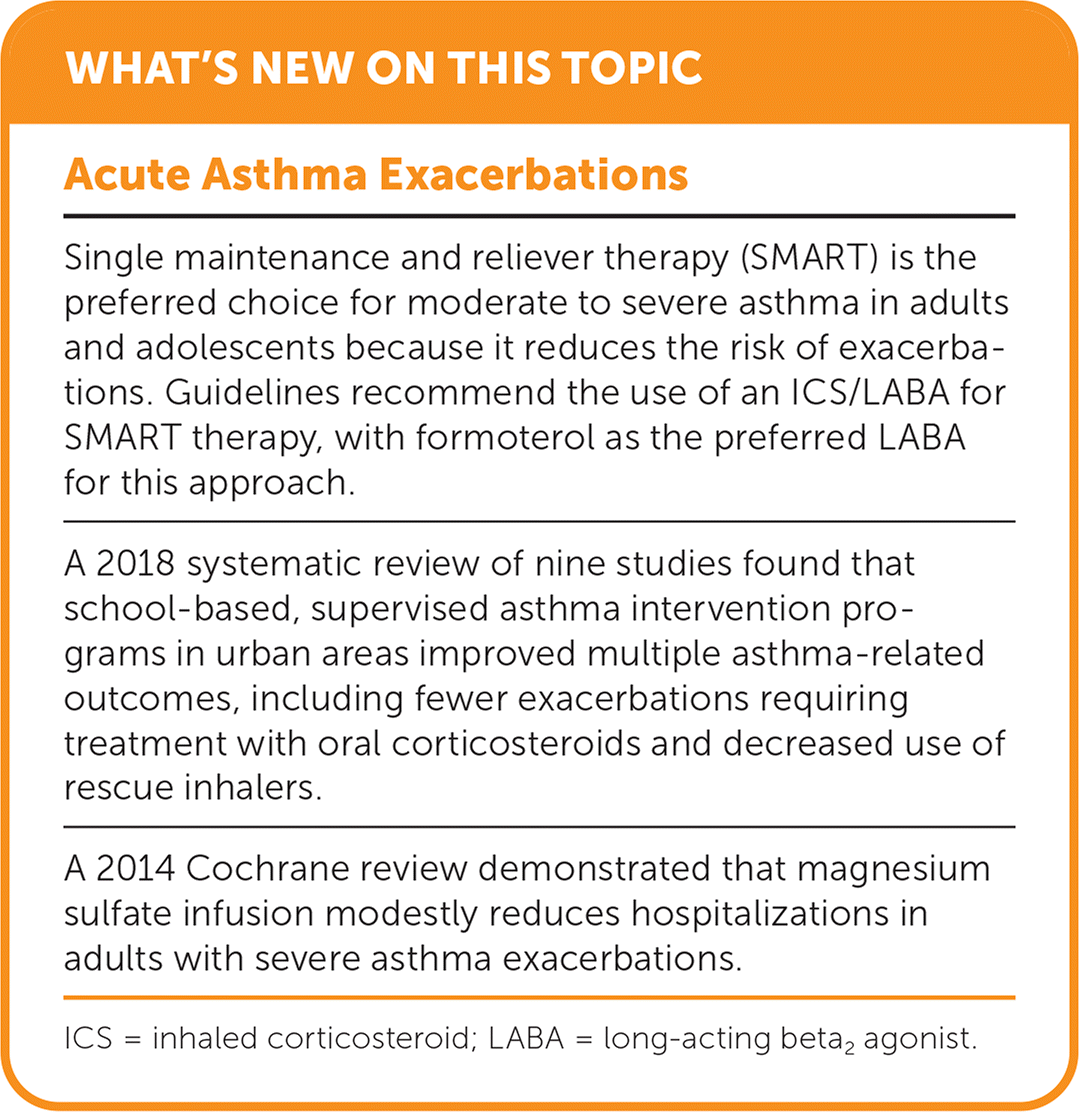
| Single maintenance and reliever therapy (SMART) is the preferred choice for moderate to severe asthma in adults and adolescents because it reduces the risk of exacerbations. Guidelines recommend the use of an ICS/LABA for SMART therapy, with formoterol as the preferred LABA for this approach. |
| A 2018 systematic review of nine studies found that school-based, supervised asthma intervention programs in urban areas improved multiple asthma-related outcomes, including fewer exacerbations requiring treatment with oral corticosteroids and decreased use of rescue inhalers. |
| A 2014 Cochrane review demonstrated that magnesium sulfate infusion modestly reduces hospitalizations in adults with severe asthma exacerbations. |
ICS = inhaled corticosteroid; LABA = long-acting beta2 agonist.
Read the full article
Get immediate access, anytime, anywhere.
Choose a single article, issue, or full-access subscription.
Earn up to 14 CME credits per issue.