

Acute Coronary Syndrome: Diagnosis and Initial Management

Raman Nohria, MD
Anthony J. Viera, MD, MPH

American Family Physician. 2024;109(1):34-42.

Author disclosure: No relevant financial relationships.

Acute coronary syndrome (ACS) is defined as reduced blood flow to the coronary myocardium manifesting as ST-segment elevation myocardial infarction or non–ST-segment elevation ACS, which includes unstable angina and non–ST-segment elevation myocardial infarction. Common risk factors include being at least 65 years of age or a current smoker or having hypertension, diabetes mellitus, hyperlipidemia, a body mass index greater than 25 kg per m2, or a family history of premature coronary artery disease. Symptoms most predictive of ACS include chest discomfort that is substernal or spreading to the arms or jaw. However, chest pain that can be reproduced with palpation or varies with breathing or position is less likely to signify ACS. Having a prior abnormal cardiac stress test result indicates increased risk. Electrocardiography changes that predict ACS include ST depression, ST elevation, T-wave inversion, or presence of Q waves. No validated clinical decision tool is available to rule out ACS in the outpatient setting. Elevated troponin levels without ST-segment elevation on electrocardiography suggest non–ST-segment elevation ACS. Patients with ACS should receive coronary angiography with percutaneous or surgical revascularization. Other important management considerations include initiation of dual antiplatelet therapy and parenteral anticoagulation, statin therapy, beta-blocker therapy, and sodium-glucose cotransporter-2 inhibitor therapy. Additional interventions shown to reduce mortality in patients who have had a recent myocardial infarction include smoking cessation, annual influenza vaccination, and cardiac rehabilitation.

Each year, acute coronary syndrome (ACS) affects more than 7 million people globally.1 ST-segment elevation myocardial infarction (STEMI) is responsible for 30% of cases, whereas non–ST-segment elevation ACS (NSTE ACS) accounts for the remaining 70%.2 Common risk factors include being at least 65 years of age or a current smoker or having hypertension, diabetes mellitus, hyperlipidemia, a body mass index greater than 25 kg per m2, or a family history of premature coronary artery disease (CAD).3 The most common symptom of ACS is acute chest pain, which accounts for approximately 1% of primary care visits and 5% of emergency department visits each year.4,5

WHAT'S NEW ON THIS TOPIC
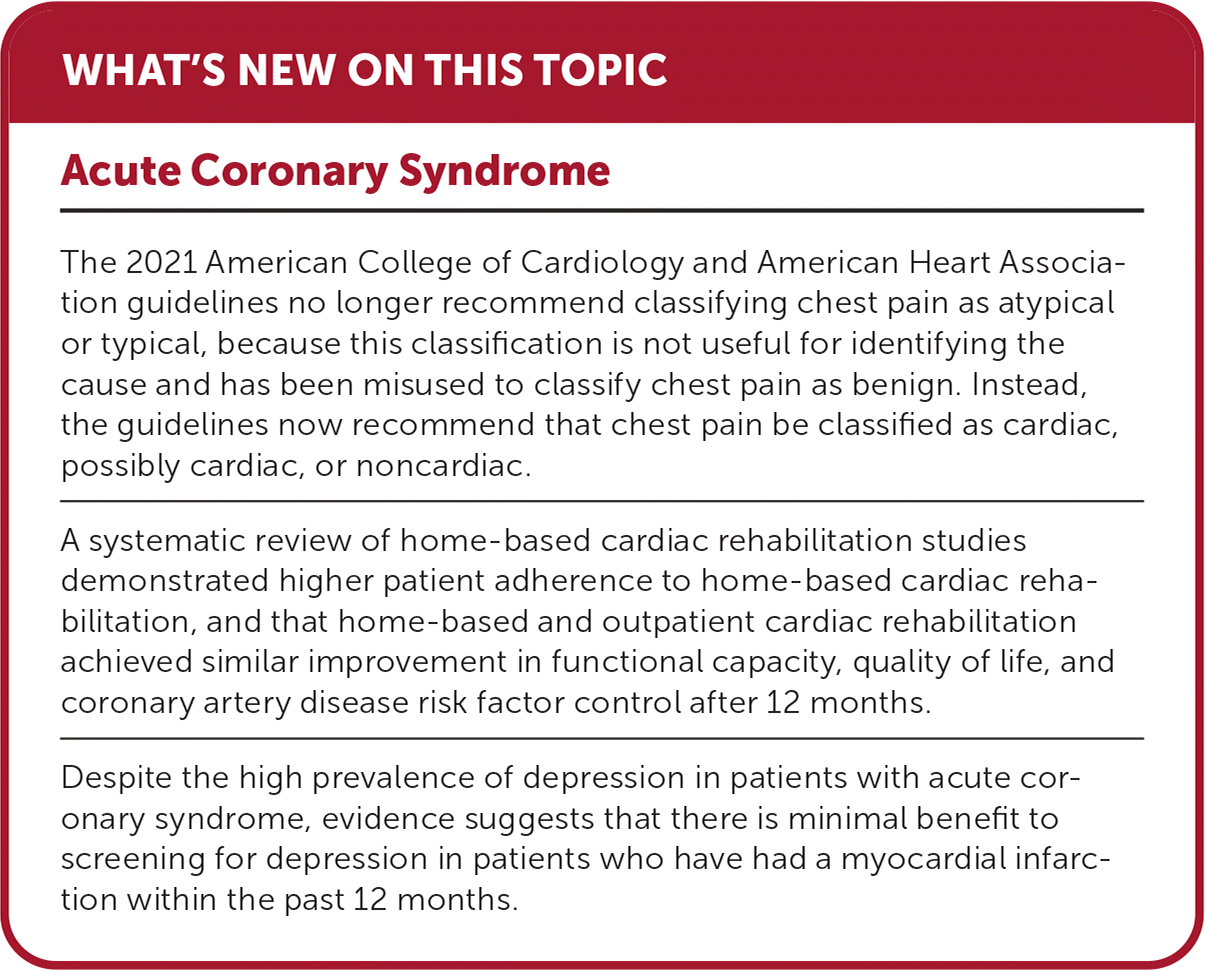
Acute Coronary Syndrome
The 2021 American College of Cardiology and American Heart Association guidelines no longer recommend classifying chest pain as atypical or typical, because this classification is not useful for identifying the cause and has been misused to classify chest pain as benign. Instead, the guidelines now recommend that chest pain be classified as cardiac, possibly cardiac, or noncardiac.
A systematic review of home-based cardiac rehabilitation studies demonstrated higher patient adherence to home-based cardiac rehabilitation, and that home-based and outpatient cardiac rehabilitation achieved similar improvement in functional capacity, quality of life, and coronary artery disease risk factor control after 12 months.
Despite the high prevalence of depression in patients with acute coronary syndrome, evidence suggests that there is minimal benefit to screening for depression in patients who have had a myocardial infarction within the past 12 months.

SORT: KEY RECOMMENDATIONS FOR PRACTICE
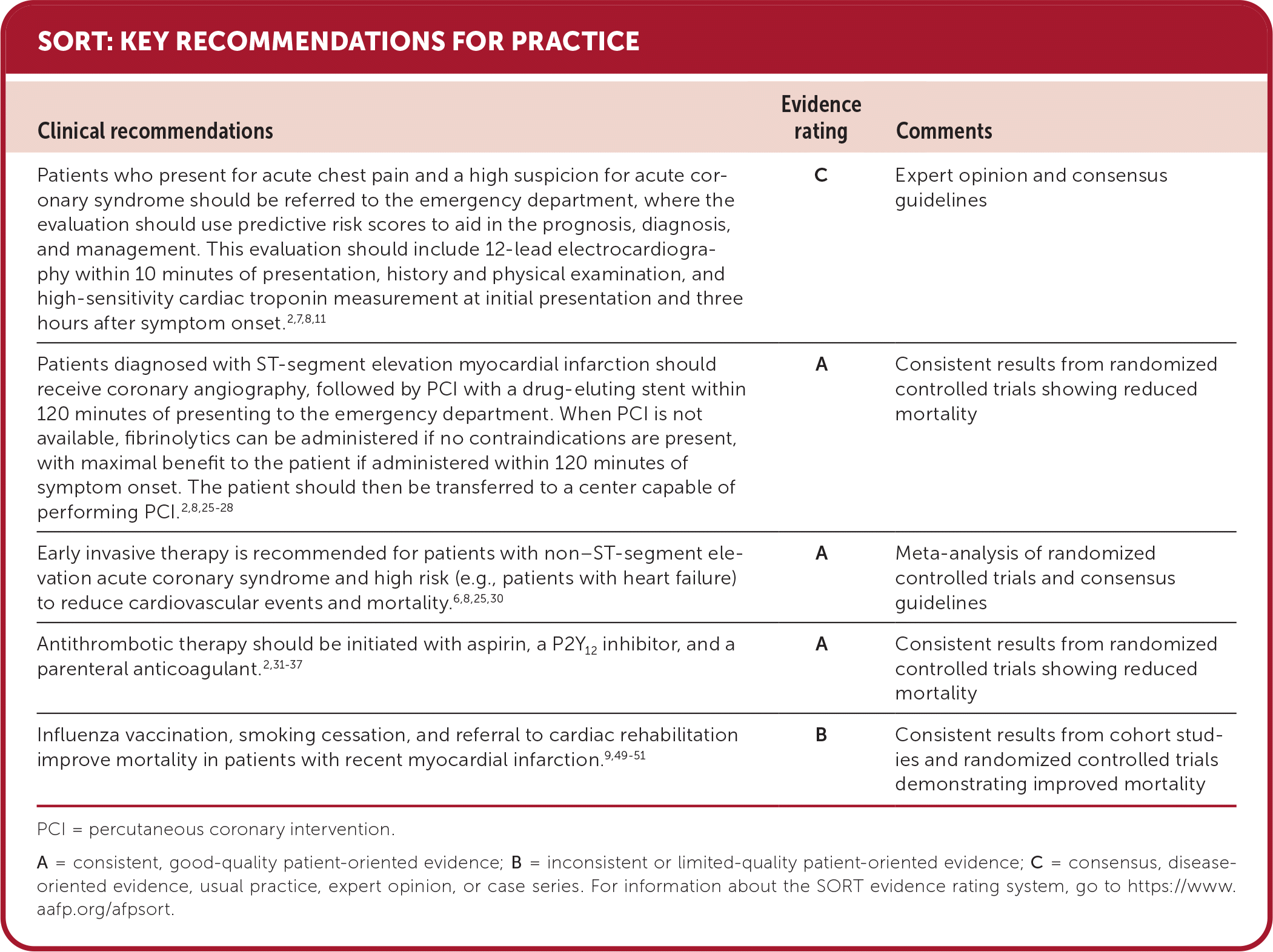
Clinical recommendations Evidence rating Comments
Patients who present for acute chest pain and a high suspicion for acute coronary syndrome should be referred to the emergency department, where the evaluation should use predictive risk scores to aid in the prognosis, diagnosis, and management. This evaluation should include 12-lead electrocardiography within 10 minutes of presentation, history and physical examination, and high-sensitivity cardiac troponin measurement at initial presentation and three hours after symptom onset.2,7,8,11 C Expert opinion and consensus guidelines
Patients diagnosed with ST-segment elevation myocardial infarction should receive coronary angiography, followed by PCI with a drug-eluting stent within 120 minutes of presenting to the emergency department. When PCI is not available, fibrinolytics can be administered if no contraindications are present, with maximal benefit to the patient if administered within 120 minutes of symptom onset. The patient should then be transferred to a center capable of performing PCI.2,8,2528 A Consistent results from randomized controlled trials showing reduced mortality
Early invasive therapy is recommended for patients with non–ST-segment elevation acute coronary syndrome and high risk (e.g., patients with heart failure) to reduce cardiovascular events and mortality.6,8,25,30 A Meta-analysis of randomized controlled trials and consensus guidelines
Antithrombotic therapy should be initiated with aspirin, a P2Y12 inhibitor, and a parenteral anticoagulant.2,3137 A Consistent results from randomized controlled trials showing reduced mortality
Influenza vaccination, smoking cessation, and referral to cardiac rehabilitation improve mortality in patients with recent myocardial infarction.9,4951 B Consistent results from cohort studies and randomized controlled trials demonstrating improved mortality

PCI = percutaneous coronary intervention.

A = consistent, good-quality patient-oriented evidence; B = inconsistent or limited-quality patient-oriented evidence; C = consensus, disease-oriented evidence, usual practice, expert opinion, or case series. For information about the SORT evidence rating system, go to https://www.aafp.org/afpsort.

Pathophysiology

ACS is caused by reduced blood flow to the coronary myocardium, which can result in heart muscle damage.2,68 The most common cause of hypoperfusion is atherosclerosis; other common causes include coronary artery spasm and dissection.

Definitions

STEMI is heart muscle damage confirmed with elevated troponin levels and ST-segment elevation on electrocardiography (ECG). NSTE ACS includes unstable angina (chest pain at rest with possible changes on ECG but without an elevated troponin level) and non–ST-segment elevation myocardial infarction, which is heart muscle damage confirmed diagnostically using elevated troponin levels and ECG changes without ST-segment elevation.

Initial Evaluation

HISTORY AND PHYSICAL EXAMINATION

Crushing, substernal chest discomfort is the typical presentation of ACS. The pain may spread to one or both arms or the jaw. It may be caused by exertion and associated with nausea, emesis, and diaphoresis. Men and women report symptoms with a significant overlap in presentation, and chest discomfort is the most common symptom for both.2,8 However, women may be more likely to experience accompanying nausea, pain that spreads to the shoulders, and shortness of breath.2,9,10 Studies comparing symptom presentations of men and women did not explicitly state how participant sex was identified. It should be noted that any disparities observed between men and women are likely driven by bias, or other factors aside from the symptom profile. Patients who are at least 65 years of age or have diabetes mellitus may be more likely to report shortness of breath instead of chest pain as their initial symptom6 and may also report vague abdominal pain.8

Symptoms most predictive of ACS include classic symptoms of crushing, substernal chest pain (likelihood ratio [LR] = 1.9; 95% CI, 0.9 to 2.9) and pain spreading to the arms (LR = 2.6; 95% CI, 1.8 to 3.7). Having a prior abnormal stress test result (LR = 3.1; 95% CI, 2.0 to 4.7) indicates higher risk of ACS. The likelihood of ACS is reduced when the patient reports chest pain that varies with breathing or position (LR = 0.5; 95% CI, 0.4 to 0.6) or pain that can be reproduced with chest palpation (LR = 0.3; 95% CI, 0.14 to 0.5).7,11

DIFFERENTIAL DIAGNOSIS FOR CHEST PAIN

Chest pain is the most commonly reported symptom for ACS, but the condition is only diagnosed in 2% to 4% of patients who present with this symptom.12,13 Other common causes of chest pain include stable angina (10%), chest wall pain or costochondritis (20% to 50%), gastroesophageal reflux (10% to 15%), and somatic discomfort (7.5%).12 Other emergent or life-threatening etiologies to consider include pulmonary embolism, aortic dissection, esophageal rupture, and tension pneumothorax.2,8

The 2021 American College of Cardiology and American Heart Association guidelines no longer recommend classifying chest pain as atypical or typical, because this classification is not useful for identifying the cause and has been misused to classify chest pain as benign.8 Instead, the guidelines now recommend that chest pain be classified as cardiac, possibly cardiac, or noncardiac.

RISK ASSESSMENT

There is no validated clinical decision tool with sufficient sensitivity to safely rule out ACS in the outpatient setting.14 However, outpatient clinicians can use the Marburg Heart Score to assess the likelihood of cardiac origin for intermittent chest pain15 (Table 18,11,16,17 ). This tool can help triage patients with intermittent chest pain who need more urgent evaluation in the emergency department. The tool uses a combination of age, sex, risk factors, and patient history to determine the likelihood that CAD is causing the patient's chest pain. ECG results are not considered.

TABLE 1. Risk Stratification of Chest Pain

CategoryMarburg Heart Score (outpatient)PointsHEART Score (inpatient)Points
IndicationsIntermittent chest pain in primary care patientsAcute chest pain in emergency department
Clinical historyIncreased pain with exercise
Pain not reproduced on chest wall palpation
Patient assumes pain is of cardiac origin
1
1
1
Highly suspicious for ACS based on clinical judgement
Moderately suspicious for ACS
Slightly or not suspicious for ACS
2
1
0
ElectrocardiographyNASignificant ST depression
Nonspecific repolarization
Normal
2
1
0
AgeWomen ≥ 65 years; men ≥ 55 years1≥ 65 years
45 to 64 years
< 45 years
2
1
0
Risk factorsKnown vascular disease1≥ 3 risk factors*
1 or 2 risk factors
No known risk factors
2
1
0
Troponin levelsNA> 3 times the normal limit
1 to 3 times the normal limit
≤ normal limit
2
1
0
Total points ___________Total points ___________
Risk interpretation
Low risk (at 6-month evaluation, LR of 0.04 that patient's chest pain is caused by underlying CAD)0 to 1Low risk (1.7% risk of MACE within 6 weeks)0 to 3
Intermediate risk (at 6-month evaluation, LR of 1 that patient's chest pain is caused by underlying CAD)2 to 3Intermediate risk (17% risk of MACE within 6 weeks)4 to 6
High risk (at 6-month evaluation, LR of 11 that patient's chest pain is caused by underling CAD)4 to 5High risk (50% risk of MACE within 6 weeks)7 to 10

Note: Marburg Heart Score calculator: https://www.mdcalc.com/calc/4022/marburg-heart-score-mhs; HEART Score calculator: https://www.mdcalc.com/calc/1752/heart-score-major-cardiac-events. Other calculators useful for risk stratification: INTERCHEST Clinical Prediction Rule for Chest Pain in Primary Care (https://www.mdcalc.com/calc/10225/interchest-clinical-prediction-rule-chest-pain-primary-care), and Thrombolysis in Myocardial Infarction risk score for unstable angina non-ST elevation myocardial infarction (https://www.mdcalc.com/calc/111/timi-risk-score-ua-nstemi).

ACS = acute coronary syndrome; CAD = coronary artery disease; LR = likelihood ratio; MACE = major adverse cardiac event; NA = not applicable.

*—Risk factors in HEART Score: hypertension, hyperlipidemia, diabetes mellitus, obesity (body mass index > 30 kg per m2), smoking (current smoker or quit less than 3 months from evaluation), family history of CAD, or personal history of atherosclerotic disease.

Information from references 8, 11, 16, and 17.

A low Marburg Heart Score (0 to 2) correlates with a 3% likelihood of CAD being the cause of the patient's chest pain. A score of 3 or more correlates with a 23% likelihood of CAD being the cause of the patient's chest pain, and they should be transferred to the emergency department for more urgent evaluation. Compared with other outpatient clinical decision aids, the Marburg Heart Score has been shown to have increased sensitivity and specificity for identifying CAD as the cause of chest pain compared with clinical judgement alone.14

Several clinical decision tools estimate cardiac risk and mortality in the emergency department or inpatient setting; two common examples are the HEART Score and the Thrombolysis in Myocardial Infarction risk score. The HEART Score is a clinical prediction tool designed to identify patients who warrant further workup for ACS based on their risk of major adverse cardiac events.11,16,18,19 For patients diagnosed with NSTE ACS, the Thrombolysis in Myocardial Infarction risk score determines the pooled risk of subsequent ischemic events or death.11

Diagnostic Studies

ELECTROCARDIOGRAPHY

Electrocardiography should be performed in patients with possible cardiac chest pain.2,8 If ACS is suspected based on clinical judgement, priority should be given to transferring the patient immediately to the nearest emergency department over performing ECG. When ECG is performed in the outpatient clinical setting, it should be compared with the patient's baseline ECG results, if available, to assess for changes. For patients presenting to the emergency department, ECG should be performed within 10 minutes of arrival and followed with serial ECG tests, because 5% of patients with ACS may initially present with normal ECG results.20 Evidence of ischemia on ECG that predicts ACS includes T-wave inversions (LR = 1.8; 95% CI, 1.3 to 2.7), presence of Q waves (LR = 3.6; 95% CI, 1.6 to 5.7), ST depression (LR = 5.3; 95% CI, 2.1 to 8.6), and ST elevation (LR = 3.6; 95% CI, 1.6 to 5.7).7,11,21 ECG findings that may obscure electrical changes signifying ischemia include the presence of a left bundle branch block, delta wave, or ventricular pacing.8

HIGH-SENSITIVITY CARDIAC TROPONIN

High-sensitivity cardiac troponin is an organ-specific, not disease-specific, biomarker. Measurement is typically ordered in the emergency department and is repeated because the level may not increase until several hours after the initial ACS event.22 Obtaining a creatinine kinase-myoglobin binding level with the high-sensitivity cardiac troponin level has little diagnostic use for confirming acute myocardial ischemia.23

IMAGING STUDIES

Physicians can consider using imaging studies, such as radiography of the chest, computed tomography of the chest, and point-of-care ultrasonography, if an alternative diagnosis to ACS is suspected.8 The use of point-of-care ultrasonography for echocardiography before coronary angiography as a diagnostic tool remains preliminary.24

STRESS TESTING AND CORONARY ANGIOGRAPHY

Once ACS is diagnosed, the next step is invasive coronary angiography for patients with STEMI, non–ST-segment elevation myocardial infarction, or suspected NSTE ACS with high-risk indicators (Figure 18,13,14,25 ). Risk stratification can determine further testing for patients with suspected NSTE ACS without diagnostic ECG findings or elevated troponin levels. High risk warrants invasive angiography; intermediate risk warrants noninvasive testing (such as coronary computed tomography angiography or stress testing); and low risk does not warrant any further testing.2,6,8

FIGURE 1.

Evaluation for acute coronary syndrome.

Information from references 8, 13, 14, and 25.

Initial Management Steps

OUTPATIENT SETTING

If there is clinical suspicion of ACS in the outpatient setting, the patient should be immediately transferred by ambulance to the emergency department.

OUTSIDE OF THE HOSPITAL

Patients en route to the emergency department with suspected ACS should be placed on cardiac monitoring and receive 162 to 325 mg of aspirin. Supplemental oxygen should be administered for patients with a pulse oximetry reading less than 90%. Sublingual nitroglycerin, 0.4 mg as needed up to once every five minutes, should be given for relief of chest pain if no contraindications are present (e.g., hypotension, suspicion of posterior myocardial infarction).7

STEMI

Patients with STEMI should receive coronary angiography, followed by percutaneous coronary intervention (PCI) with a drug-eluting stent within 120 minutes of presenting to the emergency department.2,2527 If PCI cannot be performed within 120 minutes of diagnosis, fibrinolytics should be administered if there are no contraindications.26,28 Fibrinolytics have maximal benefit if administered within 120 minutes. After fibrinolytics are administered, patients should be transferred to a center capable of performing PCI.28

NSTE ACS

Patients with NSTE ACS should typically undergo coronary angiography. Following angiography, 60% of patients will receive PCI, 10% will undergo bypass surgery, and 30% will be managed with medical therapy alone.29 Patients who receive early invasive treatment have lower mortality, with high-risk patients receiving the largest mortality benefit.2,6,8,25,30

PHARMACOLOGIC MANAGEMENT

Antithrombotic therapy should be initiated in all patients presenting with ACS2,3137 (Table 22,32 ). In the hospital, patients are usually started on aspirin, a P2Y12 inhibitor, and a parenteral anticoagulant (e.g., unfractionated heparin, low-molecular-weight heparin, direct thrombin inhibitors, or factor Xa inhibitors) and subsequently discharged on dual antiplatelet therapy. Patients on antithrombotic therapy should be monitored for bleeding, particularly gastrointestinal bleeding, in inpatient and outpatient settings. Dual anti-platelet therapy is typically continued for at least one year. Patients at high risk of bleeding may be eligible for a shorter duration; however, this determination should be made with cardiologist consultation.32

TABLE 2. Antiplatelet Agents for Acute Coronary Syndrome

AgentDrug classificationOnset of actionAdverse effectsMaintenance dose per day* Duration of therapyPerioperative considerationsContraindicationsCommon medication interactions
AspirinCyclooxygenase-1 inhibitor< 1 hour without enteric coating
3 to 4 hours with enteric coating
Bleeding, gastrointestinal ulcers81 mgOngoingContinue medicationAspirin allergy; consider providing desensitizationACE inhibitors, anticoagulants, CCBs (nondihydropyridine), loop diuretics, multi-vitamins, NSAIDs, SSRIs, steroids
ClopidogrelP2Y12 inhibitor2 to 4 hoursBleeding, rash, diarrhea75 mg1 yearHold 5 days before surgerySevere bleedingAnticoagulants, bupropion, CCBs, morphine, multivitamins, NSAIDs, PPIs, P2Y12 inhibitors, SSRIs
Prasugrel (Effient)P2Y12 inhibitor30 to 60 minutesBleeding, hypertension, headache10 mg1 yearHold 7 days before surgeryHistory of stroke or transient ischemic attackAnticoagulants, multivitamins, NSAIDs, P2Y12 inhibitors, SSRIs
Ticagrelor (Brilinta)P2Y12 inhibitor30 minutesBleeding, bradyarrhythmia, dyspnea90 mg twice daily1 yearHold 5 days before surgeryUse with caution in patients with baseline dyspneaAnticoagulants, multivitamins, NSAIDs, P2Y12 inhibitors, statins, SSRIs

ACE = angiotensin-converting enzyme; CCB = calcium channel blocker; NSAID = nonsteroidal anti-inflammatory drug; PPI = proton pump inhibitor; SSRI = selective serotonin reuptake inhibitor.

*—Higher doses are reserved for percutaneous coronary intervention.

†—Shorter or longer duration may be individualized to the patient based on risk of bleeding and future ischemic events. Duration of therapy should be determined with the patient's cardiologist.

Information from references 2 and 32.

Approximately 5% to 10% of patients with ACS have concomitant atrial fibrillation. Long-term oral anticoagulation medication is typically required in these patients, which increases the risk of bleeding when combined with a P2Y12 inhibitor and aspirin. Based on two randomized-controlled trials, it is recommended that patients with atrial fibrillation take aspirin with oral anticoagulation medication and a P2Y12 inhibitor for up to four weeks after PCI, then discontinue aspirin. One year after PCI, patients should take only oral anticoagulation medication to reduce the risk of future bleeding events without increasing the risk of future ischemic events.8,38

Other pharmacologic management considerations for ACS are listed in Table 3.2,3948 Patients with a recent myocardial infarction may be eligible for statin therapy, beta-blocker therapy, and sodium-glucose cotransporter-2 inhibitor therapy. Although the optimal duration of beta-blocker therapy after ACS is unknown, studies suggest that it can be reevaluated in two to three years if there are no other indications for beta-blocker therapy and patients are experiencing adverse effects.39

TABLE 3. Medication Management of Acute Coronary Syndrome

MedicationSpecial indicationsTarget daily dose* ContraindicationsAdverse effectsMonitoring and testing
StatinsRecommended for all patientsHigh-intensity dosing: atorvastatin 40 or 80 mg; rosuvastatin 20 or 40 mgActive liver disease or severely elevated liver transaminase levels (> 3 to 5 times the normal limit)Arthralgia, elevated liver transaminase levels, gas-trointestinal symptoms, headache, myalgiasObtain LFTs and lipid panel before initiation, consider creatine kinase levels in patients with symptoms of myopathy
EzetimibeConsider in patients already on maximally tolerated statin dose with low-density lipoprotein > 70 mg per dL (1.81 mmol per L)10 mgActive liver diseaseElevated hepatic enzymesObtain LFTs and lipid panel before initiation
Beta blockersRecommended for all patients; consider strongly if reduced LVEFVarious; consider stopping after 2 to 3 years if patient has adverse effects and no other indicationsSecond- or third-degree heart block, severe bradycardiaBronchospasm, decreased heart rate, depression, fatigue, hypoglycemia, sexual dysfunctionMonitor heart rate, consider discontinuation in patients with symptomatic bradycardia
ACE inhibitor/ARBConsider if patient has reduced LVEF or diabetes mellitus; ARB/neprilysin inhibitor may be preferred if LVEF < 40%VariousHistory of anaphylaxis or angioedemaCough/angioedema (more common with ACE inhibitor), hyperkalemia, hypotension, reduced estimated glomerular filtration rateMonitor blood pressure, recommend obtaining BMP before initiation and while on therapy; consider complete blood count for patients with underlying chronic kidney disease
Mineralocorticoid receptor antagonistsConsider if LVEF < 40%Spironolactone 12.5 or 25 mg; eplerenone 25 or 50 mgPotassium level > 5.5 mEq per L (5.5. mmol per L) or CrCl < 30 mL per minuteDecreased libido, fatigue, gynecomastia, headache, hyperkalemia, menstrual irregularitiesMonitor blood pressure and hydration status; obtain BMP and uric acid measurement before initiation and while on therapy
SGLT2 inhibitorConsider for all patients; consider strongly for those with diabetes or heart failure regardless of LVEFEmpagliflozin (Jardiance) 10 or 25 mg; dapagliflozin (Farxiga) 5 or 10 mgCrCl < 45 mL per minute for dapagliflozin; CrCl < 30 mL per minute for empagliflozinAcute kidney injury, euglycemic diabetic ketoacidosis, genitourinary tract infections, hypotensionMonitor blood pressure and hydration status, obtain BMP before initiation and while on therapy
GLP-1 agonistConsider if patient has diabetesVariousMedullary thyroid cancer, multiple endocrine neoplasia type 2, pancreatitisAcute kidney injury, gastrointestinal discomfort, gallbladder disease, pancreatitisConsider obtaining BMP and A1C level before initiation and while on therapy

*—All medications are recommended to be lifelong once initiated unless there are contraindications or significant adverse effects.

ACE = angiotensin-converting enzyme; ARB = angiotensin receptor blocker; BMP = basic metabolic panel; CrCl = creatinine clearance; GLP-1 = glucagon-like peptide-1; LFTs = liver function tests; LVEF = left ventricular ejection fraction; SGLT2 = sodium-glucose cotransporter-2.

Information from references 2 and 3948.

NONPHARMACOLOGIC MANAGEMENT

Several nonpharmacologic recommendations have also been shown to reduce mortality in patients with ACS. These include counseling patients on the importance of smoking cessation,49 ensuring patients receive annual influenza vaccination,50,51 and referring patients to cardiac rehabilitation.52

For patients who cannot participate in outpatient cardiac rehabilitation services, home-based cardiac rehabilitation may be an option. A systematic review of home-based cardiac rehabilitation studies demonstrated that patient adherence is higher at home, but home-based and outpatient cardiac rehabilitation programs achieved similar improvement in functional capacity, quality of life, and CAD risk factor control for patients after 12 months.53 Evidence did not consistently show benefits of home-based cardiac rehabilitation beyond 12 months.53 Third-party reimbursement discrepancies represent a major barrier to implementation of home-based cardiac rehabilitation.

Approximately 10% of patients with ACS will subsequently experience symptoms that are consistent with major depressive disorder.54 Despite the high prevalence of depression in patients with ACS, evidence suggests that there is only minimal benefit in screening for depression in patients who have had a myocardial infarction within the past 12 months.55

Recurrent cardiac events are common; up to 20% of patients experience a future ACS event within four years.2

This article updates previous articles on this topic by Switaj, et al.,56 Barstow, et al.,57 Achar, et al.,58 and Wiviott and Braunwald.59

Data Sources: A PubMed search was completed in Clinical Queries using the key terms unstable angina, acute coronary syndrome, NSTEMI, and STEMI. The search included meta-analyses, randomized-controlled trials, clinical trials, and reviews. The Agency for Healthcare Research and Quality Effective Healthcare Reports, the Cochrane database, DynaMed, and Essential Evidence Plus were also searched. We critically reviewed studies that used patient categories such as race and/or gender but did not define how these categories were assigned, stating their limitations in the text. Search dates: April 18 and November 29, 2023.

RAMAN NOHRIA, MD, is an assistant professor in the Department of Family Medicine and Community Health at Duke University School of Medicine, Durham, N.C.

ANTHONY J. VIERA, MD, MPH, is a professor in and chair of the Department of Family Medicine and Community Health at Duke University School of Medicine.

Address correspondence to Raman Nohria, MD, Duke University School of Medicine, 2200 West Main St., Ste. 400, Durham, NC 27705 (raman.nohria@duke.edu). Reprints are not available from the authors.

Author disclosure: No relevant financial relationships.

  1. 1.Reed GW, Rossi JE, Cannon CP. Acute myocardial infarction [published correction appears in Lancet. 2017; 389(10065): 156]. Lancet. 2017;389(10065):197-210.
  2. 2.Bhatt DL, Lopes RD, Harrington RA. Diagnosis and treatment of acute coronary syndromes: a review [published correction appears in JAMA. 2022; 327(17): 1710]. JAMA. 2022;327(7):662-675.
  3. 3.Roth GA, Johnson CO, Abate KH, et al.; Global Burden of Cardiovascular Diseases Collaboration. The burden of cardiovascular diseases among US states, 1990–2016. JAMA Cardiol. 2018;3(5):375-389.
  4. 4.Santo L, Okeyode T. National ambulatory medical care survey: 2018 national summary tables. https://www.cdc.gov/nchs/data/ahcd/namcs_summary/2018-namcs-web-tables-508.pdf
  5. 5.Cairns C, Kang K. National hospital ambulatory medical care survey: 2019 emergency department summary tables. https://www.cdc.gov/nchs/data/nhamcs/web_tables/2019-nhamcs-ed-web-tables-508.pdf
  6. 6.Collet JP, Thiele H, Barbato E, et al.; ESC Scientific Document Group. 2020 ESC guidelines for the management of acute coronary syndromes in patients presenting without persistent ST-segment elevation [published corrections appear in Eur Heart J. 2021; 42(19): 1908; Eur Heart J. 2021; 42(19): 1925; and Eur Heart J. 2021; 42(23): 2298]. Eur Heart J. 2021;42(14):1289-1367.
  7. 7.Harskamp RE, Fanaroff AC, Zhen SW, et al. Recognising acute coronary syndrome. BMJ. 2022;377:e069591.
  8. 8.Gulati M, Levy PD, Mukherjee D, et al. 2021 AHA/ACC/ASE/CHEST/SAEM/SCCT/SCMR guideline for the evaluation and diagnosis of chest pain: a report of the American College of Cardiology/American Heart Association Joint Committee on Clinical Practice Guidelines [published correction appears in Circulation. 2021; 144(22): e455]. Circulation. 2021;144(22):e368-e454.
  9. 9.van Oosterhout REM, de Boer AR, Maas AHEM, et al. Sex differences in symptom presentation in acute coronary syndromes: a systematic review and meta-analysis. J Am Heart Assoc. 2020;9(9):e014733.
  10. 10.Ferry AV, Anand A, Strachan FE, et al. Presenting symptoms in men and women diagnosed with myocardial infarction using sex-specific criteria. J Am Heart Assoc. 2019;8(17):e012307.
  11. 11.Fanaroff AC, Rymer JA, Goldstein SA, et al. Does this patient with chest pain have acute coronary syndrome?: The rational clinical examination systematic review. JAMA. 2015;314(18):1955-1965.
  12. 12.Klinkman MS, Stevens D, Gorenflo DW; Michigan Research Network. Episodes of care for chest pain: a preliminary report from MIRNET. J Fam Pract. 1994;38(4):345-352.
  13. 13.Will JC, Loustalot F, Hong Y. National trends in visits to physician offices and outpatient clinics for angina 1995 to 2010. Circ Cardiovasc Qual Outcomes. 2014;7(1):110-117.
  14. 14.Harskamp RE, Laeven SC, Himmelreich JC, et al. Chest pain in general practice: a systematic review of prediction rules. BMJ Open. 2019;9(2):e027081.
  15. 15.Haasenritter J, Bösner S, Vaucher P, et al. Ruling out coronary heart disease in primary care: external validation of a clinical prediction rule. Br J Gen Pract. 2012;62(599):e415-e421.
  16. 16.Backus BE, Six AJ, Kelder JC, et al. A prospective validation of the HEART score for chest pain patients at the emergency department. Int J Cardiol. 2013;168(3):2153-2158.
  17. 17.Bösner S, Haasenritter J, Becker A, et al. Ruling out coronary artery disease in primary care: development and validation of a simple prediction rule. CMAJ. 2010;182(12):1295-1300.
  18. 18.Six AJ, Cullen L, Backus BE, et al. The HEART score for the assessment of patients with chest pain in the emergency department: a multinational validation study. Crit Pathw Cardiol. 2013;12(3):121-126.
  19. 19.Melki D, Jernberg T. HEART score: a simple and useful tool that may lower the proportion of chest pain patients who are admitted. Crit Pathw Cardiol. 2013;12(3):127-131.
  20. 20.Body R, Carley S, Wibberley C, et al. The value of symptoms and signs in the emergent diagnosis of acute coronary syndromes. Resuscitation. 2010;81(3):281-286.
  21. 21.Tan NS, Goodman SG, Yan RT, et al. Comparative prognostic value of T-wave inversion and ST-segment depression on the admission electrocardiogram in non-ST-segment elevation acute coronary syndromes. Am Heart J. 2013;166(2):290-297.
  22. 22.Shah ASV, Sandoval Y, Noaman A, et al. Patient selection for high sensitivity cardiac troponin testing and diagnosis of myocardial infarction: prospective cohort study [published correction appears in BMJ. 2018; 360: k495]. BMJ. 2017;359:j4788.
  23. 23.Volz KA, McGillicuddy DC, Horowitz GL, et al. Creatine kinase-MB does not add additional benefit to a negative troponin in the evaluation of chest pain. Am J Emerg Med. 2012;30(1):188-190.
  24. 24.Piccioni A, Franza L, Rosa F, et al. Use of POCUS in chest pain and dyspnea in emergency department: what role could it have?. Diagnostics (Basel). 2022;12(7):1620.
  25. 25.Lawton JS, Tamis-Holland JE, Bangalore S, et al. 2021 ACC/AHA/SCAI guideline for coronary artery revascularization: a report of the American College of Cardiology/American Heart Association Joint Committee on Clinical Practice Guidelines [published correction appears in Circulation. 2022; 145(11): e772]. Circulation. 2022;145(3):e18-e114.
  26. 26.Ibanez B, James S, Agewall S, et al.; ESC Scientific Document Group. 2017 ESC guidelines for the management of acute myocardial infarction in patients presenting with ST-segment elevation: The task force for the management of acute myocardial infarction in patients presenting with ST-segment elevation of the European Society of Cardiology (ESC). Eur Heart J. 2018;39(2):119-177.
  27. 27.Keeley EC, Boura JA, Grines CL. Primary angioplasty versus intravenous thrombolytic therapy for acute myocardial infarction: a quantitative review of 23 randomised trials. Lancet. 2003;361(9351):13-20.
  28. 28.Armstrong PW, Gershlick AH, Goldstein P, et al.; STREAM Investigative Team. Fibrinolysis or primary PCI in ST-segment elevation myocardial infarction. N Engl J Med. 2013;368(15):1379-1387.
  29. 29.Bhatt DL. Percutaneous coronary intervention in 2018. JAMA. 2018;319(20):2127-2128.
  30. 30.Bavry AA, Kumbhani DJ, Rassi AN, et al. Benefit of early invasive therapy in acute coronary syndromes: a meta-analysis of contemporary randomized clinical trials. J Am Coll Cardiol. 2006;48(7):1319-1325.
  31. 31.Bhatt DL, Hulot JS, Moliterno DJ, et al. Antiplatelet and anticoagulation therapy for acute coronary syndromes. Circ Res. 2014;114(12):1929-1943.
  32. 32.Kamran H, Jneid H, Kayani WT, et al. Oral antiplatelet therapy after acute coronary syndrome: a review [published correction appears in JAMA. 2021; 326(2): 190]. JAMA. 2021;325(15):1545-1555.
  33. 33.Antithrombotic Trialists’ Collaboration. Collaborative meta-analysis of randomised trials of antiplatelet therapy for prevention of death, myocardial infarction, and stroke in high risk patients [published correction appears in BMJ. 2002; 324(7330): 141]. BMJ. 2002;324(7329):71-86.
  34. 34.Yusuf S, Zhao F, Mehta SR, et al.; Clopidogrel in Unstable Angina to Prevent Recurrent Events Trial Investigators. Effects of clopidogrel in addition to aspirin in patients with acute coronary syndromes without ST-segment elevation [published corrections appear in N Engl J Med. 2001; 345(23): 1716, and N Engl J Med. 2001; 345(20): 1506]. N Engl J Med. 2001;345(7):494-502.
  35. 35.Wiviott SD, Braunwald E, McCabe CH, et al.; TRITON-TIMI 38 Investigators. Prasugrel versus clopidogrel in patients with acute coronary syndromes. N Engl J Med. 2007;357(20):2001-2015.
  36. 36.Cannon CP, Harrington RA, James S, et al.; PLATelet Inhibition and Patient Outcomes Investigators. Comparison of ticagrelor with clopidogrel in patients with a planned invasive strategy for acute coronary syndromes (PLATO): a randomised double-blind study. Lancet. 2010;375(9711):283-293.
  37. 37.Schüpke S, Neumann FJ, Menichelli M, et al.; ISAR-REACT 5 Trial Investigators. Ticagrelor or prasugrel in patients with acute coronary syndromes. N Engl J Med. 2019;381(16):1524-1534.
  38. 38.Angiolillo DJ, Bhatt DL, Cannon CP, et al. Antithrombotic therapy in patients with atrial fibrillation treated with oral anticoagulation undergoing percutaneous coronary intervention: a North American perspective: 2021 update. Circulation. 2021;143(6):583-596.
  39. 39.Kim J, Kang D, Park H, et al. Long-term β-blocker therapy and clinical outcomes after acute myocardial infarction in patients without heart failure: nationwide cohort study. Eur Heart J. 2020;41(37):3521-3529.
  40. 40.Cannon CP, Blazing MA, Giugliano RP, et al.; IMPROVE-IT Investigators. Ezetimibe added to statin therapy after acute coronary syndromes. N Engl J Med. 2015;372(25):2387-2397.
  41. 41.Safi S, Sethi NJ, Nielsen EE, et al. Beta-blockers for suspected or diagnosed acute myocardial infarction. Cochrane Database Syst Rev. 2019(12):CD012484.
  42. 42.Pfeffer MA, Claggett B, Lewis EF, et al.; PARADISE-MI Investigators and Committees. Angiotensin receptor-neprilysin inhibition in acute myocardial infarction [published correction appears in N Engl J Med. 2021; 385(27): 2592]. N Engl J Med. 2021;385(20):1845-1855.
  43. 43.Zelniker TA, Wiviott SD, Raz I, et al. SGLT2 inhibitors for primary and secondary prevention of cardiovascular and renal outcomes in type 2 diabetes: a systematic review and meta-analysis of cardiovascular outcome trials [published correction appears in Lancet. 2019; 393(10166): 30]. Lancet. 2019;393(10166):31-39.
  44. 44.Anker SD, Butler J, Filippatos G, et al.; EMPEROR-Preserved Trial Investigators. Empagliflozin in heart failure with a preserved ejection fraction. N Engl J Med. 2021;385(16):1451-1461.
  45. 45.Packer M, Anker SD, Butler J, et al.; EMPEROR-Reduced Trial Investigators. Cardiovascular and renal outcomes with empagliflozin in heart failure. N Engl J Med. 2020;383(15):1413-1424.
  46. 46.Giugliano D, Maiorino MI, Bellastella G, et al. GLP-1 receptor agonists for prevention of cardiorenal outcomes in type 2 diabetes: an updated meta-analysis including the REWIND and PIONEER 6 trials. Diabetes Obes Metab. 2019;21(11):2576-2580.
  47. 47.Grundy SM, Stone NJ, Bailey AL, et al. 2018 AHA/ACC/AACVPR/AAPA/ABC/ACPM/ADA/AGS/APhA/ASPC/NLA/PCNA guideline on the management of blood cholesterol: executive summary: a report of the American College of Cardiology/American Heart Association Task Force on Clinical Practice Guidelines [published correction appears in J Am Coll Cardiol. 2019; 73(24): 3234–3237]. J Am Coll Cardiol. 2019;73(24):3168-3209.
  48. 48.Udell JA, Jones WS, Petrie MC, et al. Sodium glucose cotransporter-2 inhibition for acute myocardial infarction: JACC review topic of the week. J Am Coll Cardiol. 2022;79(20):2058-2068.
  49. 49.Biery DW, Berman AN, Singh A, et al. Association of smoking cessation and survival among young adults with myocardial infarction in the Partners YOUNG-MI Registry. JAMA Netw Open. 2020;3(7):e209649.
  50. 50.Fröbert O, Götberg M, Erlinge D, et al. Influenza vaccination after myocardial infarction: a randomized, double-blind, placebo-controlled, multicenter trial. Circulation. 2021;144(18):1476-1484.
  51. 51.Udell JA, Zawi R, Bhatt DL, et al. Association between influenza vaccination and cardiovascular outcomes in high-risk patients: a meta-analysis. JAMA. 2013;310(16):1711-1720.
  52. 52.Anderson L, Oldridge N, Thompson DR, et al. Exercise-based cardiac rehabilitation for coronary heart disease: Cochrane systematic review and meta-analysis. J Am Coll Cardiol. 2016;67(1):1-12.
  53. 53.Thomas RJ, Beatty AL, Beckie TM, et al. Home-based cardiac rehabilitation: a scientific statement from the American Association of Cardiovascular and Pulmonary Rehabilitation, the American Heart Association, and the American College of Cardiology. Circulation. 2019;140(1):e69-e89.
  54. 54.Nieuwsma JA, Williams JW, Namdari N, et al. Diagnostic accuracy of screening tests and treatment for post-acute coronary syndrome depression: a systematic review. Ann Intern Med. 2017;167(10):725-735.
  55. 55.Kronish IM, Moise N, Cheung YK, et al. Effect of depression screening after acute coronary syndromes on quality of life: The CODIACS-QoL randomized clinical trial [published correction appears in JAMA Intern Med. 2019; 179(12): 1739]. JAMA Intern Med. 2020;180(1):45-53.
  56. 56.Switaj TL, Christensen SR, Brewer DM. Acute coronary syndrome: current treatment. Am Fam Physician. 2017;95(4):232-240
  57. 57.Barstow C, Rice M, McDivitt JD. Acute coronary syndrome: diagnostic evaluation. Am Fam Physician. 2017;95(3):170-177.
  58. 58.Achar SA, Kundu S, Norcross WA. Diagnosis of acute coronary syndrome. Am Fam Physician. 2005;72(1):119-126.
  59. 59.Wiviott SD, Braunwald E. Unstable angina and non–ST-segment elevation myocardial infarction: part I. Initial evaluation and management, and hospital care. Am Fam Physician. 2004;70(3):525-532.

Copyright © 2026 by the American Academy of Family Physicians.

This content is owned by the AAFP. A person viewing it online may make one printout of the material and may use that printout only for his or her personal, non-commercial reference. This material may not otherwise be downloaded, copied, printed, stored, transmitted or reproduced in any medium, whether now known or later invented, except as authorized in writing by the AAFP. See permissions for copyright questions and/or permission requests.
