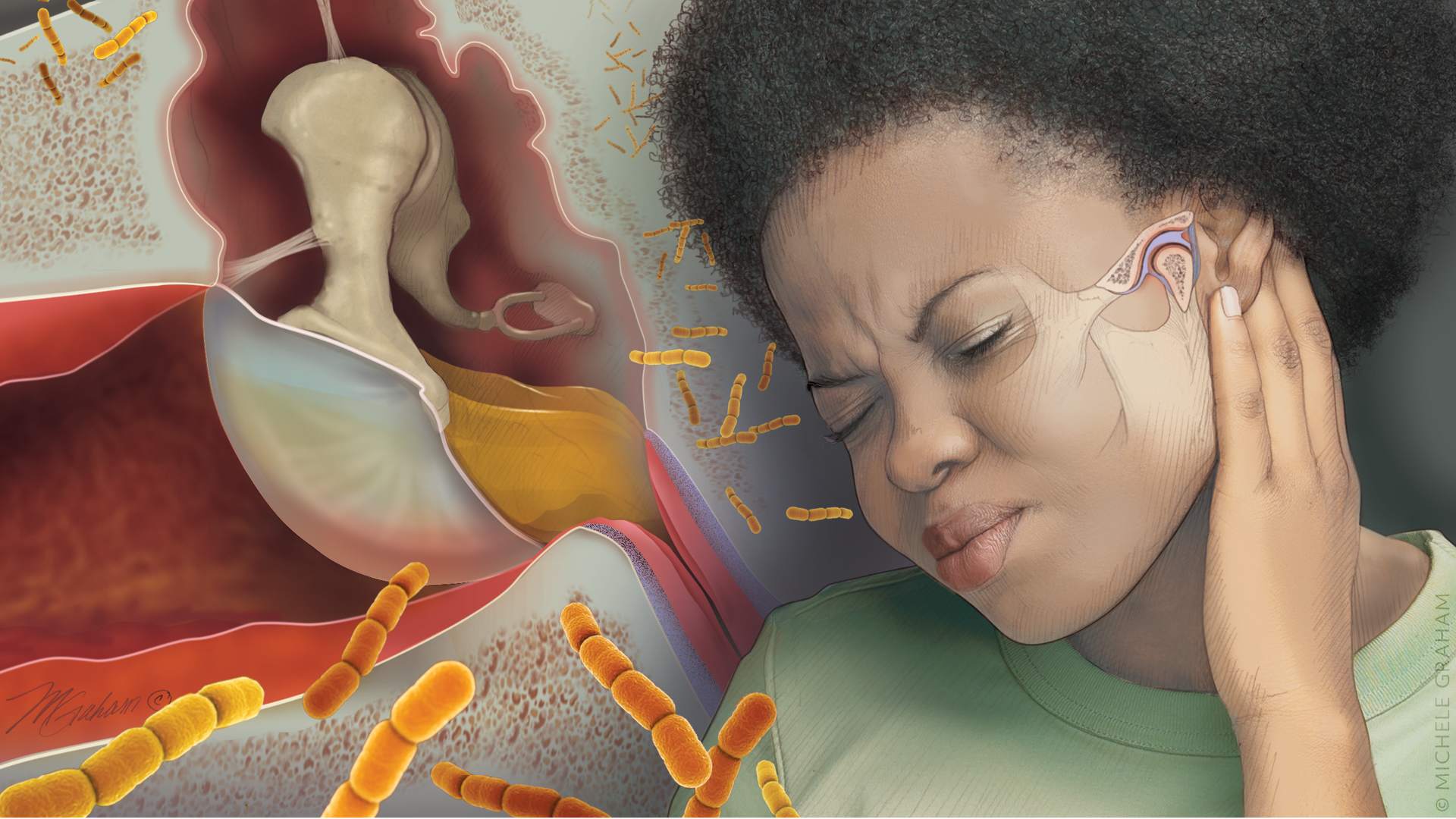
The major salivary glands are the paired parotid, submandibular, and sublingual glands. Salivary gland disorders can affect the glandular tissue or its excretory system. The parotid glands are the largest and produce aqueous serous secretions that are less immunogenic. They are more susceptible to infections and neoplasms. The submandibular glands produce mucinous secretions that are high in calcium and phosphate salts through a long submandibular duct that flows against gravity. The submandibular glands are responsible for more than 80% of salivary stones. Sialadenitis can be acute or chronic and caused by bacterial, viral, and obstructive etiologies; the most common bacteria is Staphylococcus aureus. The most common viral etiologies in children are mumps (globally) and juvenile recurrent parotitis (in vaccinated populations). Sialadenosis is a chronic asymptomatic enlargement of the salivary glands due to systemic disease. Sialolithiasis causes up to 50% of salivary gland disorders. It is associated with salivary stasis and inflammation caused by dehydration, malnutrition, medications, or chronic illness. Obstruction is also caused by trauma, stenosis, and mucoceles. Neoplasms are rare and typically benign, but they warrant referral and imaging with ultrasonography, computed tomography, or magnetic resonance sialography. Most disorders are managed with conservative measures by treating the underlying etiology, optimizing predisposing factors, controlling pain, and increasing salivary flow with sialagogues, hydration, massage, warm compresses, oral hygiene, and medication adjustment. Sialendoscopy is a gland-sparing technique that can treat obstructive and nonobstructive disorders. (Am Fam Physician. 2024;109(6):550-559. Copyright © 2024 American Academy of Family Physicians.)
Salivary gland disorders can affect the glandular tissue or its excretory system. This article presents a brief evidence-based review of diagnosis and treatment of the multiple etiologies of these disorders.
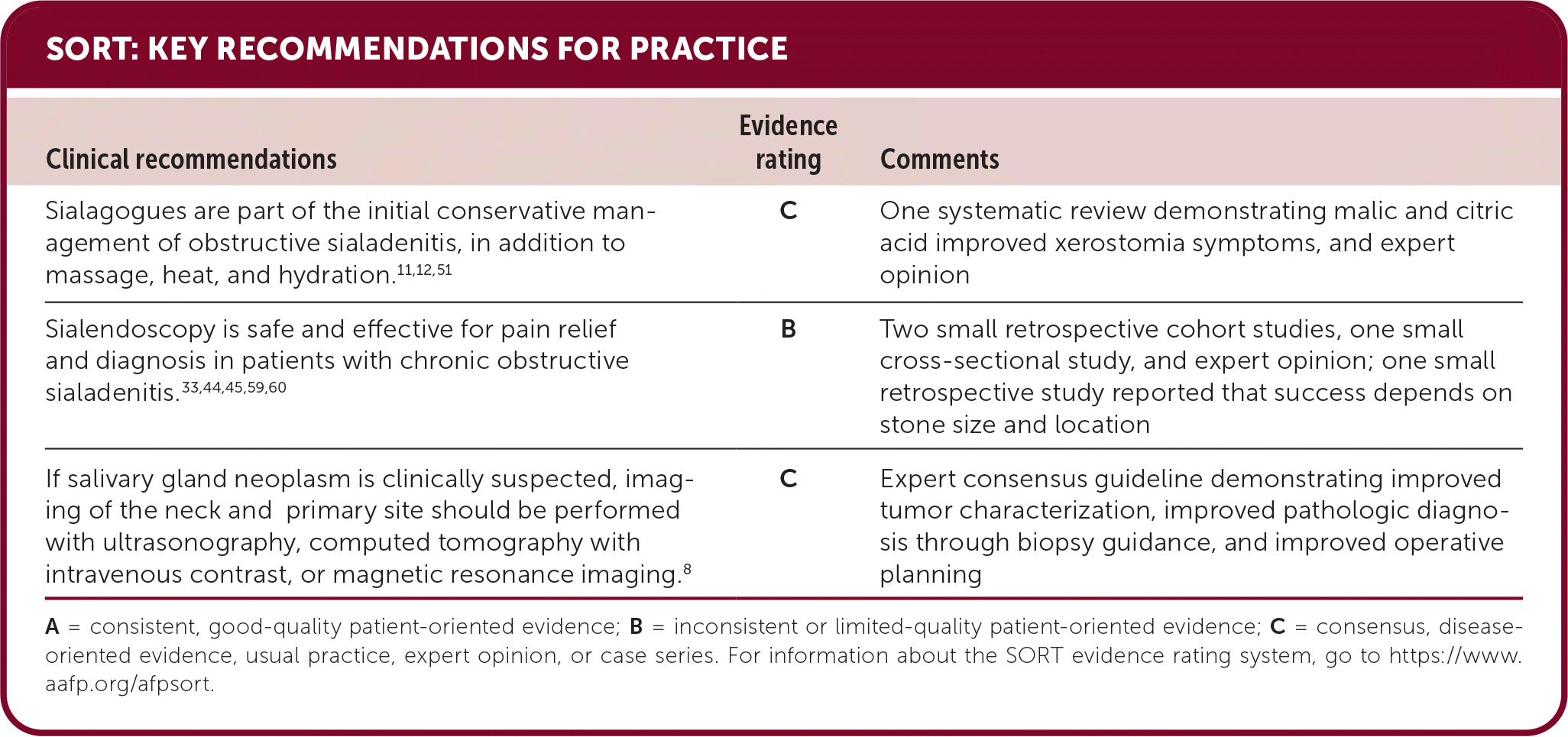
SORT: KEY RECOMMENDATIONS FOR PRACTICE
| Clinical recommendations | Evidence rating | Comments |
|---|---|---|
| Sialagogues are part of the initial conservative management of obstructive sialadenitis, in addition to massage, heat, and hydration.11,12,51 | C | One systematic review demonstrating malic and citric acid improved xerostomia symptoms, and expert opinion |
| Sialendoscopy is safe and effective for pain relief and diagnosis in patients with chronic obstructive sialadenitis.33,44,45,59,60 | B | Two small retrospective cohort studies, one small cross-sectional study, and expert opinion; one small retrospective study reported that success depends on stone size and location |
| If salivary gland neoplasm is clinically suspected, imaging of the neck and primary site should be performed with ultrasonography, computed tomography with intravenous contrast, or magnetic resonance imaging.8 | C | Expert consensus guideline demonstrating improved tumor characterization, improved pathologic diagnosis through biopsy guidance, and improved operative planning |
A = consistent, good-quality patient-oriented evidence; B = inconsistent or limited-quality patient-oriented evidence; C = consensus, disease-oriented evidence, usual practice, expert opinion, or case series. For information about the SORT evidence rating system, go to https://www.aafp.org/afpsort.
Epidemiology
- Sialolithiasis is the most common cause of salivary gland swelling and accounts for up to 50% of all major salivary gland disease. It has a lifetime prevalence of 0.45%.1–3
- Acute suppurative sialadenitis is a rare but serious infection that accounts for 0.02% of all hospitalizations and has a mortality rate of up to 40%.4,5
- The most common viral etiologies in children are mumps (globally) and juvenile recurrent parotitis (in vaccinated populations). The peak incidence occurs between 3 and 6 years of age.6,7
- Salivary gland malignancies account for less than 1% to 6% of head and neck cancers and occur most commonly in the parotid glands.7–10
Read the full article
Get immediate access, anytime, anywhere.
Choose a single article, issue, or full-access subscription.
Earn up to 14 CME credits per issue.