RSVpreF (Abrysvo) is a respiratory syncytial virus (RSV) vaccine. It induces antibodies to the viral surface protein (protein F) that attaches the virus to host cells. RSVpreF is labeled for active immunization of individuals 60 years and older for the prevention of lower respiratory tract infection (LRTI). It is also labeled for use in pregnant individuals to prevent severe LRTI caused by RSV in infants in the first 6 months of life. Passive immunization occurs through transplacental transfer of maternal antibodies to infants.1 Nirsevimab-alip (Beyfortus) is an anti-RSV monoclonal antibody indicated for infants entering their first RSV season and children up to 24 months of age who remain vulnerable to severe RSV disease through their second RSV season.2
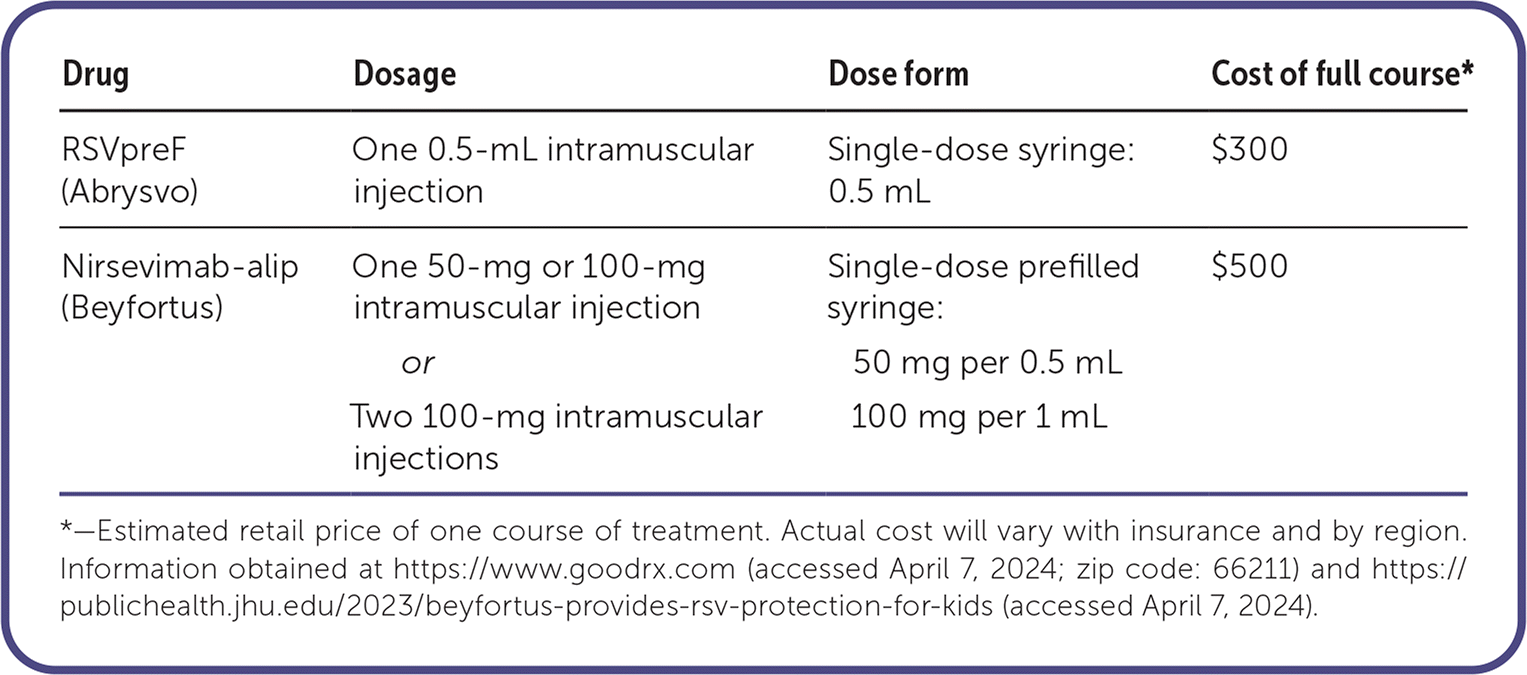
| Drug | Dosage | Dose form | Cost of full course* |
|---|---|---|---|
| RSVpreF (Abrysvo) | One 0.5-mL intramuscular injection | Single-dosesyringe: 0.5 mL | $300 |
| Nirsevimab-alip (Beyfortus) | One 50-mg or 100-mg intramuscular injection or Two 100-mg intramuscular injections | Single-dose prefilled syringe: 50 mg per 0.5 mL 100 mg per 1 mL | $500 |
*—Estimated retail price of one course of treatment. Actual cost will vary with insurance and by region. Information obtained at https://www.goodrx.com (accessed April 7, 2024; zip code: 66211) and https://publichealth.jhu.edu/2023/beyfortus-provides-rsv-protection-for-kids (accessed April 7, 2024).
Safety
RSVpreF was evaluated for safety in approximately 4,000 maternal participants and 17,215 participants 60 years and older.1 In pregnant patients at increased risk of preterm delivery, RSVpreF should be administered between 32 and 36 weeks of gestation to mitigate the risk of preterm birth before 32 weeks.1 As with other injectable vaccines, there is a risk of syncope.
Nirsevimab-alip has been studied for safety in 3,224 infants. Because it is a monoclonal antibody, there is a theoretical risk of anaphylaxis, although no events were reported in clinical trials.2
Tolerability
The most common adverse effect from RSVpreF was pain at the injection site, which occurred in 40.6% of vaccinated patients vs. 10.1% of patients receiving placebo. Fatigue, headache, muscle pain, and nausea are also possible, although these occurred at a rate similar to that of placebo.1 Rash and injection site reaction can occur with nirsevimabalip but are uncommon.2
Effectiveness
Active immunization with RSVpreF in pregnant individuals reduced medically attended RSV-associated LRTI (number needed to treat [NNT] = 58; 95% CI, 45 to 101), severe LRTI (NNT = 81; 95% CI, 67 to 101), and hospitalizations of their infants (NNT = 139; 95% CI, 98 to 783) through 180 days after birth.1,3
The effectiveness of vaccination with RSVpreF in the first RSV season compared with placebo was studied in adults 60 years and older, with approximately 16,300 participants in each group.1 RSVpreF reduced the first occurrence of RSV-positive LRTI in the first RSV season. However, the NNT to prevent one RSV-associated LRTI was approximately 740 participants (95% CI, 575 to 1,716) for LRTI with more than two symptoms, and approximately 1,360 participants (95% CI, 1,180 to 3,640) for LRTI with more than three symptoms. There was no significant reduction in severe LRTI, defined by hospitalization, the requirement of supplemental oxygen, or mechanical ventilation, because there were only two cases of severe LRTI reported in the placebo group and none in the RSVpreF group.1
Read the full article
Get immediate access, anytime, anywhere.
Choose a single article, issue, or full-access subscription.
Earn up to 14 CME credits per issue.