What is a primary immunodeficiency?
A primary immunodeficiency is a genetic problem with the immune system. The immune system protects the body against infection—and fights infection when it happens.
People who have a primary immunodeficiency disorder get infections easily. The infections tend to come back often and are hard to cure.
There are more than 80 different kinds of primary immunodeficiency disorders. Some are common. Others are rare.
What are some warning signs of a primary immunodeficiency?
As part of a national educational program, The Jeffrey Modell Foundation (http://www.jmfworld.com) has developed a list of warning signs for primary immunodeficiency. Talk to your doctor if you or your child has more than one of these warning signs:
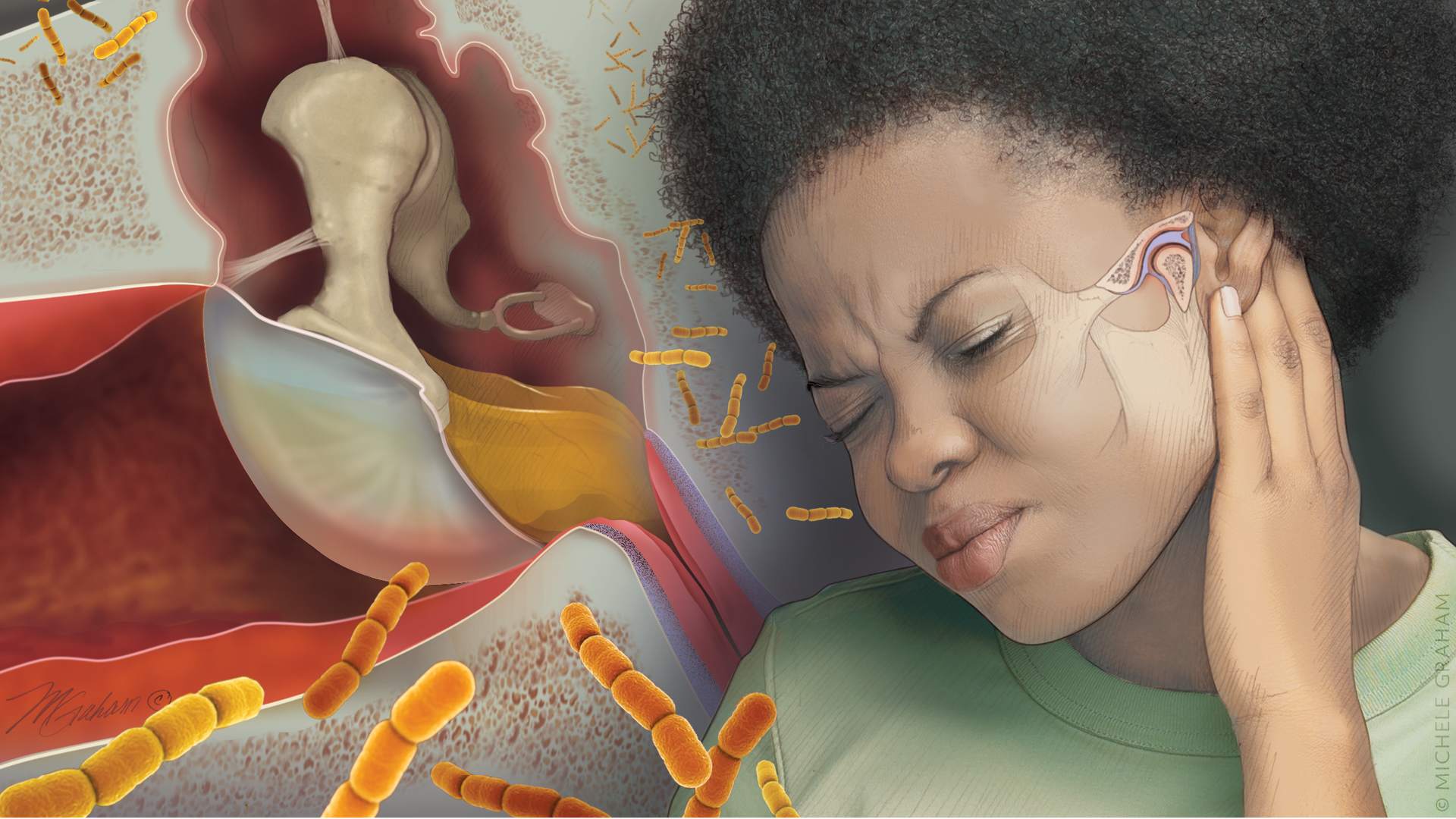
- Eight or more ear infections in one year
- Two or more serious sinus infections in one year.
- An infection that does not get better even after two or more months of antibiotic therapy
- Poor weight gain or lack of normal growth in your baby
- Deep skin or organ abscesses that keep coming back
- After the age of one year, hard-to cure thrush (a fungal infection) in the mouth or elsewhere in the skin
- Need for intravenous antibiotic treatment to clear infections
- Two or more serious infections deep below the skin
- A family history of primary immunodeficiency
More Information About Primary Immunodeficiency
For more information, you can contact these groups:
- The Jeffrey Modell Foundation
- 747 Third Avenue
- New York, NY 10017
- Telephone: 1–212–819–0200
- Fax: 1–212–764–4180
- Web site: http://www.info4pi.org
- E-mail:info@imfworld.org
- Immune Deficiency Foundation
- 40 West Chesapeake Ave.
- Suite 308
- Towson, MD 21204
- Telephone: 1–800–296–4433
- Web site: http://www.primaryimmune.org
- E-mail:idf@primaryimmune.org