

Obesity is increasingly common among pregnant women, and it can cause significant risk to mother and fetus. Because they care for women throughout the reproductive cycle, family physicians can help improve outcomes in pregnancies complicated by obesity. Family physicians who provide prenatal care should also be familiar with recommendations for the management of obesity in pregnancy.
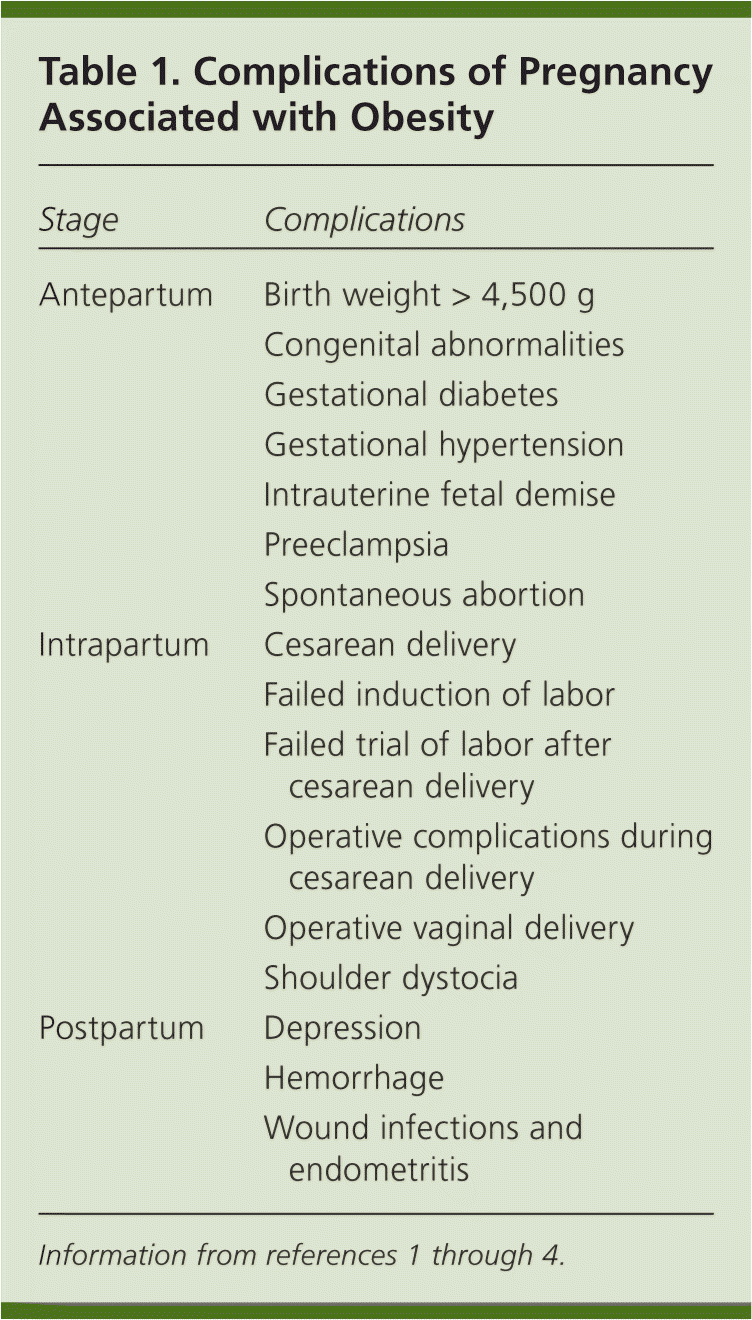
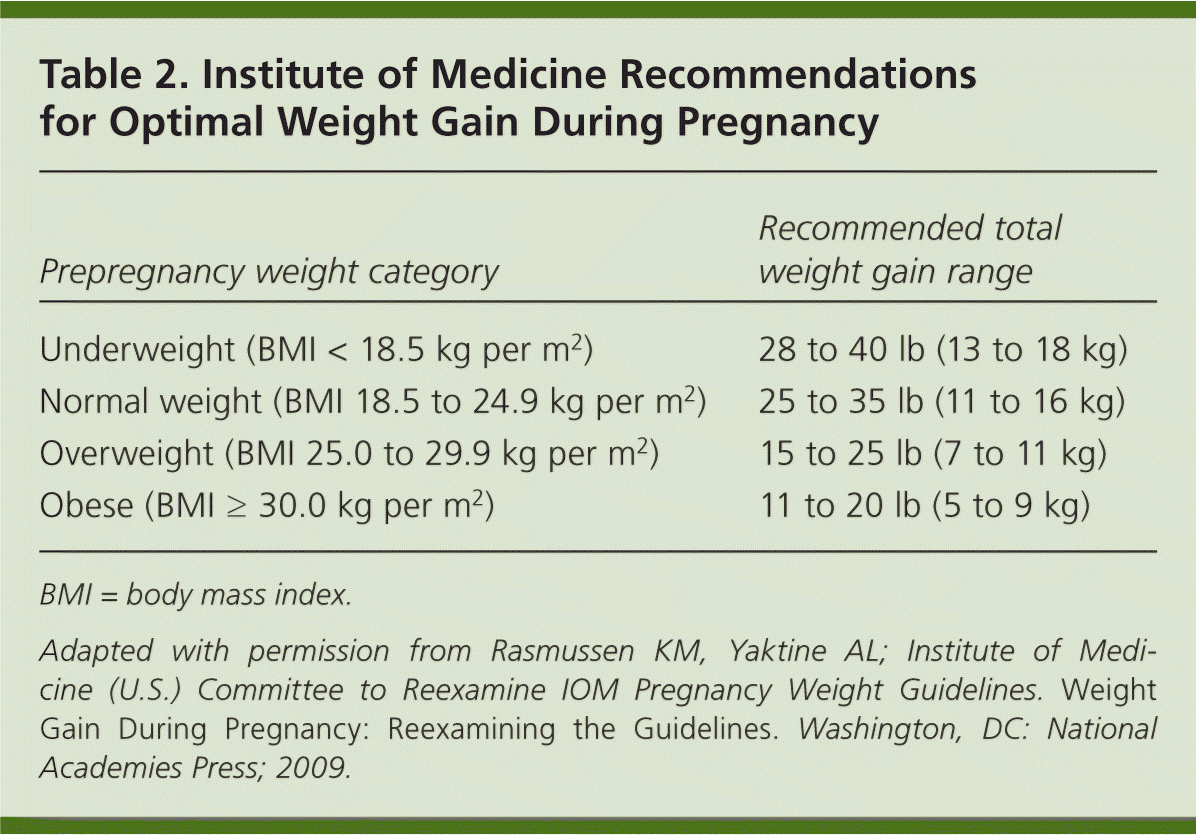
Women with obesity (body mass index [BMI] of 30 kg per m2 or greater) are at increased risk of spontaneous abortion and other serious complications (Table 1).1–4 In 2009, the Institute of Medicine issued updated recommendations for optimal weight gain in pregnancy based on prepregnancy BMI (Table 2).5 However, little patient-oriented data exist regarding the effects of adherence to these recommendations. One study found that women with obesity and little to no weight gain had similar pregnancy outcomes to those who gained 11 to 20 lb (5 to 9 kg), whereas those who lost weight in pregnancy had decreased rates of cesarean delivery and large-for-gestational-age infants.6 Consequently, some experts argue that weight gain goals should be individualized in pregnancy, especially for women with more severe degrees of obesity for whom minimal, if any, weight gain might be appropriate.7
Table 1. Complications of Pregnancy Associated with Obesity
| Stage | Complications |
|---|---|
| Antepartum | Birth weight > 4,500 g |
| Congenital abnormalities | |
| Gestational diabetes | |
| Gestational hypertension | |
| Intrauterine fetal demise | |
| Preeclampsia | |
| Spontaneous abortion | |
| Intrapartum | Cesarean delivery |
| Failed induction of labor | |
| Failed trial of labor after cesarean delivery | |
| Operative complications during cesarean delivery | |
| Operative vaginal delivery | |
| Shoulder dystocia | |
| Postpartum | Depression |
| Hemorrhage | |
| Wound infections and endometritis |
Table 2. Institute of Medicine Recommendations for Optimal Weight Gain During Pregnancy
| Prepregnancy weight category | Recommended total weight gain range |
|---|---|
| Underweight (BMI < 18.5 kg per m2) | 28 to 40 lb (13 to 18 kg) |
| Normal weight (BMI 18.5 to 24.9 kg per m2) | 25 to 35 lb (11 to 16 kg) |
| Overweight (BMI 25.0 to 29.9 kg per m2) | 15 to 25 lb (7 to 11 kg) |
| Obese (BMI ≥ 30.0 kg per m2) | 11 to 20 lb (5 to 9 kg) |
BMI = body mass index.
Adapted with permission from Rasmussen KM, Yaktine AL; Institute of Medicine (U.S.) Committee to Reexamine IOM Pregnancy Weight Guidelines. Weight Gain During Pregnancy: Reexamining the Guidelines. Washington, DC: National Academies Press; 2009.
How can family physicians best intervene to reduce the morbidity associated with obesity in pregnancy? In accordance with U.S. Preventive Services Task Force guidelines, all adults should be screened for obesity by measuring BMI.8 At preconception visits, physicians should provide counseling and optimal treatment for obesity, including nutrition consultation and lifestyle modifications.9 Bariatric surgery should be considered for women with a BMI of more than 40 kg per m2 or for those with a BMI of more than 35 kg per m2 and comorbidities, because patients who undergo bariatric surgery and achieve successful weight loss have improved pregnancy outcomes.10
Women with additional risk factors for preexisting diabetes mellitus should be screened at the first prenatal visit.11 Counseling on lifestyle interventions, such as written and verbal instructions about exercise and nutrition counseling by a dietitian, throughout pregnancy is effective in preventing excess gestational weight gain.12 Physicians should also chart patients' weight gain throughout pregnancy and provide feedback on progress toward weight gain goals.5 For women with obesity and a previous cesarean delivery, detailed counseling is warranted before selecting a delivery plan,13 because these patients are at higher risk of failed vaginal birth after cesarean delivery and of complications with elective repeat cesarean delivery.14
In the postpartum period, physicians should provide breastfeeding support and counsel mothers that breastfeeding is associated with improved weight loss and reduced risk of subsequent diabetes.15 When selecting a contraceptive method, women with obesity need to consider the increased rates of failure with low-dose oral contraceptives, as well as increased operative risks with tubal sterilization.3
