

Unintentional weight loss in persons older than 65 years is associated with increased morbidity and mortality. The most common etiologies are malignancy, nonmalignant gastrointestinal disease, and psychiatric conditions. Overall, nonmalignant diseases are more common causes of unintentional weight loss in this population than malignancy. Medication use and polypharmacy can interfere with taste or cause nausea and should not be overlooked. Social factors may contribute to unintentional weight loss. A readily identifiable cause is not found in 16% to 28% of cases. Recommended tests include a complete blood count, basic metabolic panel, liver function tests, thyroid function tests, C-reactive protein levels, erythrocyte sedimentation rate, glucose measurement, lactate dehydrogenase measurement, and urinalysis. Chest radiography and fecal occult blood testing should be performed. Abdominal ultrasonography may also be considered. When baseline evaluation is unremarkable, a three- to six-month observation period is justified. Treatment focuses on the underlying cause. Nutritional supplements and flavor enhancers, and dietary modification that takes into account patient preferences and chewing or swallowing disabilities may be considered. Appetite stimulants may increase weight but have serious adverse effects and no evidence of decreased mortality.
Unintentional weight loss (i.e., more than a 5% reduction in body weight within six to 12 months) occurs in 15% to 20% of older adults and is associated with increased morbidity and mortality.1 In this population, unintentional weight loss can lead to functional decline in activities of daily living,2 increased in-hospital morbidity,3 increased risk of hip fracture in women,4 and increased overall mortality.5–7 Further, cachexia (loss of muscle mass with or without loss of fat) has been associated with negative effects such as increased infections, pressure ulcers, and failure to respond to medical treatments.1
Because unintentional weight loss is a nonspecific condition and no published guidelines exist for evaluation and management, the appropriate workup, if any, is difficult to determine. This article focuses on the evaluation, diagnosis, and potential treatments of unintentional weight loss in patients older than 65 years.
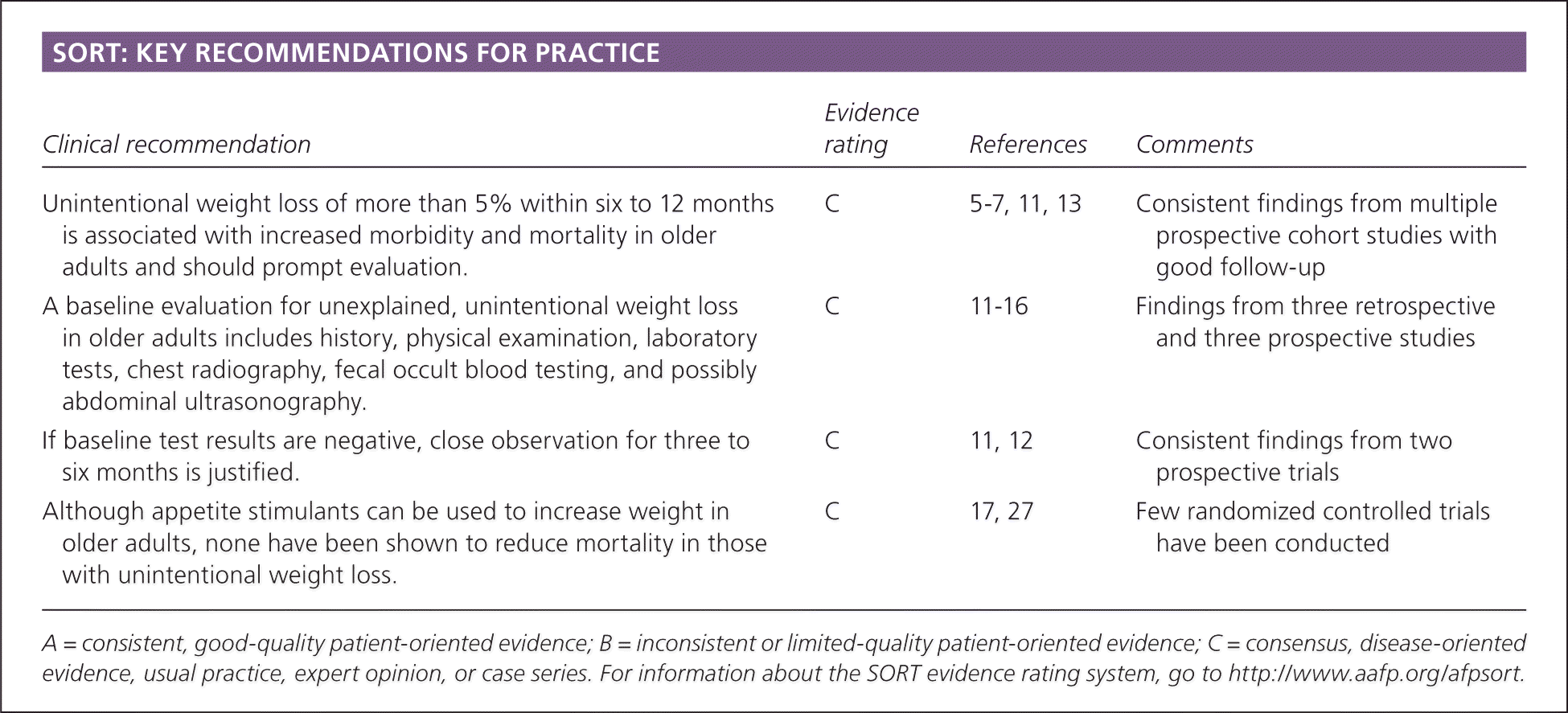
SORT: KEY RECOMMENDATIONS FOR PRACTICE
| Clinical recommendation | Evidence rating | References | Comments |
|---|---|---|---|
| Unintentional weight loss of more than 5% within six to 12 months is associated with increased morbidity and mortality in older adults and should prompt evaluation. | C | 5–7, 11, 13 | Consistent findings from multiple prospective cohort studies with good follow-up |
| A baseline evaluation for unexplained, unintentional weight loss in older adults includes history, physical examination, laboratory tests, chest radiography, fecal occult blood testing, and possibly abdominal ultrasonography. | C | 11–16 | Findings from three retrospective and three prospective studies |
| If baseline test results are negative, close observation for three to six months is justified. | C | 11, 12 | Consistent findings from two prospective trials |
| Although appetite stimulants can be used to increase weight in older adults, none have been shown to reduce mortality in those with unintentional weight loss. | C | 17, 27 | Few randomized controlled trials have been conducted |
A = consistent, good-quality patient-oriented evidence; B = inconsistent or limited-quality patient-oriented evidence; C = consensus, disease-oriented evidence, usual practice, expert opinion, or case series. For information about the SORT evidence rating system, go to https://www.aafp.org/afpsort.
Etiology
The pathophysiology of unintentional weight loss is poorly understood. Multiple studies have looked at inflammatory cytokines such as tumor necrosis factor α, interleukin-1β, and interleukin-6, and gut hormones such as cholecystokinin, glucagon-like peptide, and ghrelin.8 Elevated concentrations of tumor necrosis factor α have been associated with weight loss. It is unclear whether this relationship is a direct cause or a marker for an underlying condition.9
Body composition changes with age. Lean body mass begins to decrease up to 0.7 lb (0.3 kg) per year in the third decade. This loss is offset by gains in fat mass that continue until 65 to 70 years of age. Total body weight usually peaks at 60 years of age with small decreases of 0.2 to 0.4 lb (0.1 to 0.2 kg) per year after 70 years of age. Therefore, substantial weight changes should not be attributed to normal anorexia of aging.10
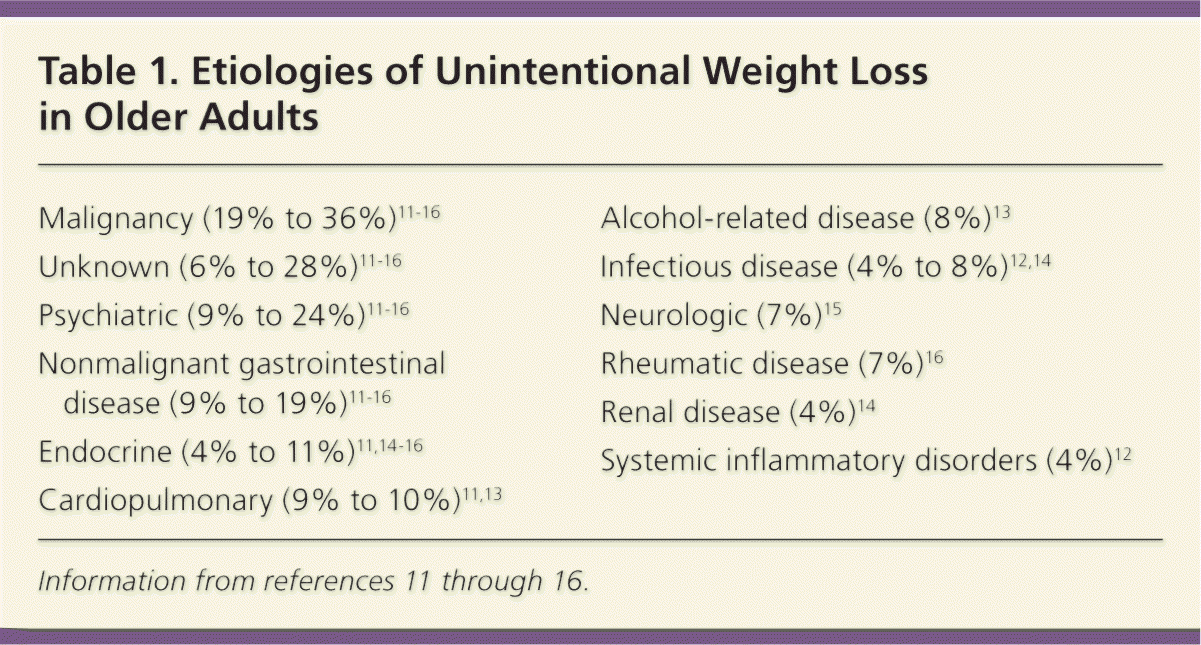
In community-dwelling older adults, the causes of unintentional weight loss can be classified as organic or psychosocial. Multiple studies, prospective and retrospective and in inpatient and outpatient settings, have demonstrated that the most common etiologies are malignancy (19% to 36%), nonmalignant gastrointestinal disease (9% to 19%), and psychiatric conditions such as depression and dementia (9% to 24%). Overall, nonmalignant diseases are more common than malignancy.1,11–16 Etiologies are further delineated in Table 1.11–16
Table 1. Etiologies of Unintentional Weight Loss in Older Adults
| Malignancy (19% to 36%)11–16 |
| Unknown (6% to 28%)11–16 |
| Psychiatric (9% to 24%)11–16 |
| Nonmalignant gastrointestinal disease (9% to 19%)11–16 |
| Endocrine (4% to 11%)11,14–16 |
| Cardiopulmonary (9% to 10%)11,13 |
| Alcohol-related disease (8%)13 |
| Infectious disease (4% to 8%)12,14 |
| Neurologic (7%)15 |
| Rheumatic disease (7%)16 |
| Renal disease (4%)14 |
| Systemic inflammatory disorders (4%)12 |
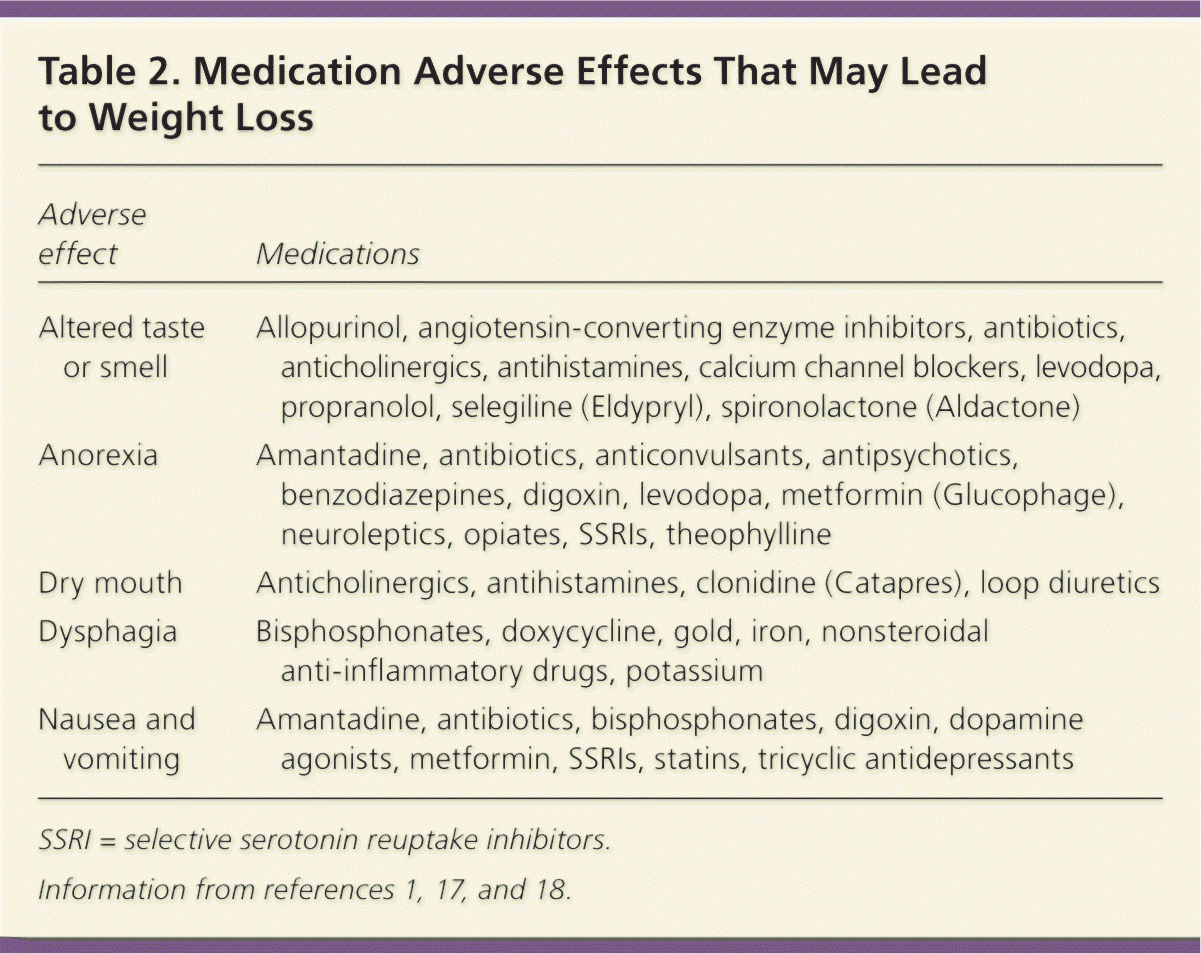
Medication adverse effects (Table 21,17,18 ) are common but often overlooked causative factors.17 Polypharmacy has been shown to interfere with taste and can cause anorexia.19 In addition, a variety of social factors are associated with unintentional weight loss and include poverty, alcoholism, isolation, financial constraints, and other barriers to obtaining food (e.g., impairment in activities of daily living, lack of assistance in grocery shopping or preparing meals).1 In 16% to 28% of patients, no readily identifiable cause for unintentional weight loss is determined.11–16
Table 2. Medication Adverse Effects That May Lead to Weight Loss
| Adverse effect | Medications |
|---|---|
| Altered taste or smell | Allopurinol, angiotensin-converting enzyme inhibitors, antibiotics, anticholinergics, antihistamines, calcium channel blockers, levodopa, propranolol, selegiline (Eldypryl), spironolactone (Aldactone) |
| Anorexia | Amantadine, antibiotics, anticonvulsants, antipsychotics, benzodiazepines, digoxin, levodopa, metformin (Glucophage), neuroleptics, opiates, SSRIs, theophylline |
| Dry mouth | Anticholinergics, antihistamines, clonidine (Catapres), loop diuretics |
| Dysphagia | Bisphosphonates, doxycycline, gold, iron, nonsteroidal anti-inflammatory drugs, potassium |
| Nausea and vomiting | Amantadine, antibiotics, bisphosphonates, digoxin, dopamine agonists, metformin, SSRIs, statins, tricyclic antidepressants |
SSRI = selective serotonin reuptake inhibitors.
Several tools have been developed to aid physicians in remembering the multiple etiologies of unintentional weight loss. These include the mnemonic Meals on Wheels (medication effects; emotional problems, especially depression; anorexia nervosa; alcoholism; late-life paranoia; swallowing disorders; oral factors, such as poorly fitting dentures and caries; no money; wandering and other dementia-related behaviors; hyperthyroidism, hypothyroidism, hyperparathyroidism, and hypoadrenalism; enteric problems; eating problems, such as inability to feed oneself; low-salt and low-cholesterol diet; stones; social problems, such as isolation and inability to obtain preferred foods).20 Another tool is the 9 D's of weight loss in the elderly (dementia, dentition, depression, diarrhea, disease [acute and chronic], drugs, dysfunction [functional disability], dysgeusia, dysphagia).21
History and Physical Examination
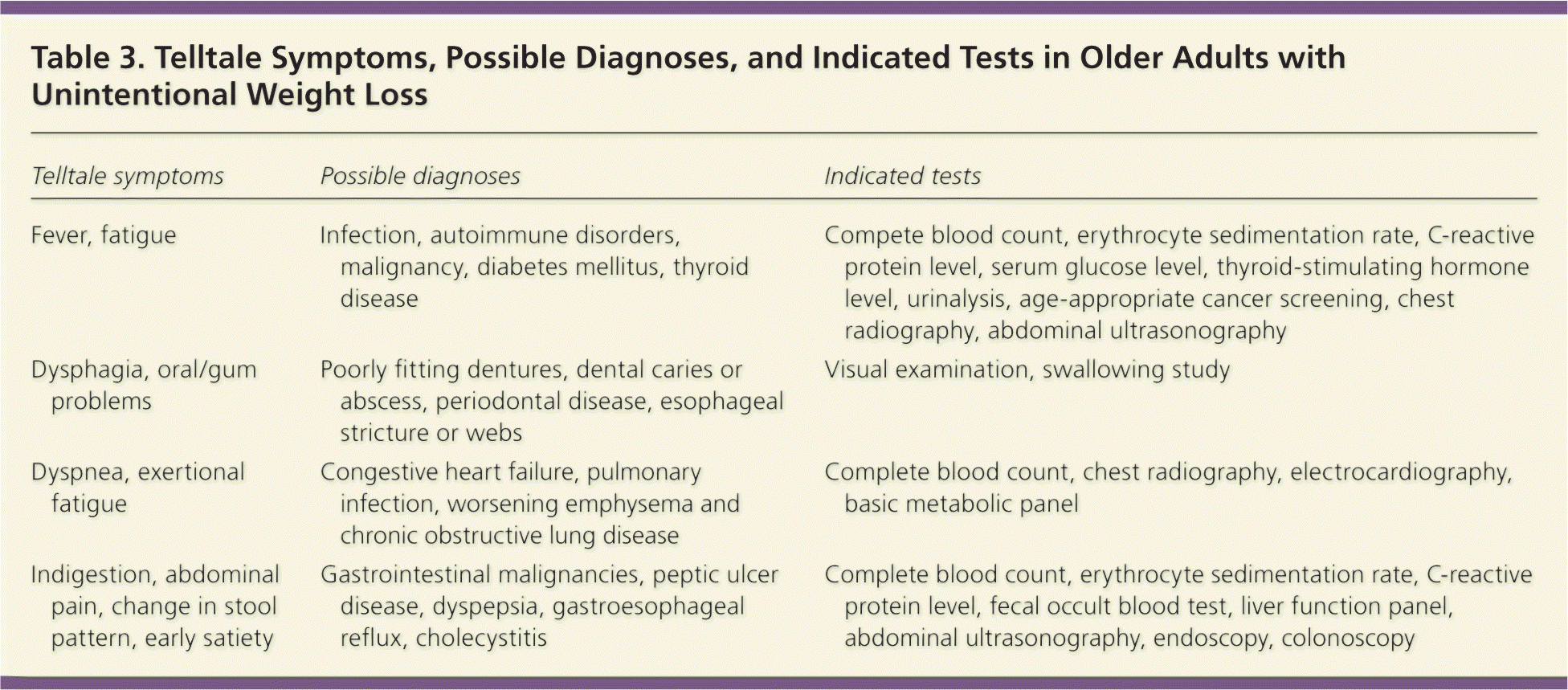
The evaluation of unintentional weight loss starts with a patient history. If there is a concern about cognitive impairment, a caregiver or family member can provide corroborating information. The history should focus on the amount of weight lost and the time frame in which the weight loss occurred. If no baseline weight is available, evidence of change in clothing size, confirmation of weight loss by a relative or friend, and a numerical estimate of weight loss can be used.11–16 Assessing appetite determines if the weight loss is related to poor food intake. A review of systems to detect acute illness or worsening chronic conditions is important and should pay particular attention to cardiovascular, respiratory, and gastrointestinal symptoms (Table 3).
Table 3. Telltale Symptoms, Possible Diagnoses, and Indicated Tests in Older Adults with Unintentional Weight Loss
| Telltale symptoms | Possible diagnoses | Indicated tests |
|---|---|---|
| Fever, fatigue | Infection, autoimmune disorders, malignancy, diabetes mellitus, thyroid disease | Compete blood count, erythrocyte sedimentation rate, C-reactive protein level, serum glucose level, thyroid-stimulating hormone level, urinalysis, age-appropriate cancer screening, chest radiography, abdominal ultrasonography |
| Dysphagia, oral/gum problems | Poorly fitting dentures, dental caries or abscess, periodontal disease, esophageal stricture or webs | Visual examination, swallowing study |
| Dyspnea, exertional fatigue | Congestive heart failure, pulmonary infection, worsening emphysema and chronic obstructive lung disease | Complete blood count, chest radiography, electrocardiography, basic metabolic panel |
| Indigestion, abdominal pain, change in stool pattern, early satiety | Gastrointestinal malignancies, peptic ulcer disease, dyspepsia, gastroesophageal reflux, cholecystitis | Complete blood count, erythrocyte sedimentation rate, C-reactive protein level, fecal occult blood test, liver function panel, abdominal ultrasonography, endoscopy, colonoscopy |
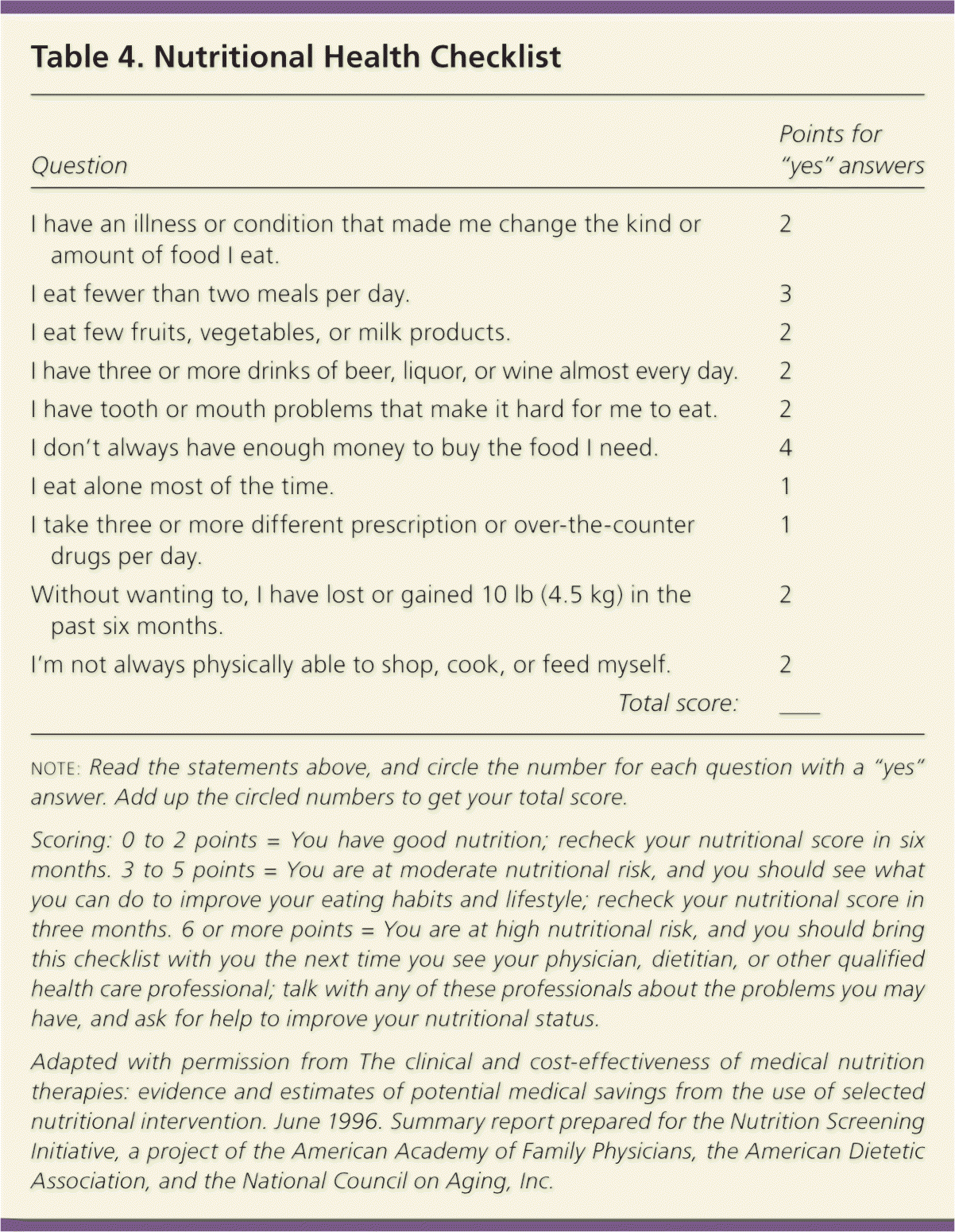
The history should also identify prescription and over-the-counter medications and herbal supplements that may be affecting appetite or contributing to weight loss. A social history focusing on alcohol and tobacco use and the patient's living situation may elicit further useful information. The Mini Nutritional Assessment is a validated tool to help measure nutritional risk.22 The tool, which is available at http://www.mna-elderly.com/mna_forms.html, involves anthropometric measurements and general, dietary, and subjective assessments. Scoring allows categorization of older adults as well nourished (normal), at risk, or malnourished.22 The Nutritional Health Checklist (Table 4) is a simpler tool for assessing nutritional status that was developed for the Nutrition Screening Initiative.23
Table 4. Nutritional Health Checklist
| Question | Points for “yes” answers |
|---|---|
| I have an illness or condition that made me change the kind or amount of food I eat. | 2 |
| I eat fewer than two meals per day. | 3 |
| I eat few fruits, vegetables, or milk products. | 2 |
| I have three or more drinks of beer, liquor, or wine almost every day. | 2 |
| I have tooth or mouth problems that make it hard for me to eat. | 2 |
| I don't always have enough money to buy the food I need. | 4 |
| I eat alone most of the time. | 1 |
| I take three or more different prescription or over-the-counter drugs per day. | 1 |
| Without wanting to, I have lost or gained 10 lb (4.5 kg) in the past six months. | 2 |
| I'm not always physically able to shop, cook, or feed myself. | 2 |
| Total score: | __ |
NOTE: Read the statements above, and circle the number for each question with a “yes” answer. Add up the circled numbers to get your total score.
Scoring: 0 to 2 points = You have good nutrition; recheck your nutritional score in six months. 3 to 5 points = You are at moderate nutritional risk, and you should see what you can do to improve your eating habits and lifestyle; recheck your nutritional score in three months. 6 or more points = You are at high nutritional risk, and you should bring this checklist with you the next time you see your physician, dietitian, or other qualified health care professional; talk with any of these professionals about the problems you may have, and ask for help to improve your nutritional status.
Adapted with permission from The clinical and cost-effectiveness of medical nutrition therapies: evidence and estimates of potential medical savings from the use of selected nutritional intervention. June 1996. Summary report prepared for the Nutrition Screening Initiative, a project of the American Academy of Family Physicians, the American Dietetic Association, and the National Council on Aging, Inc.
Assessment for depression and dementia is also vital because both have been shown to contribute to unintentional weight loss in older adults.1 The two-question Patient Health Questionnaire (available at https://www.aafp.org/afp/2008/0715/p244.html) and the Geriatric Depression Scale (available at https://www.aafp.org/afp/2011/1115/p1149.html) are validated screening tools for depression in older adults.24,25 The Mini-Cognitive Assessment Instrument (Mini-Cog; available at https://www.aafp.org/afp/2009/0315/p497.html) is the preferred screening tool for dementia because of its ease of use.26
The physical examination can aid in evaluating concerns prompted by history findings. Body weight without shoes should be assessed on a clinic scale. Evaluation of the oral cavity and dentition may indicate difficulty with chewing or swallowing. Heart, lung, gastrointestinal, and neurologic examinations evaluate for illnesses contributing to or causing weight loss.
Diagnostic Studies
Baseline investigations include laboratory studies and imaging. Recommended laboratory tests include complete blood count, basic metabolic panel, liver function tests, thyroid function tests, C-reactive protein levels, erythrocyte sedimentation rate, glucose measurement, lactate dehydrogenase measurement, and urinalysis.1 Chest radiography and fecal occult blood testing should also be performed. Abdominal ultrasonography may be considered.1
A prospective study evaluated 101 patients (inpatient and outpatient) with an average age of 64 years and unintentional weight loss of at least 5% within six to 12 months.12 Baseline evaluation included a comprehensive history and physical examination, the laboratory studies mentioned in the previous paragraph except for fecal occult blood testing, and abdominal ultrasonography and ferritin measurement. After baseline evaluation, the etiology of unintentional weight loss was established in 73 patients (72%). Organic disease was identified in 57 patients, and 16 patients had a psychiatric diagnosis. More importantly, all of the 22 patients with malignant disease had abnormal results in the baseline assessment. Tests with the highest yield (i.e., typically abnormal in the setting of organic disease) were C-reactive protein, hemoglobin, lactate dehydrogenase, and albumin measurements. None of the 25 patients with negative findings on baseline evaluation had a malignancy on additional workup, such as computed tomography, endoscopy, colonoscopy, magnetic resonance imaging, or radionuclide examinations. Therefore, the authors concluded that if baseline test results are normal, further workup is not necessary, and close observation for three to six months is justified.11,12
Treatment
Treatment should focus on the underlying cause. This often involves a multidisciplinary team, including dentists; dietitians; speech, occupational, or physical therapists; and social service workers. Common strategies to address unintentional weight loss in older adults are dietary changes, environmental modifications, nutritional supplements, flavor enhancers, and appetite stimulants.27
Diet modification incorporating patient preferences, softer food consistency to accommodate for chewing or swallowing disabilities, and assisted feeding may lead to weight gain and improved laboratory parameters; however, study results of this approach are mixed.28–30 Creating a more leisurely eating environment simulating an in-home dining experience may improve nutrition in nursing home residents.31
Nutritional supplements are predominantly available in liquid form, but also come in puddings, bars, and soups. Nutritional supplements should provide extra calories but not replace scheduled meals. Liquid oral supplements allow for rapid gastric emptying and can be given two hours before a meal.29 Flavor enhancers such as ham, natural bacon, and roast beef flavors sprinkled on cooked food or added during food preparation may improve food consumption and weight gain, but study results have been mixed.32–34
Several medications to stimulate appetite are available, but none have been shown to reduce mortality in older patients with unintentional weight loss.17,27 Megestrol (Megace), the most commonly studied medication, has been shown to improve appetite and increase weight gain in patients with cancer and AIDS cachexia35; however, studies in older patients are limited, and there are insufficient data to define an optimal dose.27,35 Adverse effects of megestrol include gastrointestinal upset, insomnia, impotence, hypertension, thromboembolic events, and adrenal insufficiency. Therefore, megestrol may not be appropriate for all patients, and the risks vs. benefits and patient preferences should be considered.18
Mirtazapine (Remeron), a serotonin antagonist used to treat depression, has gained interest as a possible treatment for unintentional weight loss in older patients because 12% of patients who take this drug for depression report weight gain.36 Although no literature exists to support its use for unintentional weight loss, mirtazapine may be an option for older patients with depression who also have unintentional weight loss. Because dizziness and orthostatic hypotension are possible adverse effects of mirtazapine, caution is warranted in patients at risk of falls.36,37
Although cyproheptadine has been studied in patients with cancer and cachexia,38 routine use in older adults with unintentional weight loss has not been studied. Dronabinol (Marinol) and human growth hormone have been studied in small, limited trials with mixed results for short-term, small weight gains. Dronabinol has been associated with significant adverse effects, particularly central nervous system toxicity. Human growth hormone has been associated with increased mortality.17
Data Sources: A PubMed search was completed in Clinical Queries. Key terms: unintentional, involuntary, weight loss, geriatric, elderly, appetite stimulants, cachexia/drug therapy, and nutrition. The search included meta-analyses, randomized controlled trials, clinical trials, and reviews. Also searched were Essential Evidence Plus, the Agency for Healthcare Research and Quality evidence reports, Clinical Evidence, Google Scholar, and the Cochrane database. References from those sources were also searched. Search dates: January 2012 and March 2014.
