

Prevention and Treatment of Motion Sickness

ANDREW BRAINARD, MD, MPH
CHIP GRESHAM, MD

American Family Physician. 2014;90(1):41-46.

Author disclosure: No relevant financial affiliations.

Patient information: See related handout on motion sickness, written by the authors of this article.

Motion sickness is a common syndrome that occurs upon exposure to certain types of motion. It is thought to be caused by conflict between the vestibular, visual, and other proprioceptive systems. Although nausea is the hallmark symptom, it is often preceded by stomach awareness, malaise, drowsiness, and irritability. Early self-diagnosis should be emphasized, and patients should be counseled about behavioral and pharmacologic strategies to prevent motion sickness before traveling. Patients should learn to identify situations that will lead to motion sickness and minimize the amount of unpleasant motion they are exposed to by avoiding difficult conditions while traveling or by positioning themselves in the most stable part of the vehicle. Slow, intermittent exposure to the motion can reduce symptoms. Other behavioral strategies include watching the true visual horizon, steering the vehicle, tilting their head into turns, or lying down with their eyes closed. Patients should also attempt to reduce other sources of physical, mental, and emotional discomfort. Scopolamine is a first-line medication for prevention of motion sickness and should be administered transdermally several hours before the anticipated motion exposure. First-generation antihistamines, although sedating, are also effective. Nonsedating antihistamines, ondansetron, and ginger root are not effective in the prevention and treatment of motion sickness.

Motion sickness is a syndrome that occurs when a patient is exposed to certain types of motion and usually resolves soon after its cessation. It is a common response to motion stimuli during travel. Although nausea is a hallmark symptom, the syndrome includes symptoms ranging from vague malaise to completely incapacitating illness. These symptoms, which can affect the patient's recreation, employment, and personal safety, can occur within minutes of experiencing motion and can last for several hours after its cessation.

SORT: KEY RECOMMENDATIONS FOR PRACTICE
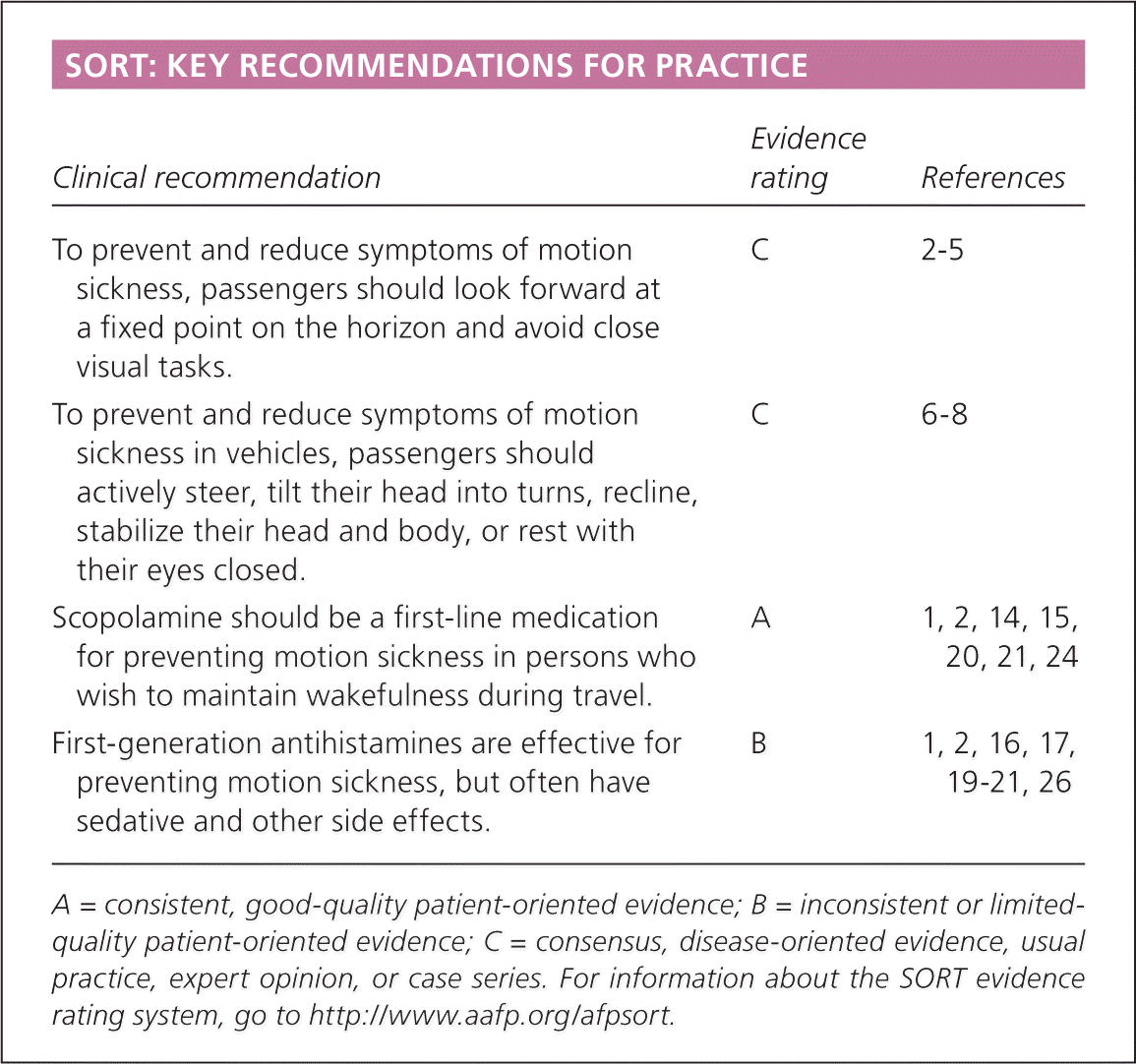
Clinical recommendationEvidence ratingReferences
To prevent and reduce symptoms of motion sickness, passengers should look forward at a fixed point on the horizon and avoid close visual tasks.C25
To prevent and reduce symptoms of motion sickness in vehicles, passengers should actively steer, tilt their head into turns, recline, stabilize their head and body, or rest with their eyes closed.C68
Scopolamine should be a first-line medication for preventing motion sickness in persons who wish to maintain wakefulness during travel.A1, 2, 14, 15, 20, 21, 24
First-generation antihistamines are effective for preventing motion sickness, but often have sedative and other side effects.B1, 2, 16, 17, 1921, 26

A = consistent, good-quality patient-oriented evidence; B = inconsistent or limited-quality patient-oriented evidence; C = consensus, disease-oriented evidence, usual practice, expert opinion, or case series. For information about the SORT evidence rating system, go to https://www.aafp.org/afpsort.

Nearly all persons will have symptoms in response to severe motion stimuli, and a history of motion sickness best predicts future symptoms.1 Females, children two to 15 years of age, and persons with conditions associated with nausea (e.g., early pregnancy, migraines, vestibular syndromes) report increased susceptibility.

Etiology

The pathogenesis of motion sickness is not clearly understood, but it is thought to be related to conflict between the vestibular, visual, and other proprioceptive systems.2 Rotary, vertical, and low-frequency motions produce more symptoms than linear, horizontal, and high-frequency motions.1

Clinical Presentation

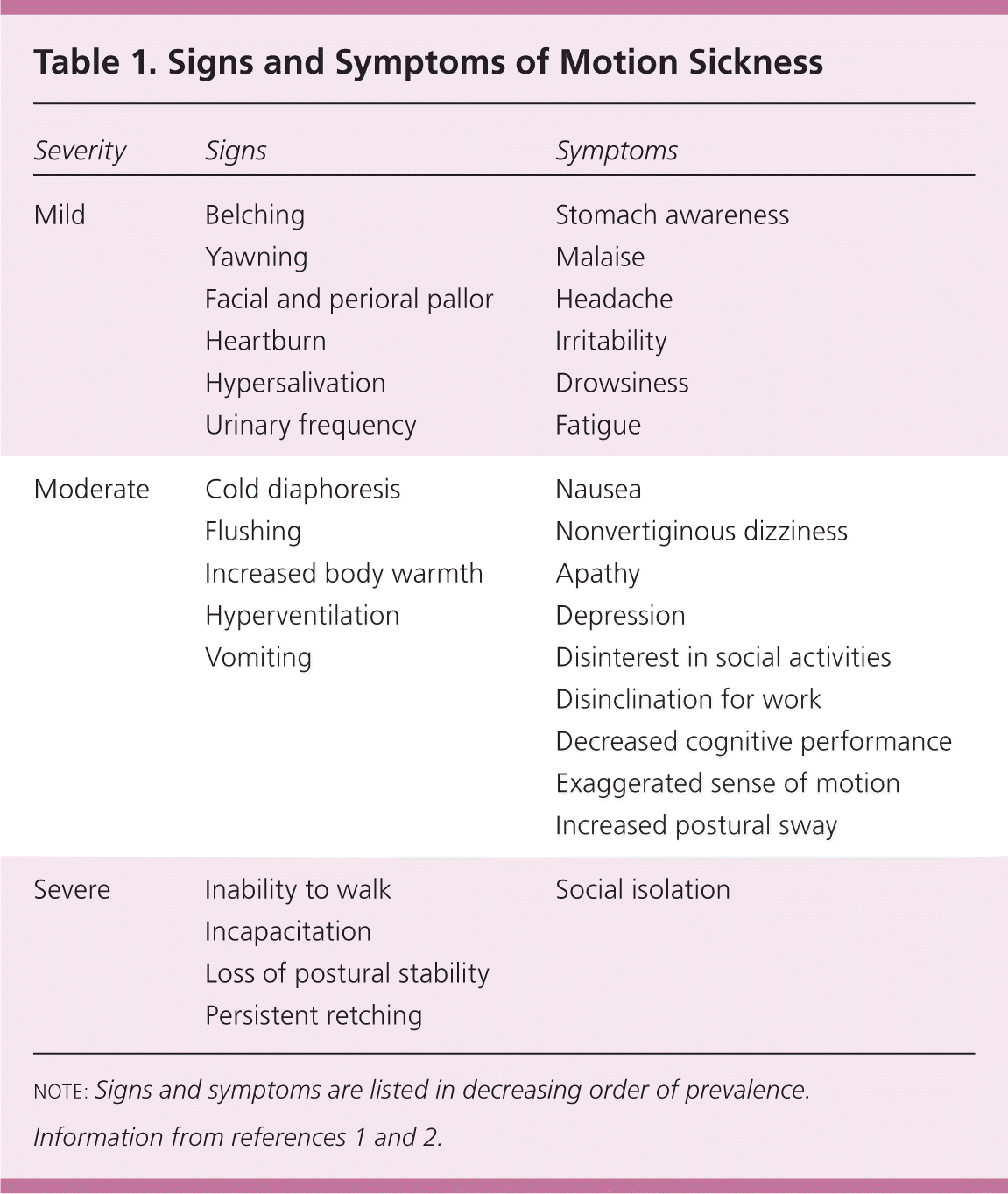
Although nausea may be the first recognized symptom of motion sickness, it is almost always preceded by other subtle symptoms such as stomach awareness (i.e., a sensation of fullness in the epigastrium), malaise, drowsiness, and irritability. Failure to attribute early symptoms to motion sickness may lead to delays in diagnosis and treatment. Although mild symptoms are common, severely debilitating symptoms are rare2 (Table 11,2 ).

Table 1. Signs and Symptoms of Motion Sickness
SeveritySignsSymptoms
Mild
  • Belching

  • Yawning

  • Facial and perioral pallor

  • Heartburn

  • Hypersalivation

  • Urinary frequency

  • Stomach awareness

  • Malaise

  • Headache

  • Irritability

  • Drowsiness

  • Fatigue

Moderate
  • Cold diaphoresis

  • Flushing

  • Increased body warmth

  • Hyperventilation

  • Vomiting

  • Nausea

  • Nonvertiginous dizziness

  • Apathy

  • Depression

  • Disinterest in social activities

  • Disinclination for work

  • Decreased cognitive performance

  • Exaggerated sense of motion

  • Increased postural sway

Severe
  • Inability to walk

  • Incapacitation

  • Loss of postural stability

  • Persistent retching

  • Social isolation

note: Signs and symptoms are listed in decreasing order of prevalence.

Information from references 1 and 2.

Behavioral Interventions

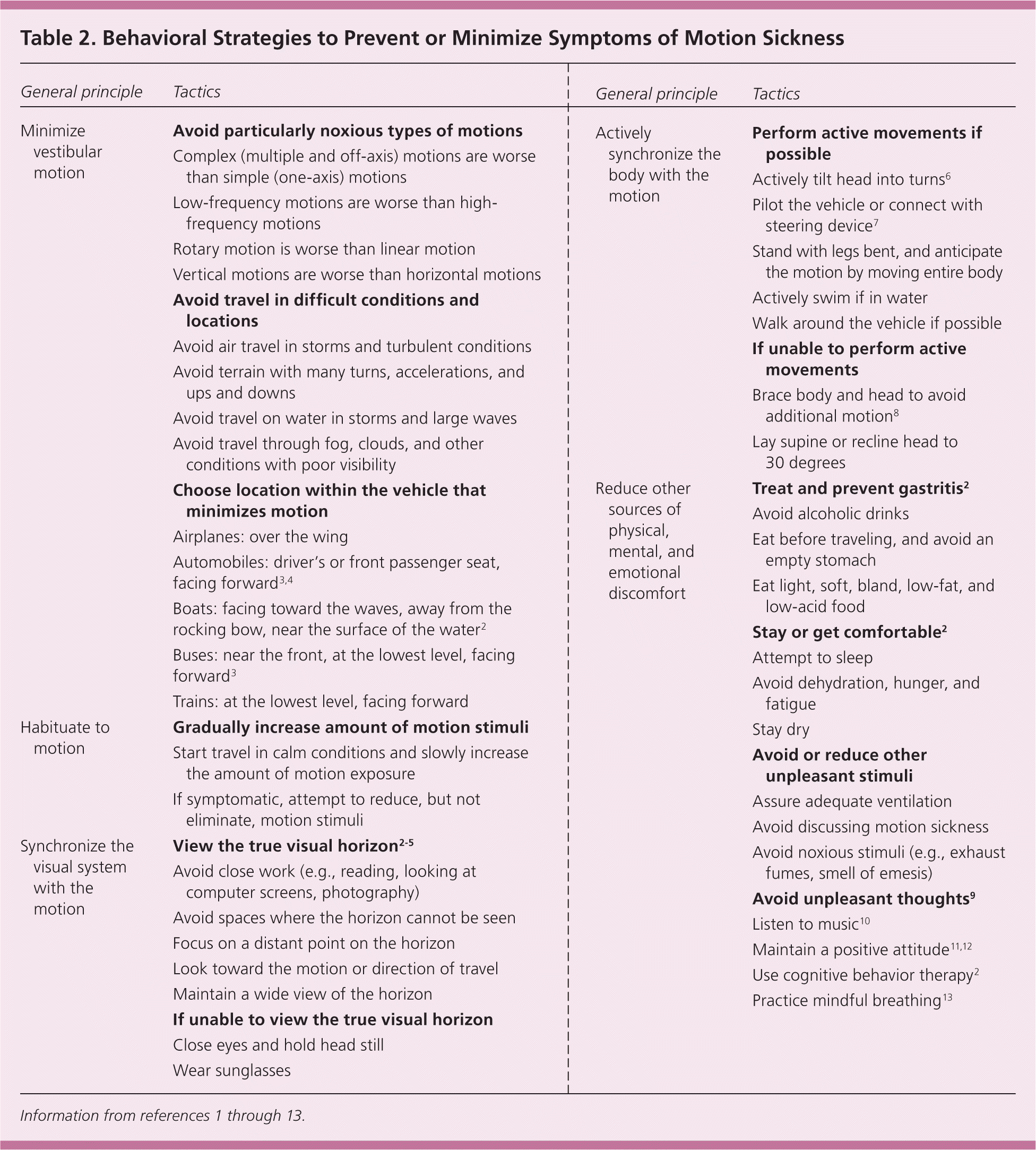
Prevention of motion sickness is more effective than treating symptoms after they have occurred. Therefore, patients should learn to identify situations that may lead to motion sickness and be able to initiate behavioral strategies to prevent or minimize symptoms1,2 (Table 2113 ).

Table 2. Behavioral Strategies to Prevent or Minimize Symptoms of Motion Sickness
General principleTactics
Minimize vestibular motion
  • Avoid particularly noxious types of motions

  • Complex (multiple and off-axis) motions are worse than simple (one-axis) motions

  • Low-frequency motions are worse than high-frequency motions

  • Rotary motion is worse than linear motion

  • Vertical motions are worse than horizontal motions

  • Avoid travel in difficult conditions and locations

  • Avoid air travel in storms and turbulent conditions

  • Avoid terrain with many turns, accelerations, and ups and downs

  • Avoid travel on water in storms and large waves

  • Avoid travel through fog, clouds, and other conditions with poor visibility

  • Choose location within the vehicle that minimizes motion

  • Airplanes: over the wing

  • Automobiles: driver's or front passenger seat, facing forward3,4

  • Boats: facing toward the waves, away from the rocking bow, near the surface of the water2

  • Buses: near the front, at the lowest level, facing forward3

  • Trains: at the lowest level, facing forward

Habituate to motion
  • Gradually increase amount of motion stimuli

  • Start travel in calm conditions and slowly increase the amount of motion exposure

  • If symptomatic, attempt to reduce, but not eliminate, motion stimuli

Synchronize the visual system with the motion
  • View the true visual horizon25

  • Avoid close work (e.g., reading, looking at computer screens, photography)

  • Avoid spaces where the horizon cannot be seen

  • Focus on a distant point on the horizon

  • Look toward the motion or direction of travel

  • Maintain a wide view of the horizon

  • If unable to view the true visual horizon

  • Close eyes and hold head still

  • Wear sunglasses

Actively synchronize the body with the motion
  • Perform active movements if possible

  • Actively tilt head into turns6

  • Pilot the vehicle or connect with steering device7

  • Stand with legs bent, and anticipate the motion by moving entire body

  • Actively swim if in water

  • Walk around the vehicle if possiblePerform active movements if possible

  • If unable to perform active movements

  • Brace body and head to avoid additional motion8

  • Lay supine or recline head to 30 degrees

Reduce other sources of physical, mental, and emotional discomfort
  • Treat and prevent gastritis2

  • Avoid alcoholic drinks

  • Eat before traveling, and avoid an empty stomach

  • Eat light, soft, bland, low-fat, and low-acid food

  • Stay or get comfortable2

  • Attempt to sleep

  • Avoid dehydration, hunger, and fatigue

  • Stay dry

  • Avoid or reduce other unpleasant stimuli

  • Assure adequate ventilation

  • Avoid discussing motion sickness

  • Avoid noxious stimuli (e.g., exhaust fumes, smell of emesis)

  • Avoid unpleasant thoughts9

  • Listen to music10

  • Maintain a positive attitude11,12

  • Use cognitive behavior therapy2

  • Practice mindful breathing13

Information from references 1 through 13.

MINIMIZE VESTIBULAR MOTION

Patients should be advised to avoid traveling in difficult weather conditions. If they must travel, they should sit in the part of the vehicle with the least amount of rotational and vertical motion.2 This is usually the lowest level in trains and buses, close to water level and in the center of boats, and over the wing on airplanes.

HABITUATE TO MOTION

With continuous exposure to motion, symptoms of motion sickness will usually subside in one to two days. Alternatively, slow, intermittent habituation to motion is an effective strategy to reduce symptoms.1 For example, spending the first night aboard a boat in the marina, followed by a day acclimating in the harbor, is preferable to going straight into the open ocean.

SYNCHRONIZE THE VISUAL SYSTEM WITH THE MOTION

A small study found that focusing on the true horizon (skyline) minimized symptoms of motion sickness.5 A survey of 3,256 bus passengers suggested that forward vision was helpful in reducing symptoms.3 Another study indicated that forward vision in a car can reduce symptoms.4

ACTIVELY SYNCHRONIZE THE BODY WITH THE MOTION

Actively steering the vehicle is an accepted strategy for reducing symptoms of motion sickness, although evidence is limited.7 Additionally, a small study of automobile passengers found that actively tilting the head into turns was effective in preventing symptoms.6 A survey of 260 cruise ship passengers supported the common advice to recline and passively stabilize themselves if they are unable to initiate active movements.8

REDUCE OTHER SOURCES OF PHYSICAL, MENTAL, AND EMOTIONAL DISCOMFORT

Frequent consumption of light, soft, bland, low-fat, and low-acid food can minimize symptoms of motion sickness.2 Treating gastritis is useful,2 as is avoiding nausea-inducing stimuli (e.g., alcohol, noxious odors). Discussing symptoms with others can exacerbate the condition. Passengers should be well rested, well hydrated, well fed, and comfortable before beginning travel. Small studies have shown that cognitive behavior therapy, mindful breathing, and listening to music may also reduce symptoms of motion sickness.9,10,13

Medications

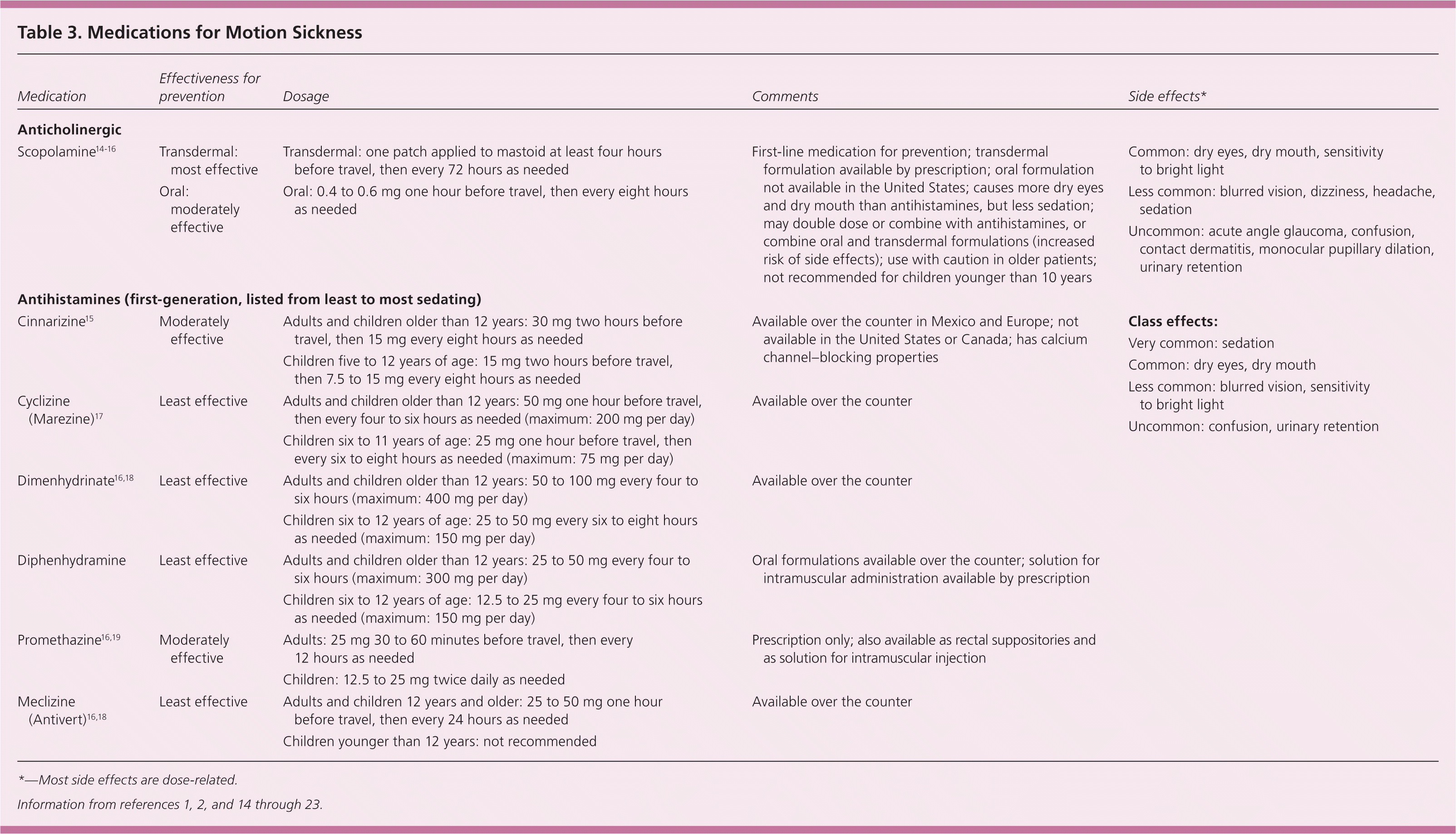
Medications are most effective when taken prophylactically before traveling, or as soon as possible after the onset of symptoms2 (Table 31,2,1423 ). Medications are most effective when combined with behavioral strategies. To familiarize themselves with common side effects, patients should first take medications in a comfortable environment before using them for motion sickness during travel.

Table 3. Medications for Motion Sickness
MedicationEffectiveness for preventionDosageCommentsSide effects*
Anticholinergic
Scopolamine1416 Transdermal: most effectiveTransdermal: one patch applied to mastoid at least four hours before travel, then every 72 hours as needed
  • First-line medication for prevention; transdermal formulation available by prescription; oral formulation not available in the United States; causes more dry eyes and dry mouth than antihistamines, but less sedation; may double dose or combine with antihistamines, or combine oral and transdermal formulations (increased risk of side effects); use with caution in older patients; not recommended for children younger than 10 years

  • Common: dry eyes, dry mouth, sensitivity to bright light

  • Less common: blurred vision, dizziness, headache, sedation

  • Uncommon: acute angle glaucoma, confusion, contact dermatitis, monocular pupillary dilation urinary retention

Oral: moderately effectiveOral: 0.4 to 0.6 mg one hour before travel, then every eight hours as needed
Antihistamines (first-generation, listed from least to most sedating)
Cinnarizine15 Moderately effective
  • Adults and children older than 12 years: 30 mg two hours before travel, then 15 mg every eight hours as needed

  • Children five to 12 years of age: 15 mg two hours before travel, then 7.5 to 15 mg every eight hours as needed

  • Available over the counter in Mexico and Europe; not available in the United States or Canada; has calcium channel–blocking properties

  • Class effects

  • Very common: sedation

  • Common: dry eyes, dry mouth

  • Less common: blurred vision, sensitivity to bright light

  • Uncommon: confusion, urinary retention

:
Cyclizine (Marezine)17 Least effective
  • Adults and children older than 12 years: 50 mg one hour before travel, then every four to six hours as needed (maximum: 200 mg per day)

  • Children six to 11 years of age: 25 mg one hour before travel, then every six to eight hours as needed (maximum: 75 mg per day)

  • Available over the counter

Dimenhydrinate16,18 Least effective
  • Adults and children older than 12 years: 50 to 100 mg every four to six hours (maximum: 400 mg per day)

  • Children six to 12 years of age: 25 to 50 mg every six to eight hours as needed (maximum: 150 mg per day)

  • Available over the counter

DiphenhydramineLeast effective
  • Adults and children older than 12 years: 25 to 50 mg every four to six hours (maximum: 300 mg per day)

  • Children six to 12 years of age: 12.5 to 25 mg every four to six hours as needed (maximum: 150 mg per day)

  • Oral formulations available over the counter; solution for intramuscular administration available by prescription

Promethazine16,19 Moderately effective
  • Adults: 25 mg 30 to 60 minutes before travel, then every 12 hours as needed

  • Children: 12.5 to 25 mg twice daily as needed

  • Prescription only; also available as rectal suppositories and as solution for intramuscular injection

Meclizine (Antivert)16,18 Least effective
  • Adults and children 12 years and older: 25 to 50 mg one hour before travel, then every 24 hours as needed

  • Children younger than 12 years: not recommended

  • Available over the counter

*—Most side effects are dose-related.

Information from references 1, 2, and 14 through 23.

SCOPOLAMINE

Scopolamine, an anticholinergic, is a first-line option for preventing motion sickness in persons who wish to maintain wakefulness during travel.2,20,24 A Cochrane review of 14 randomized controlled trials (RCTs) showed that scopolamine is effective for the prevention of motion sickness.14 A more recent RCT of 76 naval crew members showed that transdermal scopolamine is more effective and has fewer side effects than the antihistamine cinnarizine (not available in the United States).15 If the recommended dose of scopolamine does not adequately relieve symptoms, the dose may be doubled. Adding a second patch of transdermal scopolamine was well tolerated in a small RCT of 20 sailors.25

ANTIHISTAMINES

First-generation antihistamines have been used to treat motion sickness since the 1940s.1 They are generally recommended for patients who can tolerate their sedative effects.2,20 Cyclizine (Marezine), dimenhydrinate, promethazine, and meclizine (Antivert) demonstrated effectiveness in small RCTs of varying quality.1619 Nonsedating antihistamines are not effective in preventing or treating motion sickness.26

OTHER MEDICATIONS

Benzodiazepines are occasionally administered for severe symptoms of motion sickness and have been proven effective in a single small study.27 The serotonin agonist rizatriptan (Maxalt) reduced motion sickness symptoms in a single RCT of 25 patients with recurrent migraines.28 The serotonin antagonist ondansetron (Zofran) is ineffective for the prevention and treatment of motion sickness.29,30

COMPLEMENTARY AND ALTERNATIVE THERAPIES

Although ginger root is often reported to prevent motion sickness, it had no statistically significant effects in an RCT of 80 naval cadets.31 A single RCT of pregnant women showed that stimulation of the P6 acupressure point on the anterior wrist increased their tolerance of motion stimuli.32 Controlled trials of behavioral, pharmacologic, or alternative therapies for motion sickness have demonstrated strong placebo effects. Therefore, treatments are likely to be most effective if the patient believes that they will work.11,12

Data Sources: PubMed was searched using the MeSH headings motion sickness, ships, movement, space motion sickness, and travel. Additional searches were performed in Essential Evidence Plus, UpToDate, Medscape, and BMJ Clinical Evidence. Search dates: March 2012 through March 2014.

ANDREW BRAINARD, MD, MPH, FACEM, FACEP, is an emergency medicine physician at Middlemore Hospital, Auckland, New Zealand. He is co-director of emergency medical education for Middlemore Emergency Department and a senior lecturer at the University of Auckland School of Medicine.

CHIP GRESHAM, MD, FACEM, FAAEM, is an emergency medicine physician and medical toxicologist at Middlemore Hospital. He is the clinical director of medication safety at Middlemore Hospital, and a senior lecturer at the University of Auckland School of Medicine.

Address correspondence to Andrew Brainard, MD, MPH, Middlemore Hospital, 100 Hospital Rd., Papatoetoe, Auckland, New Zealand, 2025 (e-mail: abrainard01@gmail.com). Reprints are not available from the authors.

Author disclosure: No relevant financial affiliations.

  1. 1.Golding JF. Motion sickness susceptibility. Auton Neurosci. 2006;129(1–2):67-76.
  2. 2.Shupak A, Gordon CR. Motion sickness: advances in pathogenesis, prediction, prevention, and treatment. Aviat Space Environ Med. 2006;77(12):1213-1223.
  3. 3.Turner M, Griffin MJ. Motion sickness in public road transport: the relative importance of motion, vision and individual differences. Br J Psychol. 1999;90(pt 4):519-530.
  4. 4.Griffin MJ, Newman MM. Visual field effects on motion sickness in cars. Aviat Space Environ Med. 2004;75(9):739-748.
  5. 5.Bos JE, MacKinnon SN, Patterson A. Motion sickness symptoms in a ship motion simulator: effects of inside, outside, and no view. Aviat Space Environ Med. 2005;76(12):1111-1118.
  6. 6.Wada T, Konno H, Fujisawa S, Doi S. Can passengers' active head tilt decrease the severity of carsickness? Effect of head tilt on severity of motion sickness in a lateral acceleration environment. Hum Factors. 2012;54(2):226-234.
  7. 7.Rolnick A, Lubow RE. Why is the driver rarely motion sick? The role of controllability in motion sickness. Ergonomics. 1991;34(7):867-879.
  8. 8.Gahlinger PM. Cabin location and the likelihood of motion sickness in cruise ship passengers. J Travel Med. 2000;7(3):120-124.
  9. 9.Dobie TG, May JG. The effectiveness of a motion sickness counselling programme. Br J Clin Psychol. 1995;34(pt 2):301-311.
  10. 10.Yen Pik Sang FD, Billar JP, Golding JF, Gresty MA. Behavioral methods of alleviating motion sickness: effectiveness of controlled breathing and a music audiotape. J Travel Med. 2003;10(2):108-111.
  11. 11.Horing B, Weimer K, Schrade D, et al. Reduction of motion sickness with an enhanced placebo instruction: an experimental study with healthy participants. Psychosom Med. 2013;75(5):497-504.
  12. 12.Eden D, Zuk Y. Seasickness as a self-fulfilling prophecy: raising self-efficacy to boost performance at sea. J Appl Psychol. 1995;80(5):628-635.
  13. 13.Denise P, Vouriot A, Normand H, Golding JF, Gresty MA. Effect of temporal relationship between respiration and body motion on motion sickness. Auton Neurosci. 2009;151(2):142-146.
  14. 14.Spinks A, Wasiak J. Scopolamine (hyoscine) for preventing and treating motion sickness. Cochrane Database Syst Rev. 2011;6:CD002851.
  15. 15.Gil A, Nachum Z, Tal D, Shupak A. A comparison of cinnarizine and transdermal scopolamine for the prevention of seasickness in naval crew: a double-blind, randomized, crossover study. Clin Neuropharmacol. 2012;35(1):37-39.
  16. 16.Estrada A, LeDuc PA, Curry IP, Phelps SE, Fuller DR. Airsickness prevention in helicopter passengers. Aviat Space Environ Med. 2007;78(4):408-413.
  17. 17.Brand JJ, Colquhoun WP, Gould AH, Perry WL. (—)-Hyoscine and cyclizine as motion sickness remedies. Br J Pharmacol Chemother. 1967;30(3):463-469.
  18. 18.Weinstein SE, Stern RM. Comparison of marezine and dramamine in preventing symptoms of motion sickness. Aviat Space Environ Med. 1997;68(10):890-894.
  19. 19.Paul MA, MacLellan M, Gray G. Motion-sickness medications for aircrew: impact on psychomotor performance. Aviat Space Environ Med. 2005;76(6):560-565.
  20. 20.Sherman CR. Motion sickness: review of causes and preventive strategies. J Travel Med. 2002;9(5):251-256.
  21. 21.Zajonc TP, Roland PS. Vertigo and motion sickness. Part II: pharmacologic treatment. Ear Nose Throat J. 2006;85(1):25-35.
  22. 22.Gordon CR, Shupak A. Prevention and treatment of motion sickness in children. CNS Drugs. 1999;12(5):369-381.
  23. 23.McDonald K, Trick L, Boyle J. Sedation and antihistamines: an update. Review of inter-drug differences using proportional impairment ratios. Hum Psychopharmacol. 2008;23(7):555-570.
  24. 24.Nachum Z, Shupak A, Gordon CR. Transdermal scopolamine for prevention of motion sickness: clinical pharmacokinetics and therapeutic applications. Clin Pharmacokinet. 2006;45(6):543-566.
  25. 25.Bar R, Gil A, Tal D. Safety of double-dose transdermal scopolamine. Pharmacotherapy. 2009;29(9):1082-1088.
  26. 26.Cheung BS, Heskin R, Hofer KD. Failure of cetirizine and fexofenadine to prevent motion sickness. Ann Pharmacother. 2003;37(2):173-177.
  27. 27.McClure JA, Lycett P, Baskerville JC. Diazepam as an anti-motion sickness drug. J Otolaryngol. 1982;11(4):253-259.
  28. 28.Furman JM, Marcus DA, Balaban CD. Rizatriptan reduces vestibular-induced motion sickness in migraineurs. J Headache Pain. 2011;12(1):81-88.
  29. 29.Muth ER, Elkins AN. High dose ondansetron for reducing motion sickness in highly susceptible subjects. Aviat Space Environ Med. 2007;78(7):686-692.
  30. 30.Hershkovitz D, Asna N, Shupak A, Kaminski G, Bar R, Tal D. Ondansetron for the prevention of seasickness in susceptible sailors: an evaluation at sea. Aviat Space Environ Med. 2009;80(7):643-646.
  31. 31.Grøntved A, Brask T, Kambskard J, Hentzer E. Ginger root against seasickness. A controlled trial on the open sea. Acta Otolaryngol. 1988;105(1–2):45-49.
  32. 32.Alkaissi A, Ledin T, Odkvist LM, Kalman S. P6 acupressure increases tolerance to nauseogenic motion stimulation in women at high risk for PONV. Can J Anaesth. 2005;52(7):703-709.

Copyright © 2026 by the American Academy of Family Physicians.

This content is owned by the AAFP. A person viewing it online may make one printout of the material and may use that printout only for his or her personal, non-commercial reference. This material may not otherwise be downloaded, copied, printed, stored, transmitted or reproduced in any medium, whether now known or later invented, except as authorized in writing by the AAFP. See permissions for copyright questions and/or permission requests.