

Case Scenario
A 25-year-old woman came to my office as a new patient. With the assistance of a phone interpreter, I learned that she and her four-year-old daughter recently arrived from Somalia, and she thinks she may be pregnant. During the encounter, I asked if she had undergone female genital mutilation or cutting (FGM/C). She did not understand the question at first, and the translator had to explain. Because the patient's answer was unclear, I did not press further. Her pregnancy test was positive. How could I have better formulated my question, and what do I say when she comes back for her first prenatal visit? How do I counsel her if she has undergone FGM/C, especially concerning how it may affect her delivery?
Commentary
FGM/C involves partial or total removal of the external genitalia or other injury to the female genital organs for nonmedical reasons. It is considered a human rights violation.1 It has no known health benefits, but many reported harmful consequences. According to the World Health Organization, more than 200 million women and girls around the world are affected by FGM/C.1 Each year, an estimated 3 million girls are at risk of undergoing FGM/C, generally before 15 years of age.1
FGM/C is practiced in about 30 countries, primarily in Africa, the Middle East, and Southeast Asia. It is a cultural practice strongly tied to ethnicity, and is performed for a variety of reasons, including to fulfill a rite of passage, confer a sense of ethnic identity, ensure social acceptance, safeguard virginity, and promote marriageability and fidelity, or beliefs about aesthetic ideals and cleanliness. Some groups believe that FGM/C is a religious requirement, but it is not mentioned in any major religious texts, including the Koran or the Bible.1 In some countries, the prevalence of FGM/C surpasses 80%.2
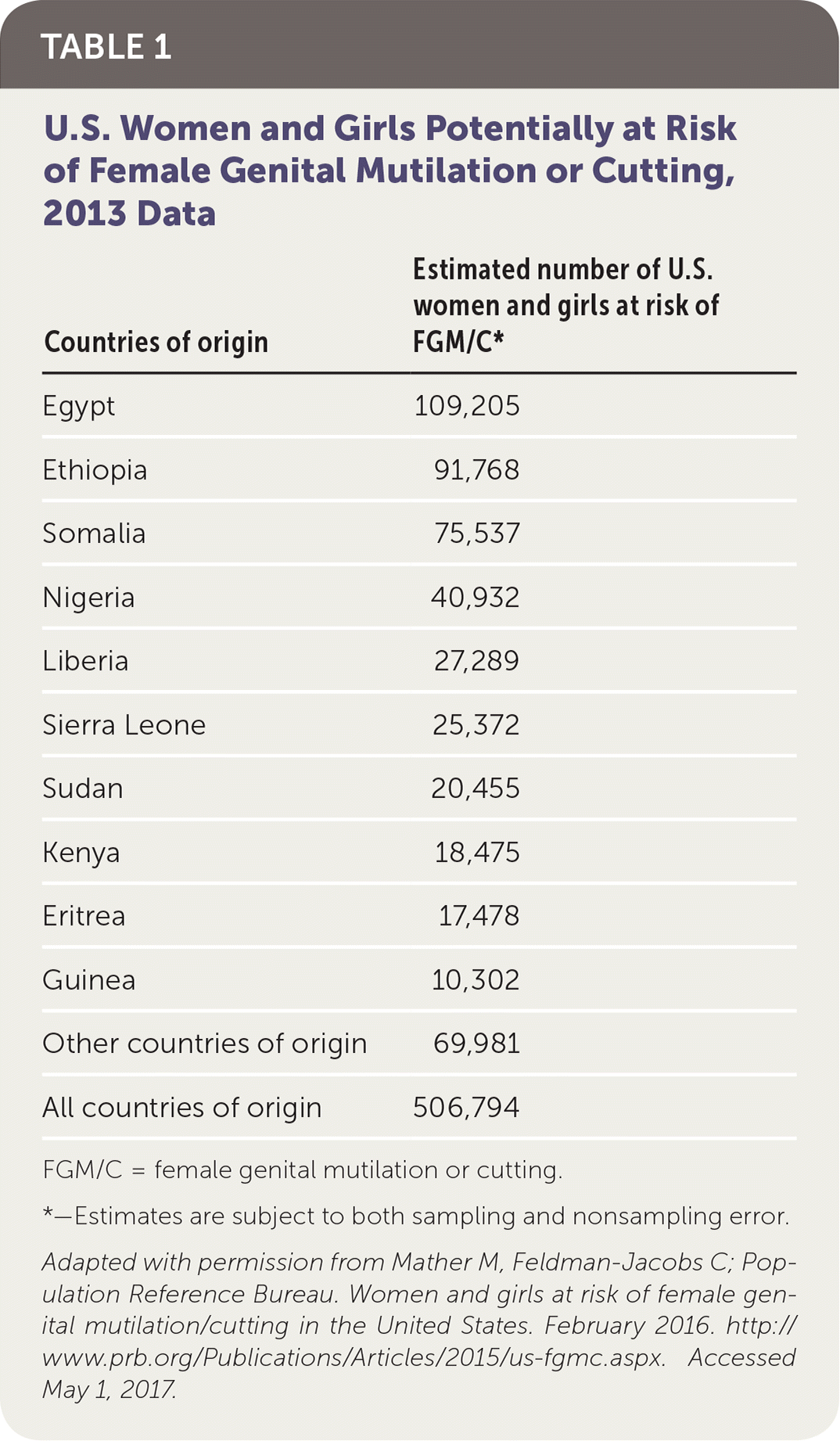
An estimated 513,000 women and girls have immigrated to the United States from FGM/C–practicing countries or have been born in the United States to mothers from these countries, which, according to the Centers for Disease Control and Prevention, puts many of them at risk of FGM/C and its consequences.3,4 Approximately 55% of these women and girls come from Egypt, Ethiopia, or Somalia (Table 1).4
TABLE 1. U.S. Women and Girls Potentially at Risk of Female Genital Mutilation or Cutting, 2013 Data
| Countries of origin | Estimated number of U.S. women and girls at risk of FGM/C* |
|---|---|
| Egypt | 109,205 |
| Ethiopia | 91,768 |
| Somalia | 75,537 |
| Nigeria | 40,932 |
| Liberia | 27,289 |
| Sierra Leone | 25,372 |
| Sudan | 20,455 |
| Kenya | 18,475 |
| Eritrea | 17,478 |
| Guinea | 10,302 |
| Other countries of origin | 69,981 |
| All countries of origin | 506,794 |
FGM/C = female genital mutilation or cutting.
*—Estimates are subject to both sampling and nonsampling error.
Adapted with permission from Mather M, Feldman-Jacobs C; Population Reference Bureau. Women and girls at risk of female genital mutilation/cutting in the United States. February 2016. http://www.prb.org/Publications/Articles/2015/us-fgmc.aspx. Accessed May 1, 2017.
Although the distribution of women and girls affected by or at risk of FGM/C varies across the United States, certain urban areas (e.g., New York; Washington, DC; Minneapolis–St. Paul; Los Angeles; Seattle) have higher concentrations of women and girls living with or at risk of FGM/C.4
PATIENT EVALUATION
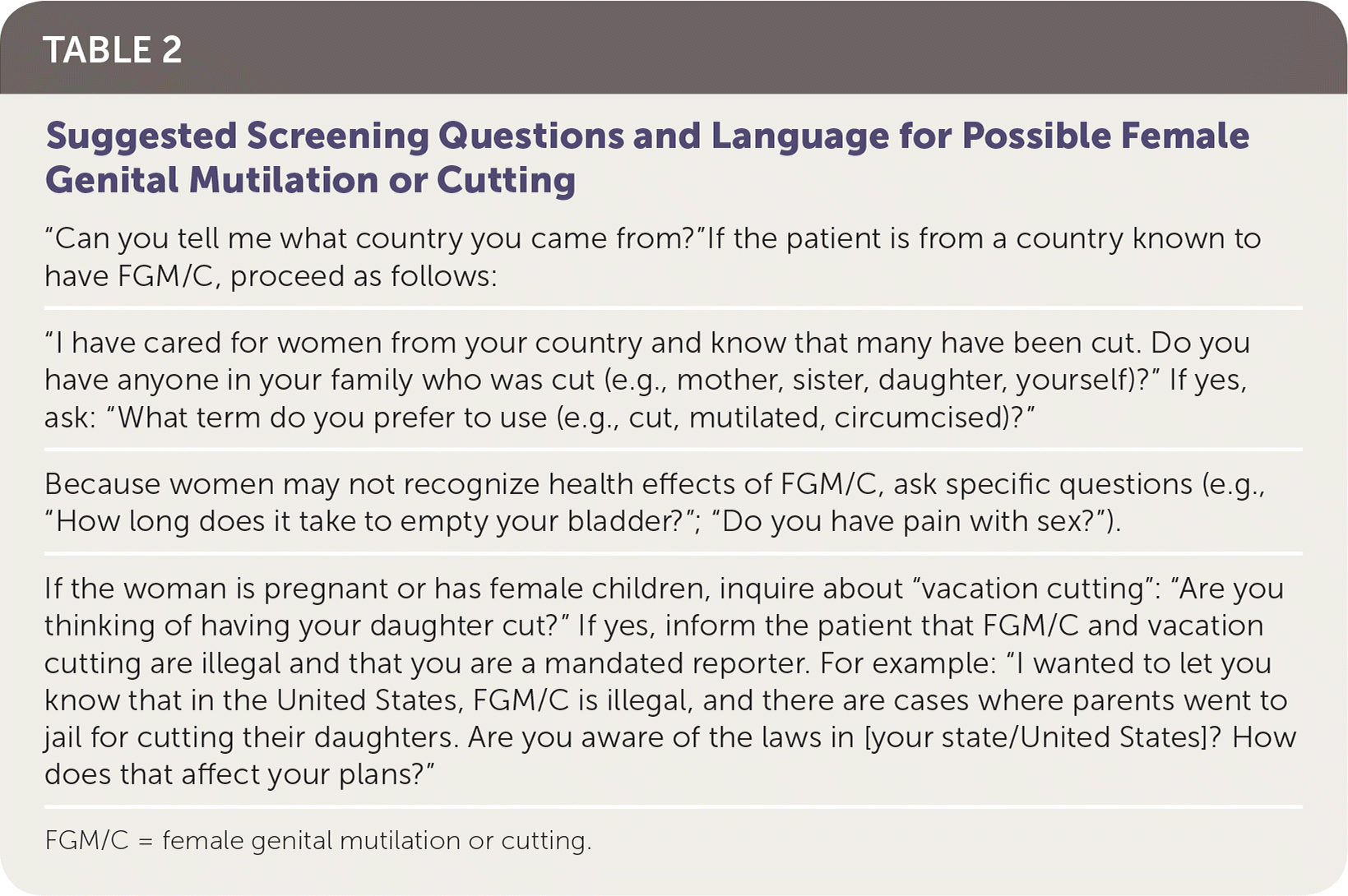
There are no studies evaluating the benefits of screening for FGM/C in women and girls from certain countries, nor are there currently any validated tools. Most experts recommend screening women from countries where the practice is prevalent to anticipate possible pregnancy-related issues, prepare for what might be encountered during pelvic examinations, and assess the risk of FGM/C in female offspring.5–8 Table 2 offers suggested screening questions for patients from these countries.
TABLE 2. Suggested Screening Questions and Language for Possible Female Genital Mutilation or Cutting
| “Can you tell me what country you came from?”If the patient is from a country known to have FGM/C, proceed as follows: |
| “I have cared for women from your country and know that many have been cut. Do you have anyone in your family who was cut (e.g., mother, sister, daughter, yourself)?” If yes, ask: “What term do you prefer to use (e.g., cut, mutilated, circumcised)?” |
| Because women may not recognize health effects of FGM/C, ask specific questions (e.g., “How long does it take to empty your bladder?”; “Do you have pain with sex?”). |
| If the woman is pregnant or has female children, inquire about “vacation cutting”: “Are you thinking of having your daughter cut?” If yes, inform the patient that FGM/C and vacation cutting are illegal and that you are a mandated reporter. For example: “I wanted to let you know that in the United States, FGM/C is illegal, and there are cases where parents went to jail for cutting their daughters. Are you aware of the laws in [your state/United States]? How does that affect your plans?” |
FGM/C = female genital mutilation or cutting.
Clinicians should be aware that FGM/C might be a difficult topic for migrant women to discuss given the taboo nature of the practice and issues related to sexuality in general. Additionally, these women may be concerned about stigma, judgmental reactions from clinicians unfamiliar with the practice, or even implications for immigration status. When discussing FGM/C with patients, clinicians should note that multiple terms (e.g., mutilation, cutting, circumcision, purification) are used to describe this practice, depending on the country of origin or the value it holds for the woman. Clinicians should try to identify and use the woman's preferred term for the practice. Definitions and terms for FGM/C can be found at http://nationalfgmcentre.org.uk/wp-content/uploads/2017/10/FGM-Terminology-for-Website.pdf.
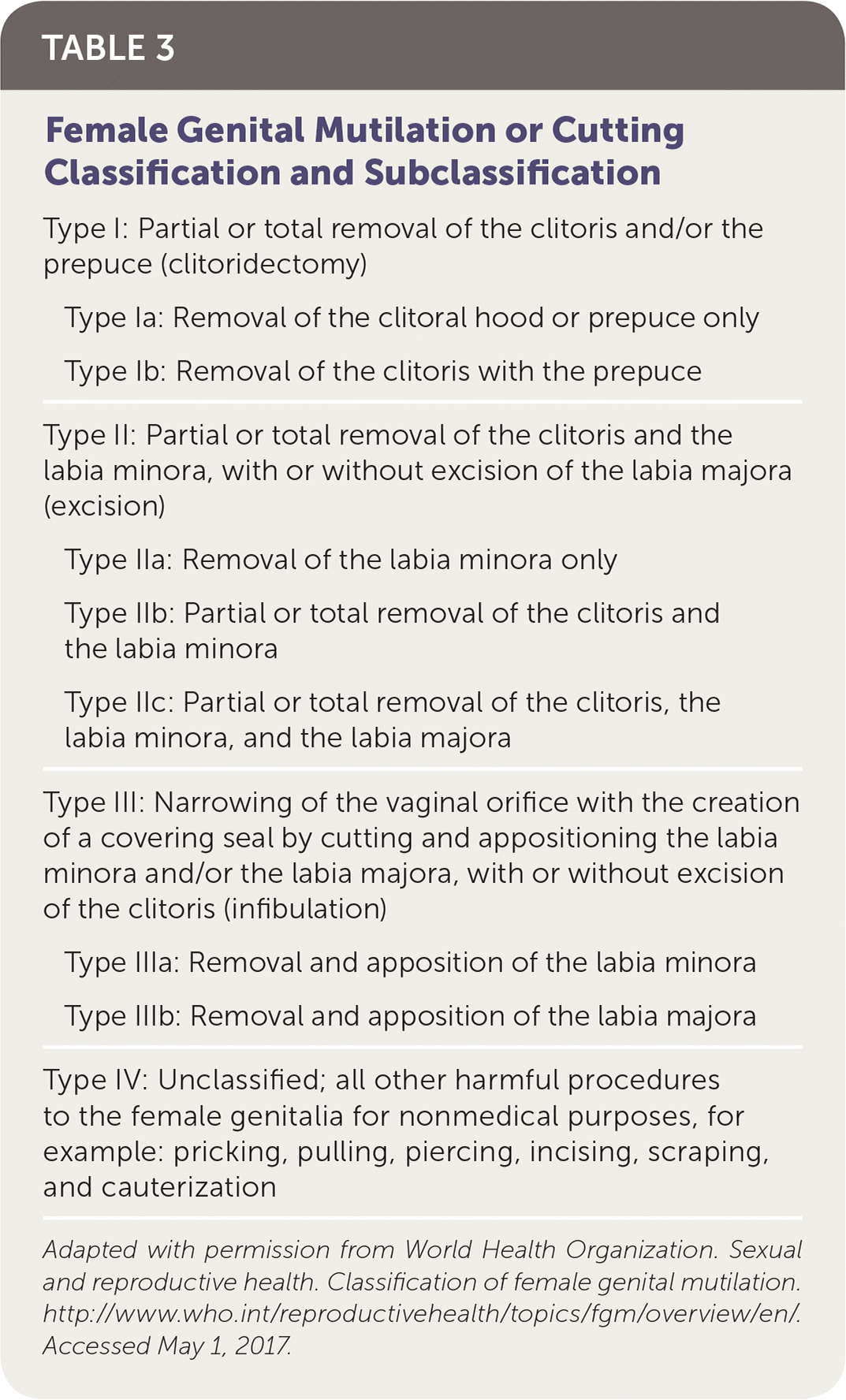
Pelvic examinations, especially as part of a well-woman examination, may be more difficult to perform in women affected by FGM/C. When indicated, a genital examination of women from an FGM/C–practicing area should include inspection of the vulva to determine the type of FGM/C (Table 39 ), visualization of the clitoral area and urethral meatus, and evaluation of any other FGM/C–related comorbidities (e.g., epidermoid inclusion cysts, scarring).6 FGM/C can be easily missed on examination. Type III (infibulation) is the most obvious, but other types, especially types I and IV, may be difficult to identify. A visual reference of FGM/C provides valuable points of reference for clinicians.10
TABLE 3. Female Genital Mutilation or Cutting Classification and Subclassification
| Type I: Partial or total removal of the clitoris and/or the prepuce (clitoridectomy) | |
| Type Ia: Removal of the clitoral hood or prepuce only | |
| Type Ib: Removal of the clitoris with the prepuce | |
| Type II: Partial or total removal of the clitoris and the labia minora, with or without excision of the labia majora (excision) | |
| Type IIa: Removal of the labia minora only | |
| Type IIb: Partial or total removal of the clitoris and the labia minora | |
| Type IIc: Partial or total removal of the clitoris, the labia minora, and the labia majora | |
| Type III: Narrowing of the vaginal orifice with the creation of a covering seal by cutting and appositioning the labia minora and/or the labia majora, with or without excision of the clitoris (infibulation) | |
| Type IIIa: Removal and apposition of the labia minora | |
| Type IIIb: Removal and apposition of the labia majora | |
| Type IV: Unclassified; all other harmful procedures to the female genitalia for nonmedical purposes, for example: pricking, pulling, piercing, incising, scraping, and cauterization | |
Adapted with permission from World Health Organization. Sexual and reproductive health. Classification of female genital mutilation. http://www.who.int/reproductivehealth/topics/fgm/overview/en/. Accessed May 1, 2017
Genital scarring or the narrowing of the introitus in women with type III FGM/C may make a speculum examination challenging or impossible to perform. Small speculums should be available to facilitate screening.11
CLINICAL APPROACH
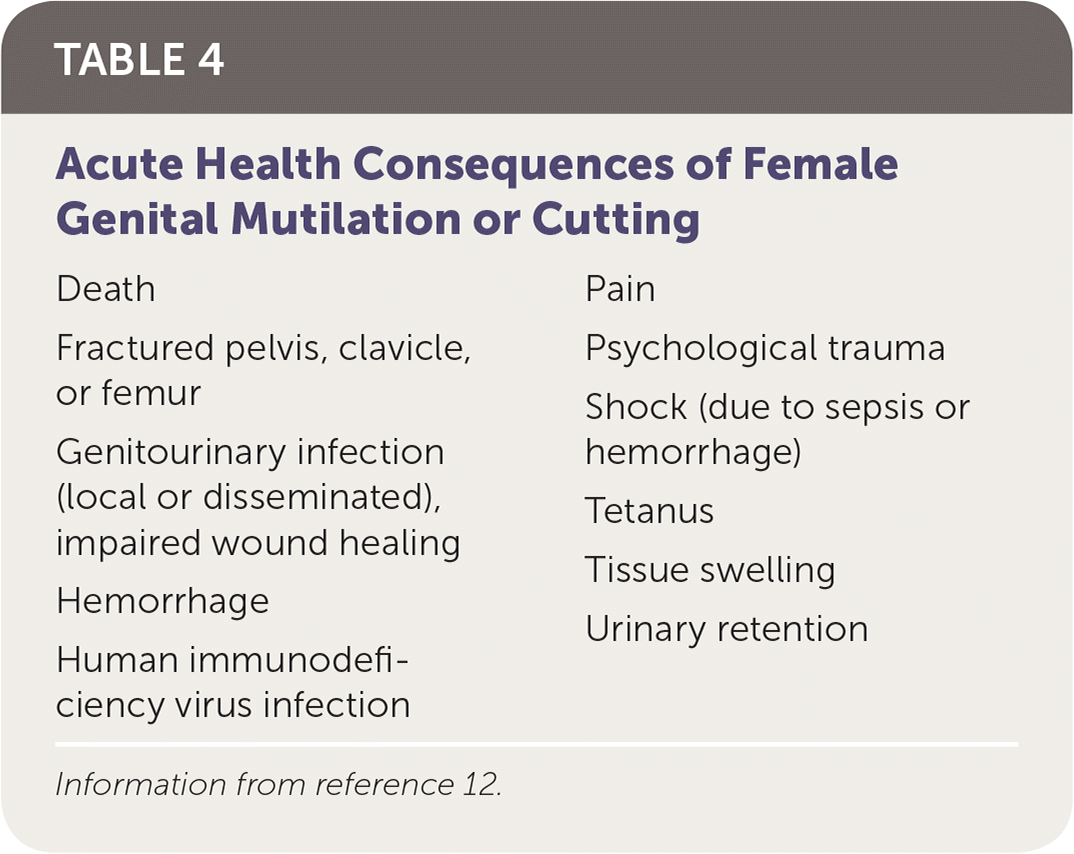
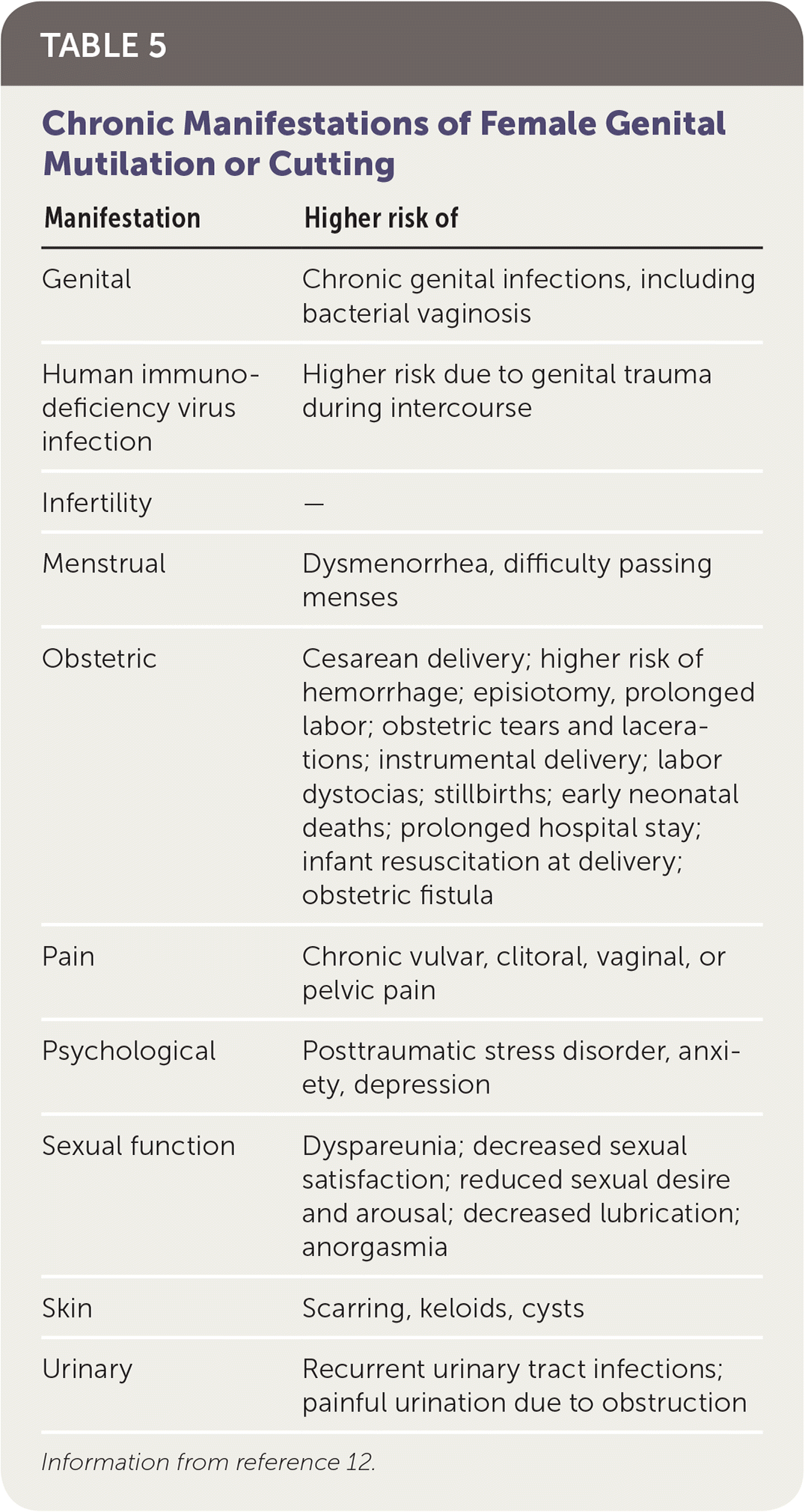
FGM/C is associated with acute and chronic complications (Table 4 and Table 5).12 Most clinicians in the United States who encounter these patients as immigrants or refugees likely care for women with chronic complications. Chronic pelvic pain, sexual dysfunction, genitourinary cysts and neuromas, and infertility can be treated using surgical or nonsurgical approaches. Nonsurgical interventions for pelvic pain include the use of lubricants, topical lidocaine, and behavior modifications, such as avoiding activities (e.g., cycling) that put pressure on the vaginal area.1 Sex therapy has been successful in improving sexual function.13 Women experiencing complications from type III FGM/C should be offered defibulation (i.e., releasing the scar from the narrowed vaginal opening).1
TABLE 4. Acute Health Consequences of Female Genital Mutilation or Cutting
| Death |
| Fractured pelvis, clavicle, or femur |
| Genitourinary infection (local or disseminated), impaired wound healing |
| Hemorrhage |
| Human immunodeficiency virus infection |
| Pain |
| Psychological trauma |
| Shock (due to sepsis or hemorrhage) |
| Tetanus |
| Tissue swelling |
| Urinary retention |
Information from reference 12.
TABLE 5. Chronic Manifestations of Female Genital Mutilation or Cutting Mutilation or Cutting
| Manifestation | Higher risk of |
|---|---|
| Genital | Chronic genital infections, including bacterial vaginosis |
| Human immunodeficiency virus infection | Higher risk due to genital trauma during intercourse |
| Infertility | — |
| Menstrual | Dysmenorrhea, difficulty passing menses |
| Obstetric | Cesarean delivery; higher risk of hemorrhage; episiotomy, prolonged labor; obstetric tears and lacerations; instrumental delivery; labor dystocias; stillbirths; early neonatal deaths; prolonged hospital stay; infant resuscitation at delivery; obstetric fistula |
| Pain | Chronic vulvar, clitoral, vaginal, or pelvic pain |
| Psychological | Posttraumatic stress disorder, anxiety, depression |
| Sexual function | Dyspareunia; decreased sexual satisfaction; reduced sexual desire and arousal; decreased lubrication; anorgasmia |
| Skin | Scarring, keloids, cysts |
| Urinary | Recurrent urinary tract infections; painful urination due to obstruction |
Information from reference 12.
Women who have undergone FGM/C, especially those coming into sexual maturity or who report sexual dysfunction, should be counseled that evidence suggests that they have functional erectile tissue and the potential for orgasm and pleasure. This may help reduce the stigma and sense of loss related to FGM/C.14
It is important to build an interprofessional referral network that allows women to access a multidisciplinary plan of care. This team should include obstetrician/gynecologists (including adolescent gynecology), urogynecologists, sexologists, physical therapists, and mental health professionals.
FGM/C is associated with negative obstetric outcomes, including a higher risk of postpartum hemorrhage, longer hospital stays, and the need for neonatal resuscitation. These risks are increased in women with type III FGM/C.15 In the context of resettlement, poor obstetric outcomes have been associated with poor patient-clinician communication and lack of trust.16–18 Antepartum or intrapartum (first or second stage) defibulation is a reasonable option for pregnant women with type III FGM/C, and the plan should be developed in coordination with the patient and her partner or other valued family member.19
There have been multiple cases of FGM/C performed in the United States by parents and health professionals.20–23 The American Academy of Pediatrics Immigrant Toolkit, which is available at https://www.aap.org/en-us/Documents/cocp_toolkit_full.pdf, recommends inquiring about a history of FGM/C depending on the parents' country of origin and the mother's own FGM/C status. Family physicians should consider performing a genital examination in all children at every well-child visit evaluating for clinical findings, including FGM/C.
LEGAL ISSUES
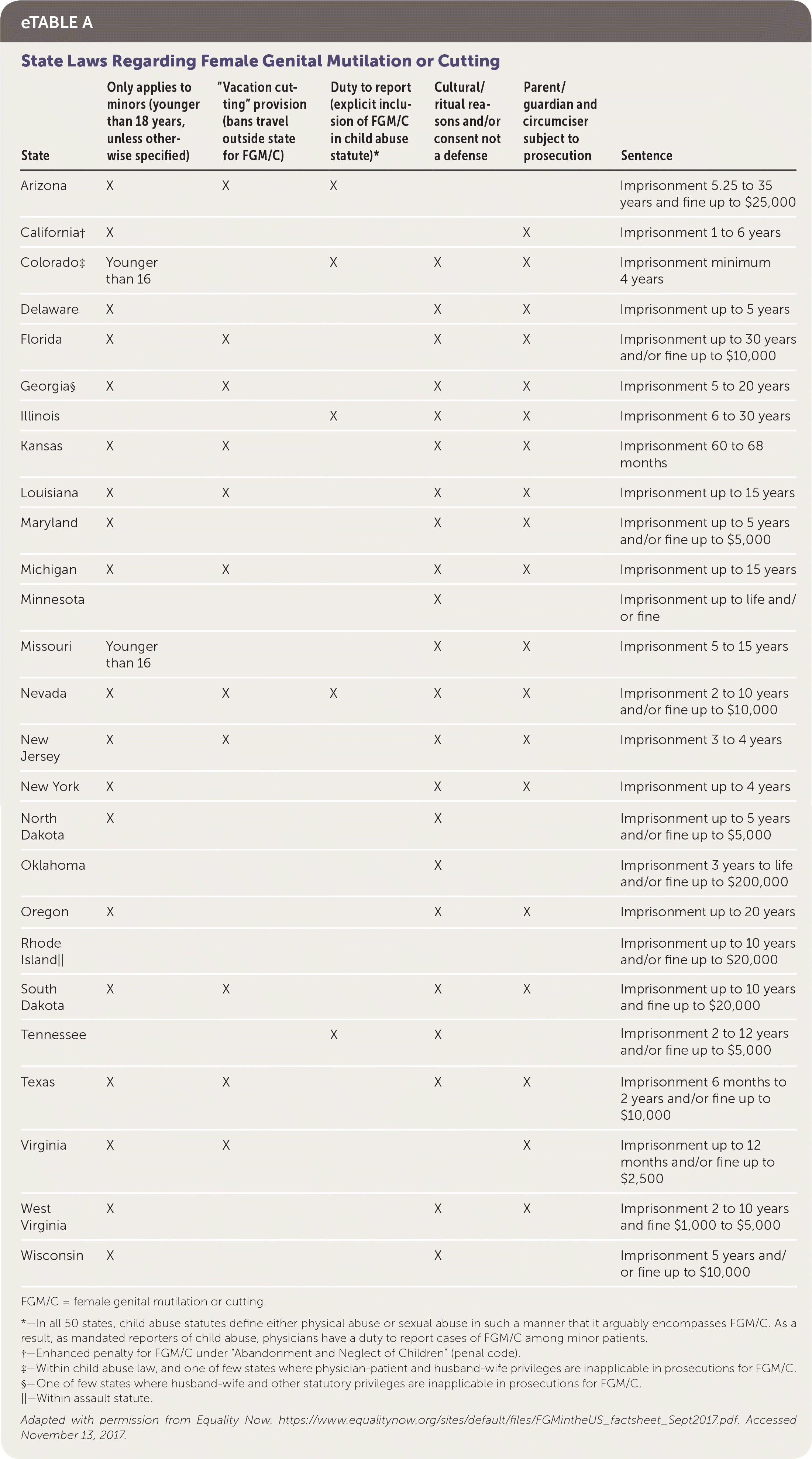
Because FGM/C is considered a human rights violation,1 clinicians should be aware of federal and state laws concerning FGM/C and associated mandatory reporting duties. The 1996 federal law bans the performance of FGM/C on girls younger than 18 years.24 In 2013, the federal law was amended to include a provision banning “vacation cutting” (i.e., immigrant girls being sent to their home country for FGM/C, especially during summer months). Individuals found to be in violation of the federal FGM/C law face penalties of fines, imprisonment for no more than five years, or both.24 A total of 26 states have laws prohibiting FGM/C, including 11 states that also explicitly ban vacation cutting to undergo FGM/C as part of coming-of-age ceremonies and family celebrations.25 eTable A provides a summary of state laws on FGM/C.
eTABLE A State Laws Regarding Female Genital Mutilation or Cutting
| State | Only applies to minors (younger than 18 years, unless otherwise specified) | “Vacation cutting” provision (bans travel outside state for FGM/C) | Duty to report (explicit inclusion of FGM/C in child abuse statute)* | Cultural/ritual reasons and/or consent not a defense | Parent/guardian and circumciser subject to prosecution | Sentence |
|---|---|---|---|---|---|---|
| Arizona | X | X | X | Imprisonment 5.25 to 35 years and fine up to $25,000 | ||
| California† | X | X | Imprisonment 1 to 6 years | |||
| Colorado‡ | Younger than 16 | X | X | X | Imprisonment minimum 4 years | |
| Delaware | X | X | X | Imprisonment up to 5 years | ||
| Florida | X | X | X | X | Imprisonment up to 30 years and/or fine up to $10,000 | |
| Georgia§ | X | X | X | X | Imprisonment 5 to 20 years | |
| Illinois | X | X | X | Imprisonment 6 to 30 years | ||
| Kansas | X | X | X | X | Imprisonment 60 to 68 months | |
| Louisiana | X | X | X | X | Imprisonment up to 15 years | |
| Maryland | X | X | X | Imprisonment up to 5 years and/or fine up to $5,000 | ||
| Michigan | X | X | X | X | Imprisonment up to 15 years | |
| Minnesota | X | Imprisonment up to life and/or fine | ||||
| Missouri | Younger than 16 | X | X | Imprisonment 5 to 15 years | ||
| Nevada | X | X | X | X | X | Imprisonment 2 to 10 years and/or fine up to $10,000 |
| New Jersey | X | X | X | X | Imprisonment 3 to 4 years | |
| New York | X | X | X | Imprisonment up to 4 years | ||
| North Dakota | X | X | Imprisonment up to 5 years and/or fine up to $5,000 | |||
| Oklahoma | X | Imprisonment 3 years to life and/or fine up to $200,000 | ||||
| Oregon | X | X | X | Imprisonment up to 20 years | ||
| Rhode Island|| | Imprisonment up to 10 years and/or fine up to $20,000 | |||||
| South Dakota | X | X | X | X | Imprisonment up to 10 years and fine up to $20,000 | |
| Tennessee | X | X | Imprisonment 2 to 12 years and/or fine up to $5,000 | |||
| Texas | X | X | X | X | Imprisonment 6 months to 2 years and/or fine up to $10,000 | |
| Virginia | X | X | X | Imprisonment up to 12 months and/or fine up to $2,500 | ||
| West Virginia | X | X | X | Imprisonment 2 to 10 years and fine $1,000 to $5,000 | ||
| Wisconsin | X | X | Imprisonment 5 years and/or fine up to $10,000 |
FGM/C = female genital mutilation or cutting.
*—In all 50 states, child abuse statutes define either physical abuse or sexual abuse in such a manner that it arguably encompasses FGM/C. As a result, as mandated reporters of child abuse, physicians have a duty to report cases of FGM/C among minor patients.
†—Enhanced penalty for FGM/C under “Abandonment and Neglect of Children” (penal code).
‡—Within child abuse law, and one of few states where physician-patient and husband-wife privileges are inapplicable in prosecutions for FGM/C.
§—One of few states where husband-wife and other statutory privileges are inapplicable in prosecutions for FGM/C.
||—Within assault statute.
Adapted with permission from Equality Now. https://www.equalitynow.org/sites/default/files/FGMintheUS_factsheet_Sept2017.pdf. Accessed November 13, 2017.
