KardiaMobile is a mobile, single-lead electrocardiogram (ECG) device that has been approved by the U.S. Food and Drug Administration for detection of atrial fibrillation (AF), bradycardia, and tachycardia.1 It connects wirelessly to a smartphone application to provide the ECG tracing and automated interpretation. KardiaMobile may be used by health care professionals, adults with known or suspected heart conditions, and health-conscious individuals to record, store, and display single-channel ECG rhythms.
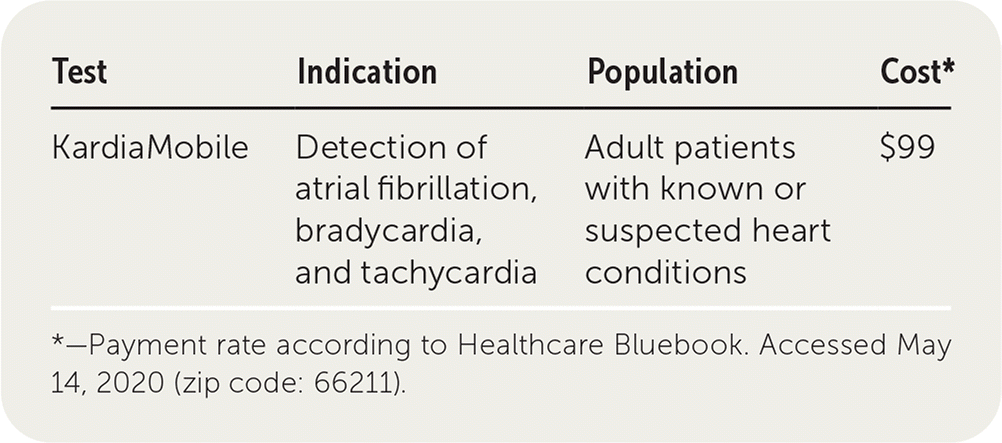
| Test | Indication | Population | Cost* |
|---|---|---|---|
| KardiaMobile | Detection of atrial fibrillation, bradycardia, and tachycardia | Adult patients with known or suspected heart conditions | $99 |
*—Payment rate according to Healthcare Bluebook. Accessed May 14, 2020 (zip code: 66211).
Accuracy
A study conducted in a single outpatient cardiology clinic compared KardiaMobile with a standard 12-lead ECG read by a cardiologist. The study included 233 patients with a mean age of 58 years. Most patients presented with paroxysmal AF, palpitations of unknown origin, or episodes of near collapse. The sensitivity and specificity of KardiaMobile were 92% and 95%, respectively, for AF; 85% and 83% for normal sinus rhythm (without premature atrial or ventricular contractions); and 84% and 91% for any form of sinus rhythm (with or without premature atrial or ventricular contractions).2
Another study involving 55 patients who underwent AF ablation found a sensitivity of 100% and specificity of 97% for AF or flutter.3 A third study of 381 university athletes, nonathlete university students, and patients in a cardiology clinic reported 94% sensitivity and specificity for AF.4
In 42 patients with a mean age of 69 years who had paroxysmal AF after cardiac surgery but were discharged home in sinus rhythm, KardiaMobile was used to identify AF recurrence within four weeks of discharge. In the participants with recurrent AF, sensitivity was 94.6% and specificity was 92.9%.5
Benefit
The KardiaMobile ECG recording pad is small enough to be carried in the sleeve of a smartphone. The patient should be instructed to place one finger of each hand on each of the two conducting plates on the device. The KardiaMobile device will produce a reading within 30 seconds.
KardiaMobile effectively detects AF, but there are no data comparing its performance with a Holter or event monitor. It is also not known how KardiaMobile impacts downstream testing or patient outcomes. According to the U.S. Preventive Services Task Force, current evidence is insufficient to assess the balance of benefits and harms of ECG screening for AF because of a lack of information on stroke risk and benefit of anticoagulation in asymptomatic patients with screening-detected AF (as opposed to clinically detected).6,7 There are no studies of the use of KardiaMobile in detection of other arrhythmias for prevention of sudden cardiac death or acute coronary syndrome.8,9
Harms
KardiaMobile has no direct physical harms. However, in patients not at high risk of AF, its lower specificity could lead to false-positive results that potentially increase patient anxiety, unnecessary medical visits, and iatrogenic harm from complications of diagnostic testing. The widespread use of KardiaMobile and similar devices could lead many patients to seek care for misdiagnosed AF.
Cost
The cost of the KardiaMobile device is $99. The additional cost of a smartphone clip is $15.10 Compared with the estimated fair price of $200 for a Holter monitor for single episode use, KardiaMobile is less expensive, but clinicians generally order Holter monitors for select patients based on clinical suspicion, whereas anyone can buy the KardiaMobile device.10 Given the high rate of false-positive results and the need for confirmatory testing when using KardiaMobile, it is unlikely to be cost-effective.
Bottom Line
KardiaMobile is user-friendly and can aid physicians in diagnosing AF in high-risk patients. It offers affordable out-of-pocket cost and may also be useful for longer-term monitoring of patients with known AF and palpitations of uncertain etiology. However, there are no data showing that KardiaMobile is comparable with a standard Holter or event monitor, impacts downstream testing, or leads to improved patient outcomes. Further studies are needed before KardiaMobile can be recommended for use in seemingly healthy patients.