

Generalized Anxiety Disorder and Panic Disorder in Adults

Katharine C. DeGeorge, MD, MS
Molly Grover, MD
Gregory S. Streeter, MD

American Family Physician. 2022;106(2):157-164.

Author disclosure: No relevant financial relationships.

Patient information: See related handout on anxiety and panic disorders, written by the authors of this article.

Generalized anxiety disorder (GAD) and panic disorder (PD) are common mental health conditions in adults that are often seen in primary care. Although there is insufficient evidence to support universal screening for PD and GAD, evaluation should be considered in patients who express recurrent, pervasive worry or present with somatic symptoms not attributed to underlying medical conditions. The GAD-7 and Patient Health Questionnaire for PD are validated screening tools that can aid in diagnosis and assessment. Anxiety disorders often present with substance use disorders, which should be treated concurrently. Effective therapies for PD and GAD include cognitive behavior therapy and anti-depressants, including selective serotonin reuptake inhibitors and serotonin-norepinephrine reuptake inhibitors. Benzodiazepines are not recommended for first-line therapy or long-term use because of adverse reactions, risk of dependence, and higher mortality. No consistent evidence currently supports a specific prevention strategy for PD or GAD, but exercise may be beneficial.

Anxiety disorders are some of the most common mental health conditions seen in primary care, with generalized anxiety disorder (GAD) and panic disorder (PD) being the most common anxiety disorders in adults.1 Patients with anxiety disorders are more likely than those unaffected to also have other chronic medical problems and are twice as likely to present with somatic symptoms.2 Integrating mental health services with primary care decreases treatment costs and increases access to care.3 This article summarizes the diagnosis and management of GAD and PD in the general adult population.

SORT: KEY RECOMMENDATIONS FOR PRACTICE
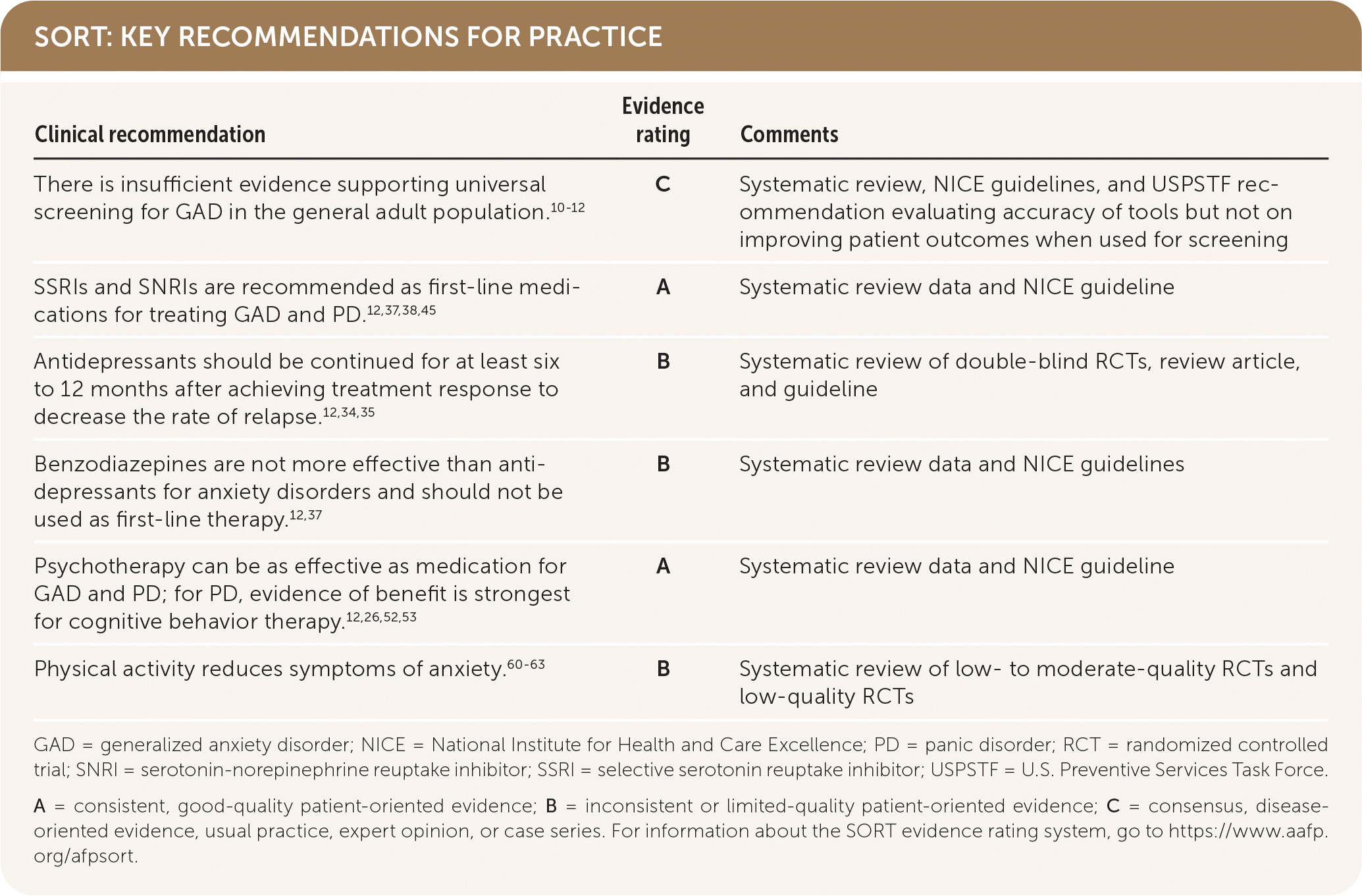
Clinical recommendation Evidence rating Comments
There is insufficient evidence supporting universal screening for GAD in the general adult population.1012 C Systematic review, NICE guidelines, and USPSTF recommendation evaluating accuracy of tools but not on improving patient outcomes when used for screening
SSRIs and SNRIs are recommended as first-line medications for treating GAD and PD.12,37,38,45 A Systematic review data and NICE guideline
Antidepressants should be continued for at least six to 12 months after achieving treatment response to decrease the rate of relapse.12,34,35 B Systematic review of double-blind RCTs, review article, and guideline
Benzodiazepines are not more effective than anti-depressants for anxiety disorders and should not be used as first-line therapy.12,37 B Systematic review data and NICE guidelines
Psychotherapy can be as effective as medication for GAD and PD; for PD, evidence of benefit is strongest for cognitive behavior therapy.12,26,52,53 A Systematic review data and NICE guideline
Physical activity reduces symptoms of anxiety.6063 B Systematic review of low- to moderate-quality RCTs and low-quality RCTs

GAD = generalized anxiety disorder; NICE = National Institute for Health and Care Excellence; PD = panic disorder; RCT = randomized controlled trial; SNRI = serotonin-norepinephrine reuptake inhibitor; SSRI = selective serotonin reuptake inhibitor; USPSTF = U.S. Preventive Services Task Force.

A = consistent, good-quality patient-oriented evidence; B = inconsistent or limited-quality patient-oriented evidence; C = consensus, disease-oriented evidence, usual practice, expert opinion, or case series. For information about the SORT evidence rating system, go to https://www.aafp.org/afpsort.

Typical Presentation and Diagnostic Criteria

GENERALIZED ANXIETY DISORDER

GAD is defined by the Diagnostic and Statistical Manual of Mental Disorders, 5th ed. (DSM-5) as excessive worry that occurs on most days for at least six months and causes significant distress or impairment (Table 1).4 Clinically, GAD most commonly presents as excessive worry about minor issues, often manifesting with somatic symptoms and pathologic behavioral changes.5 Most studies suggest a peak onset of GAD during late adolescence or early adulthood, but it can also present later in life.6

TABLE 1. Generalized Anxiety Disorder Diagnostic Criteria 300.02 (F41.1)
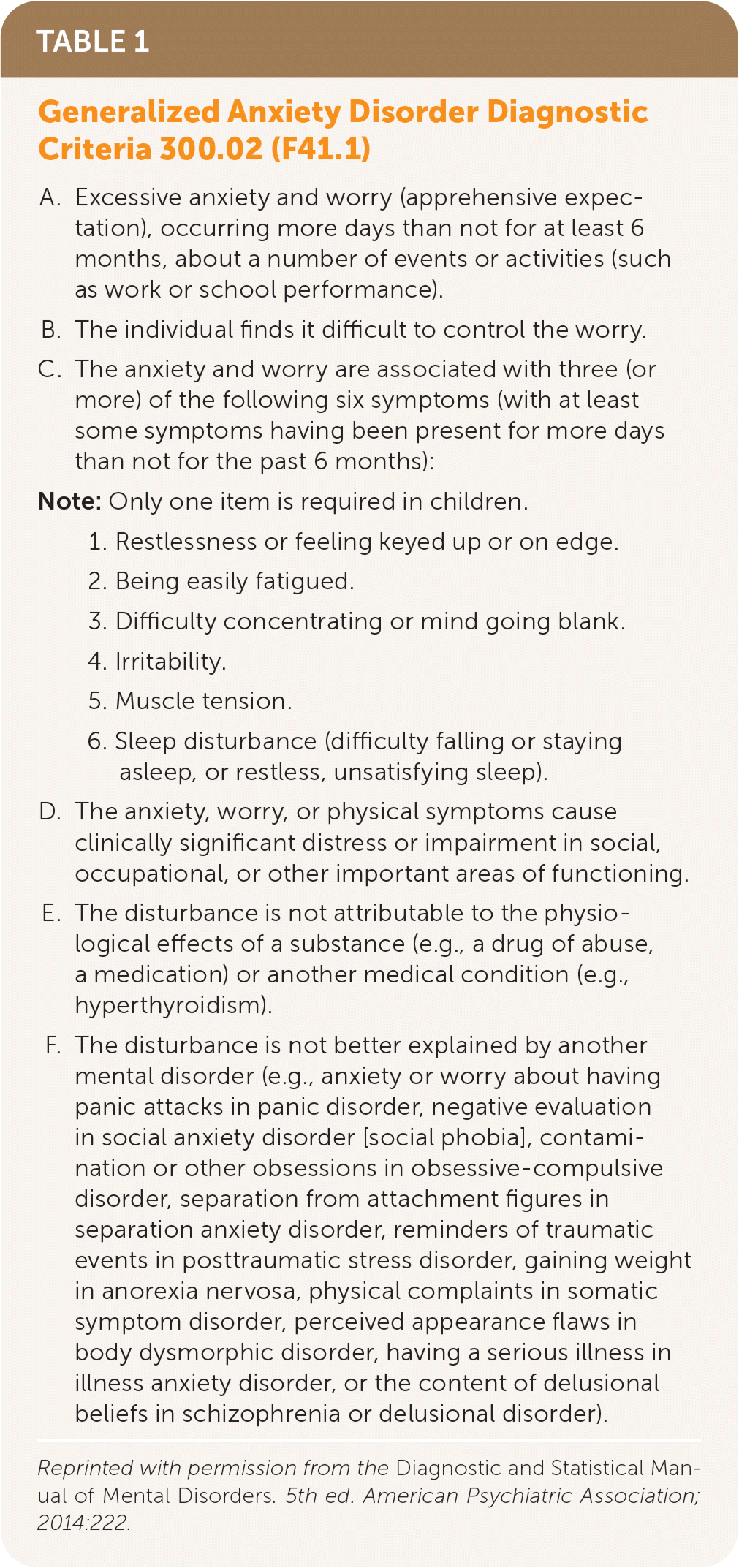
  1. Excessive anxiety and worry (apprehensive expectation), occurring more days than not for at least 6 months, about a number of events or activities (such as work or school performance).

  2. The individual finds it difficult to control the worry.

  3. The anxiety and worry are associated with three (or more) of the following six symptoms (with at least some symptoms having been present for more days than not for the past 6 months):

    Note: Only one item is required in children.

    Restlessness or feeling keyed up or on edge.

    Being easily fatigued.

    Difficulty concentrating or mind going blank.

    Irritability.

    Muscle tension.

    Sleep disturbance (difficulty falling or staying asleep, or restless, unsatisfying sleep).

  4. The anxiety, worry, or physical symptoms cause clinically significant distress or impairment in social, occupational, or other important areas of functioning.

  5. The disturbance is not attributable to the physiological effects of a substance (e.g., a drug of abuse, a medication) or another medical condition (e.g., hyperthyroidism).

  6. The disturbance is not better explained by another mental disorder (e.g., anxiety or worry about having panic attacks in panic disorder, negative evaluation in social anxiety disorder [social phobia], contamination or other obsessions in obsessive-compulsive disorder, separation from attachment figures in separation anxiety disorder, reminders of traumatic events in posttraumatic stress disorder, gaining weight in anorexia nervosa, physical complaints in somatic symptom disorder, perceived appearance flaws in body dysmorphic disorder, having a serious illness in illness anxiety disorder, or the content of delusional beliefs in schizophrenia or delusional disorder).

Reprinted with permission from the Diagnostic and Statistical Manual of Mental Disorders. 5th ed. American Psychiatric Association; 2014:222.

PANIC DISORDER

PD is defined by the DSM-5 as recurrent panic attacks that include characteristic symptoms and lack an obvious trigger (Table 2).4 PD includes at least one month of persistent concern for panic attack recurrence and may include mal-adaptive behavioral changes. Although other symptoms such as headache, tinnitus, and uncontrollable crying are common, they do not help define panic attacks. The most common symptom of a panic attack is heart palpitations.7 Panic attacks that are nocturnal or lack fear require a more extensive workup; however, these features are not uncommon in PD.4

TABLE 2. Panic Disorder Diagnostic Criteria 300.01 (F41.0)
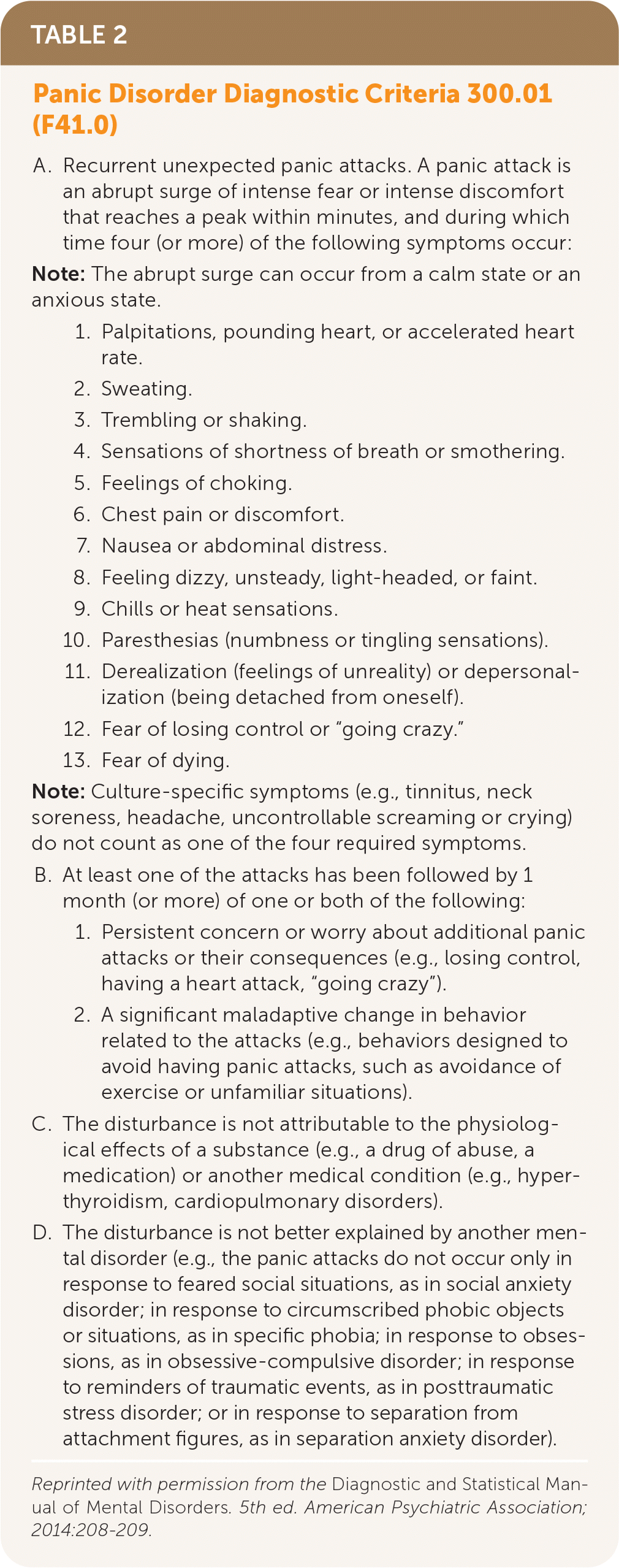
  1. Recurrent unexpected panic attacks. A panic attack is an abrupt surge of intense fear or intense discomfort that reaches a peak within minutes, and during which time four (or more) of the following symptoms occur:

    Note: The abrupt surge can occur from a calm state or an anxious state.

    Palpitations, pounding heart, or accelerated heart rate.

    Sweating.

    Trembling or shaking.

    Sensations of shortness of breath or smothering.

    Feelings of choking.

    Chest pain or discomfort.

    Nausea or abdominal distress.

    Feeling dizzy, unsteady, light-headed, or faint.

    Chills or heat sensations.

    Paresthesias (numbness or tingling sensations).

    Derealization (feelings of unreality) or depersonalization (being detached from oneself).

    Fear of losing control or “going crazy.”

    Fear of dying.

    Note: Culture-specific symptoms (e.g., tinnitus, neck soreness, headache, uncontrollable screaming or crying) do not count as one of the four required symptoms.

  2. At least one of the attacks has been followed by 1 month (or more) of one or both of the following:

    Persistent concern or worry about additional panic attacks or their consequences (e.g., losing control, having a heart attack, “going crazy”).

    A significant maladaptive change in behavior related to the attacks (e.g., behaviors designed to avoid having panic attacks, such as avoidance of exercise or unfamiliar situations).

  3. The disturbance is not attributable to the physiological effects of a substance (e.g., a drug of abuse, a medication) or another medical condition (e.g., hyperthyroidism, cardiopulmonary disorders).

  4. The disturbance is not better explained by another mental disorder (e.g., the panic attacks do not occur only in response to feared social situations, as in social anxiety disorder; in response to circumscribed phobic objects or situations, as in specific phobia; in response to obsessions, as in obsessive-compulsive disorder; in response to reminders of traumatic events, as in posttraumatic stress disorder; or in response to separation from attachment figures, as in separation anxiety disorder).

Reprinted with permission from the Diagnostic and Statistical Manual of Mental Disorders. 5th ed. American Psychiatric Association; 2014:208–209.

Diagnosis, Comorbidity, and Screening

The symptoms of GAD and PD can suggest medical diagnoses, including hyperthyroidism, arrhythmias, asthma, chronic obstructive pulmonary disease, certain medication use or withdrawal (e.g., albuterol, levothyroxine, decongestants, antidepressants, antianxiety medications), and substance use or withdrawal (e.g., caffeine, alcohol, cocaine, amphetamines, cannabinoids).4

GAD and PD commonly occur with other psychiatric conditions, including major depressive episodes, manic-hypomanic episodes, dysthymia, and substance use disorder.4,8 GAD and PD are also associated with suicidal ideation and suicide attempts.4,8 Because patients with more severe symptoms more often seek treatment, evaluating for suicidality is important.9

There is insufficient evidence to support universal screening for GAD or PD in adults at this time; however, the U.S. Preventive Services Task Force is updating guidelines regarding screening for anxiety, suicidality, and depression.10,11 Evaluation for GAD should be considered for patients who express anxiety, pervasive worry, or recurrent somatic symptoms not related to an underlying physical condition.12 The GAD-2 and GAD-7 are two-item and seven-item validated screening tools for GAD 11 (Table 313,14 ). The Patient Health Questionnaire for PD is the most accurate screening tool for PD in patients expressing sudden episodes of anxiety or fear 15,16 (Table 417,18 ). The Women's Preventive Services Initiative recommends screening for anxiety disorders in women and adolescent girls older than 13 years; however, the systematic review did not find studies that directly evaluated the overall effectiveness or harms of screening for anxiety in this population.19

TABLE 4. PHQ-PD Screening Tool for Panic Disorder
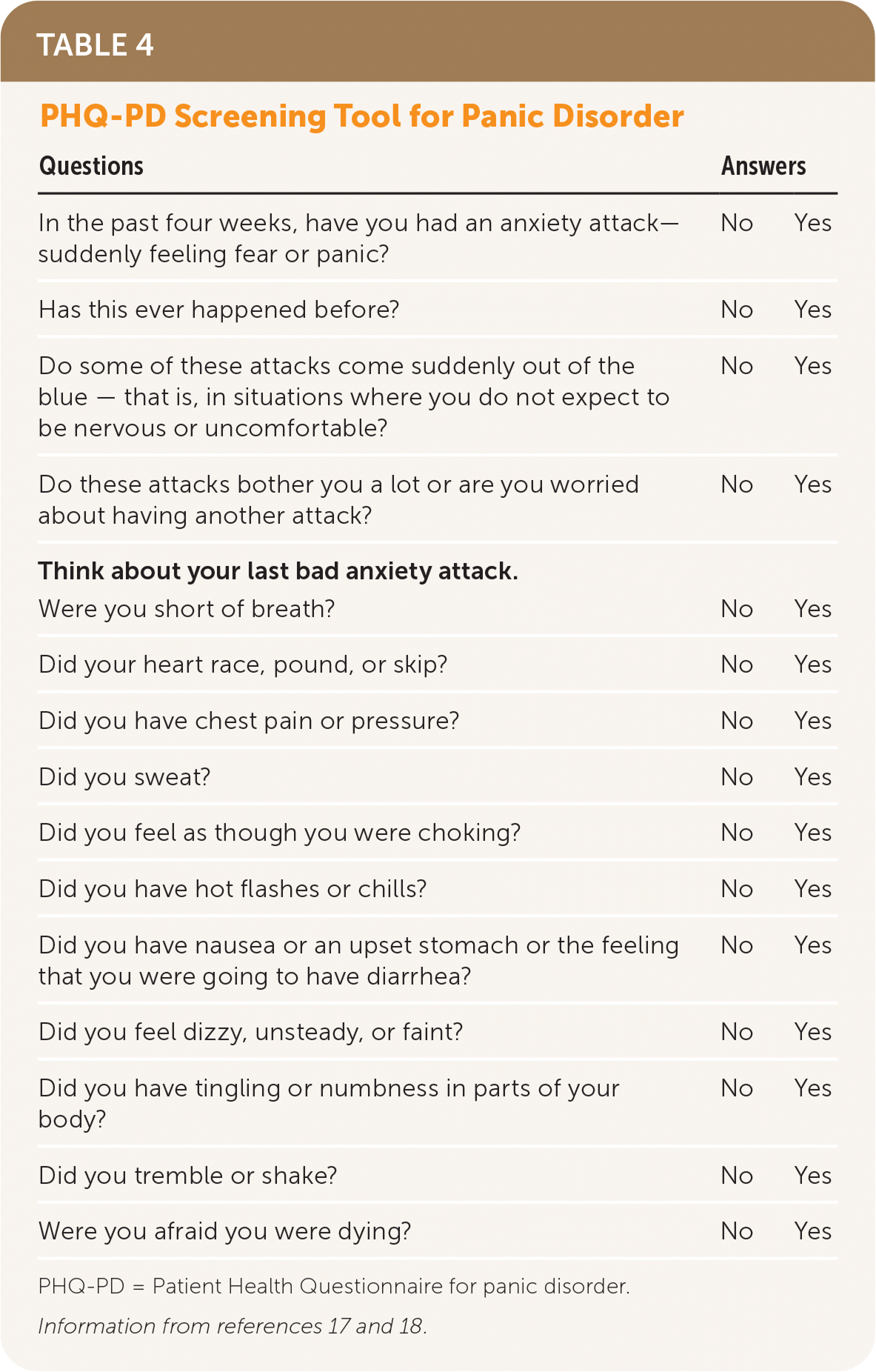
QuestionsAnswers
In the past four weeks, have you had an anxiety attack—suddenly feeling fear or panic?NoYes
Has this ever happened before?NoYes
Do some of these attacks come suddenly out of the blue — that is, in situations where you do not expect to be nervous or uncomfortable?NoYes
Do these attacks bother you a lot or are you worried about having another attack?NoYes
Think about your last bad anxiety attack.
Were you short of breath?NoYes
Did your heart race, pound, or skip?NoYes
Did you have chest pain or pressure?NoYes
Did you sweat?NoYes
Did you feel as though you were choking?NoYes
Did you have hot flashes or chills?NoYes
Did you have nausea or an upset stomach or the feeling that you were going to have diarrhea?NoYes
Did you feel dizzy, unsteady, or faint?NoYes
Did you have tingling or numbness in parts of your body?NoYes
Did you tremble or shake?NoYes
Were you afraid you were dying?NoYes

PHQ-PD = Patient Health Questionnaire for panic disorder.

Information from references 17 and 18.

Epidemiology, Etiology, and Pathophysiology

In the United States, lifetime prevalence is 8% and 5% for GAD and PD, respectively.20,21 Females are two to three times more likely to experience GAD and PD,22,23 although the gender discrepancy is less apparent later in life.

The etiology of anxiety disorders is multifactorial. Psychological, biological, environmental, and genetic theories can help explain the cause of anxiety disorders. Psychological theories suggest that patients with anxiety perceive higher risk or fear in lower-risk situations. Biologically, people with anxiety disorders are theorized to have overstimulation of specific circuits in the brain that are activated with fearful or noxious stimuli.24 These circuits can be inhibited by increasing serotonin neurotransmission. Environmental theories suggest that patients who have experienced greater adversity are more likely to develop an anxiety disorder. Studies of twin patients have found heritability of approximately 32% for GAD and 48% for PD.25

Treatment

The two main categories of treatment for GAD and PD are pharmacotherapy and psychotherapy, with cognitive behavior therapy (CBT) being the most effective and well-studied form of psychotherapy for PD.26 First-line medications are selective serotonin reuptake inhibitors (SSRIs) and serotonin-norepinephrine reuptake inhibitors (SNRIs). Concomitant substance use disorders, including tobacco use, should be treated at the same time to improve anxiety symptoms and treatment success.12,27 Smoking cessation decreases short- and long-term symptoms of anxiety.28,29 The Panic Disorder Severity Scale is a tool that can be used to monitor symptoms of PD and response to treatment.3032

PHARMACOTHERAPY

Antidepressants, SSRIs and SNRIs in particular, are considered first-line therapies for GAD and PD because they are effective and generally well tolerated.12 Continuing to take antidepressants for at least six to 12 months is recommended to minimize relapse.12,3335 Although approximately 16% of patients relapse despite continued use of antidepressants, discontinuing antidepressants before one year leads to symptom relapse in up to 50% of patients being treated with an SSRI or SNRI.35,36 Benzodiazepines are not more effective than antidepressants for treating anxiety disorders and should not be used as first-line therapy.13,37

Generalized Anxiety Disorder. SSRIs and SNRIs are the mainstay of pharmacotherapy for GAD.12 A recent meta-analysis found that escitalopram (Lexapro), duloxetine (Cymbalta), venlafaxine, and pregabalin (Lyrica) appear to be most effective and well tolerated.38 Antidepressants should be tried before pregabalin,12 which appears effective but may cause weight gain and sedation.39 Limited evidence suggests that antipsychotics have poor effectiveness and cause several adverse effects.12,40 Benzodiazepines have the benefit of quick onset and are effective in treating symptoms of anxiety; however, they are associated with withdrawal, rebound anxiety, and dependence and are not recommended for long-term use.5,12,34,41

Adding additional medications to antidepressants does not appear to improve outcomes. Benzodiazepines are those most often prescribed, but initiating a benzodiazepine with SSRIs in adolescents and young adults does not shorten the duration of SSRI treatment.42 There is no evidence of overall benefit to augmentation of antidepressant therapy with benzodiazepines, atypical antipsychotics, or buspirone (Buspar) in treatment-resistant anxiety disorders.43 Limited evidence suggests hydroxyzine may be as effective as benzodiazepines.44

Panic Disorder. Antidepressants are effective for treating PD, with an estimated number needed to treat of 10 for remission after two to six months of treatment.45 SSRIs and SNRIs are preferred over tricyclic antidepressants or monotherapy with benzodiazepines because of a higher risk of adverse effects with tricyclic antidepressants and benzodiazepines, although all have comparable effectiveness.41,46 Benzodiazepines improve symptoms in PD compared with placebo but not compared with antidepressants.37,47 Treatment with benzodiazepines increases the risk of tolerance, withdrawal, and mortality.48 Escitalopram, sertraline (Zoloft), citalopram (Celexa), paroxetine (Paxil), and venlafaxine are effective for the treatment of PD.12 Despite limited data with no evidence of benefit, beta blockers are often used to treat the acute symptoms of panic attack in PD.49 The effectiveness of buspirone in treating PD remains uncertain.50 Antipsychotics or sedating antihistamines are not recommended for PD because of overall limited evidence of effectiveness and adverse effects that lessen tolerability.12,40,41

PSYCHOTHERAPY AND RELAXATION TECHNIQUES

Psychotherapy for GAD and PD can include relaxation techniques; cognitive restructuring, including CBT; and exposure therapy.51 Psychotherapy is as effective as pharmacotherapy for treating PD and GAD and can be used alone or combined with pharmacotherapy for anxiety disorders, with combination treatment likely to be more effective than either treatment alone.12,52,53 Of the psychotherapy techniques that have been studied for GAD and PD, CBT appears to be the most effective.26,53,54 Limited evidence suggests that therapist-supported internet CBT, which can expand access to therapy, is effective, but comparisons with alternative therapies are limited.55 CBT can be as effective for PD as pharmacotherapy, but evidence is limited and lacks data on adverse effects.52,56

Interoceptive exposure, a technique in which patients induce the somatic symptoms of a panic attack to decouple their association with fear, is the most beneficial component of CBT for treating PD, whereas muscle relaxation and virtual reality exposure may be less effective.51 CBT has positive short- and long-term outcomes for most anxiety disorders, although it may not have as much long-term benefit for PD.56

COMPLEMENTARY AND ALTERNATIVE THERAPIES

A variety of complementary and alternative therapies are available for management of GAD and PD, although most have limited evidence.5759 Exercise reduces symptoms of anxiety; however, randomized controlled trial data are lacking regarding how much or what type of exercise is most beneficial.6063 Yoga and mindfulness meditation can improve anxiety symptoms, but high-quality trials comparing alternative therapies to first-line therapies are lacking.64,65 Supplements that may be beneficial in treating anxiety are listed in Table 5.58,6676 The American Psychiatric Association highlights the absence of scientific evidence supporting cannabis in the treatment of psychiatric disorders and its strong association with the onset of psychiatric disorders and calls for more research in a 2019 position statement against the use of medicinal cannabis.77 There is inconclusive evidence for the use of marijuana in treating GAD and PD, and its use has been associated with increased anxiety, withdrawal syndromes, and cannabinoid hyperemesis syndrome (cyclic vomiting syndrome associated with cannabis use).78,79 Cannabidiol may be effective for GAD and appears to be well tolerated; however, studies are limited, and the dosing in randomized controlled trials is highly variable.80

TABLE 5. Botanicals and Supplements Commonly Used for Anxiety Disorders
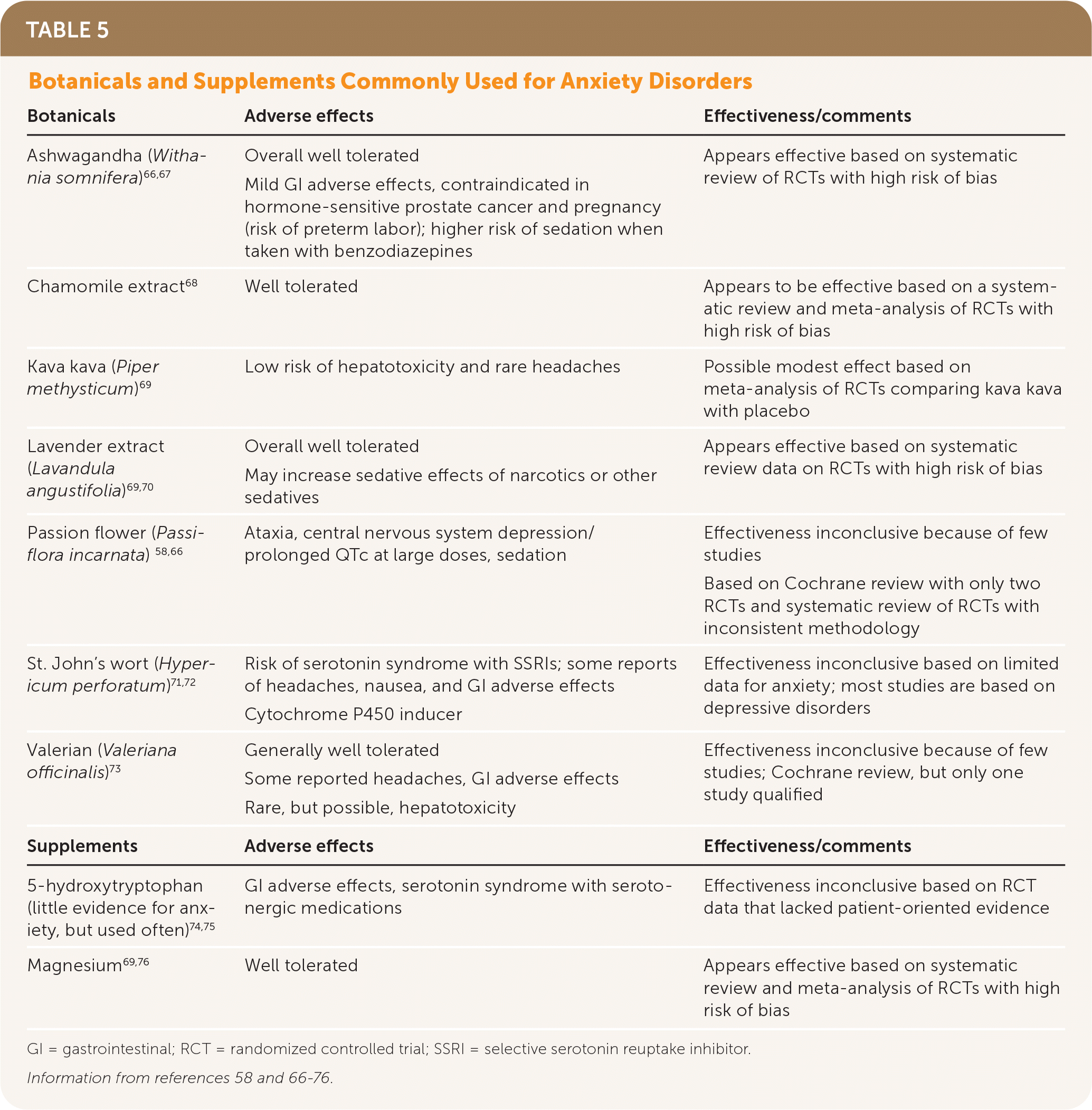
BotanicalsAdverse effectsEffectiveness/comments
Ashwagandha (Withania somnifera)66,67 Overall well tolerated
Mild GI adverse effects, contraindicated in hormone-sensitive prostate cancer and pregnancy (risk of preterm labor); higher risk of sedation when taken with benzodiazepines
Appears effective based on systematic review of RCTs with high risk of bias
Chamomile extract68 Well toleratedAppears to be effective based on a systematic review and meta-analysis of RCTs with high risk of bias
Kava kava (Piper methysticum)69 Low risk of hepatotoxicity and rare headachesPossible modest effect based on meta-analysis of RCTs comparing kava kava with placebo
Lavender extract (Lavandula angustifolia)69,70 Overall well tolerated
May increase sedative effects of narcotics or other sedatives
Appears effective based on systematic review data on RCTs with high risk of bias
Passion flower (Passiflora incarnata) 58,66 Ataxia, central nervous system depression/prolonged QTc at large doses, sedationEffectiveness inconclusive because of few studies
Based on Cochrane review with only two RCTs and systematic review of RCTs with inconsistent methodology
St. John's wort (Hypericum perforatum)71,72 Risk of serotonin syndrome with SSRIs; some reports of headaches, nausea, and GI adverse effects
Cytochrome P450 inducer
Effectiveness inconclusive based on limited data for anxiety; most studies are based on depressive disorders
Valerian (Valeriana officinalis)73 Generally well tolerated
Some reported headaches, GI adverse effects
Rare, but possible, hepatotoxicity
Effectiveness inconclusive because of few studies; Cochrane review, but only one study qualified
SupplementsAdverse effectsEffectiveness/comments

5-hydroxytryptophan (little evidence for anxiety, but used often)74,75 GI adverse effects, serotonin syndrome with serotonergic medicationsEffectiveness inconclusive based on RCT data that lacked patient-oriented evidence
Magnesium69,76 Well toleratedAppears effective based on systematic review and meta-analysis of RCTs with high risk of bias

GI = gastrointestinal; RCT = randomized controlled trial; SSRI = selective serotonin reuptake inhibitor.

Information from references 58 and 6676.

Prevention of Anxiety Disorders

Anxiety prevention programs, including exercise programs, have shown limited benefits in the prevention of anxiety.81,82 Educational programs that teach coping techniques and methods of cognitive restructuring have shown some success in preventing anxiety disorders.83

Referral

Referral to a psychiatrist may be considered for patients with complex mental or physical health comorbidities, safety concerns, or poor response to multiple treatments.12 Patients with concomitant substance use disorder may benefit from referral to specialized dual-treatment programs.27

This article updates a previous article on this topic by Locke, et al.14

Data Sources: A search of PubMed, Ovid, Medline, Essential Evidence Plus, and DynaMed was completed using the key words anxiety disorders, generalized anxiety, generalized anxiety disorder, mixed anxiety-depressive disorder, panic disorder, and panic-associated dizziness. This search included InfoPOEMs, Cochrane reviews, and practice guidelines. Search dates: July 3, 2020, to September 9, 2021.

KATHARINE C. DEGEORGE, MD, MS, is an associate professor in the Department of Family Medicine at University of Virginia, Charlottesville.

MOLLY GROVER, MD, is an assistant professor in the Department of Family Medicine at Mount Sinai Beth Israel Hospital, New York, N.Y.

GREGORY S. STREETER, MD, is an assistant professor in the Department of Family Medicine at the University of Virginia.

Address correspondence to Katharine C. DeGeorge, MD, MS, University of Virginia, Box 800729, Charlottesville, VA 22908 (email: kd6fp@virginia.edu). Reprints are not available from the authors.

Author disclosure: No relevant financial relationships.

  1. 1.Love AS, Love R. Anxiety disorders in primary care settings. Nurs Clin North Am. 2019;54(4):473-493.
  2. 2.Meuret AE, Tunnell N, Roque A, et al. Anxiety disorders and medical comorbidity. Adv Exp Med Biol. 2020;1191:237-261.
  3. 3.World Health Organization. Mental health in primary care: illusion or inclusion? 2018. Accessed March 23, 2022. https://apps.who.int/iris/bitstream/handle/10665/326298/WHO-HIS-SDS-2018.38-eng.pdf?sequence=1&isAllowed=y
  4. 4.Diagnostic and Statistical Manual of Mental Disorders. 5th ed. American Psychiatric Association; 2014.
  5. 5.DeMartini J, Patel G, Fancher TL. Generalized anxiety disorder. Ann Intern Med. 2019;170(7):ITC49-ITC64.
  6. 6.Wolitzky-Taylor KB, Castriotta N, Lenze EJ, et al. Anxiety disorders in older adults. Depress Anxiety. 2010;27(2):190-211.
  7. 7.Craske MG, Kircanski K, Epstein A, et al.; DSM V Anxiety; OC Spectrum; Posttraumatic and Dissociative Disorder Work Group. Panic disorder: a review of DSM-IV panic disorder and proposals for DSM-V. Depress Anxiety. 2010;27(2):93-112.
  8. 8.Roy-Byrne PP, Craske MG, Stein MB. Panic disorder. Lancet. 2006;368(9540):1023-1032.
  9. 9.Bandelow B, Michaelis S. Epidemiology of anxiety disorders in the 21st century. Dialogues Clin Neurosci. 2015;17(3):327-335.
  10. 10.U.S. Preventive Services Task Force. Screening for depression, anxiety, and suicide risk in adults, including pregnant and postpartum persons. Updated August 27, 2020. Accessed December 18, 2021. https://www.uspreventiveservicestaskforce.org/uspstf/draft-update-summary/screening-depression-anxiety-suicide-risk-adults
  11. 11.Plummer F, Manea L, Trepel D, et al. Screening for anxiety disorders with the GAD-7 and GAD-2. Gen Hosp Psychiatry. 2016;39:24-31.
  12. 12.National Institute for Health and Care Excellence. Generalised anxiety disorder and panic disorder in adults. Updated July 26, 2019. Accessed August 8, 2021. https://www.nice.org.uk/guidance/cg113
  13. 13.Spitzer RL, Williams JBW, Kroenke K, et al., with an educational grant from Pfizer Inc. GAD-7. Accessed August 9, 2021. https://www.phqscreeners.com/images/sites/g/files/g10060481/f/201412/GAD-7_English.pdf
  14. 14.Locke AB, Kirst N, Shultz CG. Diagnosis and management of generalized anxiety disorder and panic disorder in adults. Am Fam Physician. 2015;91(9):617-624.
  15. 15.Means-Christensen AJ, Sherbourne CD, Roy-Byrne PP, et al. Using five questions to screen for five common mental disorders in primary care. Gen Hosp Psychiatry. 2006;28(2):108-118.
  16. 16.Herr NR, Williams JW, Benjamin S, et al. Does this patient have generalized anxiety or panic disorder?: the Rational Clinical Examination systematic review. JAMA. 2014;312(1):78-84.
  17. 17.Patient Health Questionnaire-9 (PHQ-9). Accessed April 25, 2022. https://www.apa.org/depression-guideline/patient-health-questionnaire.pdf
  18. 18.Instruction manual. Instructions for Patient Health Questionnaire (PHQ) and GAD-7 measures. Accessed April 25, 2022. https://www.ons.org/sites/default/files/PHQandGAD7_InstructionManual.pdf
  19. 19.Gregory KD, Chelmow D, Nelson HD, et al. Screening for anxiety in adolescent and adult women: a recommendation from the Women's Preventive Services Initiative. Ann Intern Med. 2020;173(1):48-56.
  20. 20.Ruscio AM, Hallion LS, Lim CCW, et al. Cross-sectional comparison of the epidemiology of DSM-5 generalized anxiety disorder across the globe. JAMA Psychiatry. 2017;74(5):465-475.
  21. 21.Kessler RC, Petukhova M, Sampson NA, et al. Twelve-month and lifetime prevalence and lifetime morbid risk of anxiety and mood disorders in the United States. Int J Methods Psychiatr Res. 2012;21(3):169-184.
  22. 22.Bekker MHJ, van Mens-Verhulst J. Anxiety disorders: sex differences in prevalence, degree, and background, but gender-neutral treatment. Gend Med. 2007;4(suppl B):S178-S193.
  23. 23.Faravelli C, Scarpato MA, Castellini G, et al. Gender differences in depression and anxiety. Psychiatry Res. 2013;210(3):1301-1303.
  24. 24.Giacobbe P, Flint A. Diagnosis and management of anxiety disorders. Continuum (Minneap Minn). 2018;24(3):893-919.
  25. 25.Schiele MA, Domschke K. Epigenetics at the crossroads between genes, environment and resilience in anxiety disorders. Genes Brain Behav. 2018;17(3):e12423.
  26. 26.Pompoli A, Furukawa TA, Imai H, et al. Psychological therapies for panic disorder with or without agoraphobia in adults: a network meta-analysis. Cochrane Database Syst Rev. 2016(4):CD011004.
  27. 27.Watkins KE, Hunter SB, Burnam MA, et al. Review of treatment recommendations for persons with a co-occurring affective or anxiety and substance use disorder. Psychiatr Serv. 2005;56(8):913-926.
  28. 28.Taylor G, McNeill A, Girling A, et al. Change in mental health after smoking cessation: systematic review and meta-analysis [published correction appears in BMJ. 2014; 348: g2216]. BMJ. 2014;348:g1151.
  29. 29.Taylor GM, Lindson N, Farley A, et al. Smoking cessation for improving mental health. Cochrane Database Syst Rev. 2021(3):CD013522.
  30. 30.Shear MK, Brown TA, Barlow DH, et al. Multicenter collaborative Panic Disorder Severity Scale. Am J Psychiatry. 1997;154(11):1571-1575.
  31. 31.Keough ME, Porter E, Kredlow MA, et al. Anchoring the Panic Disorder Severity Scale. Assessment. 2012;19(2):257-259.
  32. 32.American Psychological Association. APA guidelines on evidence-based psychological practice in health care. February 2021. Accessed April 25, 2022. https://www.apa.org/about/policy/psychological-practice-health-care.pdf
  33. 33.Van Leeuwen E, van Driel ML, Horowitz MA, et al. Approaches for discontinuation versus continuation of long-term antidepressant use for depressive and anxiety disorders in adults. Cochrane Database Syst Rev. 2021(4):CD013495.
  34. 34.Bandelow B, Boerner RJ, Kasper S, et al. The diagnosis and treatment of generalized anxiety disorder. Dtsch Arztebl Int. 2013;110(17):300-309 , quiz 310.
  35. 35.Batelaan NM, Bosman RC, Muntingh A, et al. Risk of relapse after anti-depressant discontinuation in anxiety disorders, obsessive-compulsive disorder, and post-traumatic stress disorder [published correction appears in BMJ. 2017; 358: j4461]. BMJ. 2017;358:j3927.
  36. 36.Rickels K, Etemad B, Khalid-Khan S, et al. Time to relapse after 6 and 12 months' treatment of generalized anxiety disorder with venlafaxine extended release. Arch Gen Psychiatry. 2010;67(12):1274-1281.
  37. 37.Bighelli I, Trespidi C, Castellazzi M, et al. Antidepressants and benzodiazepines for panic disorder in adults. Cochrane Database Syst Rev. 2016(9):CD011567.
  38. 38.Slee A, Nazareth I, Bondaronek P, et al. Pharmacological treatments for generalised anxiety disorder [published correction appears in Lancet. 2019; 393(10182): 1698]. Lancet. 2019;393(10173):768-777.
  39. 39.Pande AC, Crockatt JG, Feltner DE, et al. Pregabalin in generalized anxiety disorder. Am J Psychiatry. 2003;160(3):533-540.
  40. 40.Depping AM, Komossa K, Kissling W, et al. Second-generation antipsychotics for anxiety disorders. Cochrane Database Syst Rev. 2010(12):CD008120.
  41. 41.Stein MB, Goin MK, Pollack MH, et al. American Psychiatric Association practice guideline for the treatment of patients with panic disorder: second edition. 2010. Accessed April 25, 2022. https://psychiatryonline.org/pb/assets/raw/sitewide/practice_guidelines/guidelines/panicdisorder.pdf
  42. 42.Bushnell GA, Rynn MA, Crystal S, et al. Simultaneous benzodiazepine and SSRI initiation in young people with anxiety disorders. J Clin Psychiatry. 2021;82(6) ): 20m13863.
  43. 43.Patterson B, Van Ameringen M. Augmentation strategies for treatment-resistant anxiety disorders. Focus (Am Psychiatr Publ). 2017;15(2):219-226.
  44. 44.Guaiana G, Barbui C, Cipriani A. Hydroxyzine for generalised anxiety disorder. Cochrane Database Syst Rev. 2010(12):CD006815.
  45. 45.Bighelli I, Castellazzi M, Cipriani A, et al. Antidepressants versus placebo for panic disorder in adults. Cochrane Database Syst Rev. 2018(4):CD010676.
  46. 46.Chawla N, Anothaisintawee T, Charoenrungrueangchai K, et al. Drug treatment for panic disorder with or without agoraphobia: systematic review and network meta-analysis of randomised controlled trials. BMJ. 2022;376:e066084.
  47. 47.Breilmann J, Girlanda F, Guaiana G, et al. Benzodiazepines versus placebo for panic disorder in adults. Cochrane Database Syst Rev. 2019(3):CD010677.
  48. 48.Weich S, Pearce HL, Croft P, et al. Effect of anxiolytic and hypnotic drug prescriptions on mortality hazards: retrospective cohort study. BMJ. 2014;348:g1996.
  49. 49.Steenen SA, van Wijk AJ, van der Heijden GJMG, et al. Propranolol for the treatment of anxiety disorders: systematic review and meta-analysis. J Psychopharmacol. 2016;30(2):128-139.
  50. 50.Imai H, Tajika A, Chen P, et al. Psychological therapies versus pharmacological interventions for panic disorder with or without agoraphobia in adults. Cochrane Database Syst Rev. 2016(10):CD011170.
  51. 51.Pompoli A, Furukawa TA, Efthimiou O, et al. Dismantling cognitive-behaviour therapy for panic disorder: a systematic review and component network meta-analysis. Psychol Med. 2018;48(12):1945-1953.
  52. 52.Furukawa TA, Watanabe N, Churchill R. Combined psychotherapy plus antidepressants for panic disorder with or without agoraphobia. Cochrane Database Syst Rev. 2007(1):CD004364.
  53. 53.Cuijpers P, Gentili C, Banos RM, et al. Relative effects of cognitive and behavioral therapies on generalized anxiety disorder, social anxiety disorder and panic disorder: a meta-analysis. J Anxiety Disord. 2016;43:79-89.
  54. 54.Tolin DF. Is cognitive-behavioral therapy more effective than other therapies? A meta-analytic review. Clin Psychol Rev. 2010;30(6):710-720.
  55. 55.Olthuis JV, Watt MC, Bailey K, et al. Therapist-supported internet cognitive behavioural therapy for anxiety disorders in adults. Cochrane Database Syst Rev. 2016(3):CD011565.
  56. 56.van Dis EAM, van Veen SC, Hagenaars MA, et al. Long-term outcomes of cognitive behavioral therapy for anxiety-related disorders: a systematic review and meta-analysis [published correction appears in JAMA Psychiatry. 2020; 77(7): 768]. JAMA Psychiatry. 2020;77(3):265-273.
  57. 57.Jorm AF, Christensen H, Griffiths KM, et al. Effectiveness of complementary and self-help treatments for anxiety disorders. Med J Aust. 2004;181(S7):S29-S46.
  58. 58.Miyasaka LS, Atallah ÁN, Soares BGO. Passiflora for anxiety disorder. Cochrane Database Syst Rev. 2007(1):CD004518.
  59. 59.Joyce J, Herbison GP. Reiki for depression and anxiety. Cochrane Database Syst Rev. 2015(4):CD006833.
  60. 60.Stonerock GL, Hoffman BM, Smith PJ, et al. Exercise as treatment for anxiety. Ann Behav Med. 2015;49(4):542-556.
  61. 61.Broocks A, Bandelow B, Pekrun G, et al. Comparison of aerobic exercise, clomipramine, and placebo in the treatment of panic disorder. Am J Psychiatry. 1998;155(5):603-609.
  62. 62.Smits JA, Berry AC, Rosenfield D, et al. Reducing anxiety sensitivity with exercise. Depress Anxiety. 2008;25(8):689-699.
  63. 63.Carek PJ, Laibstain SE, Carek SM. Exercise for the treatment of depression and anxiety. Int J Psychiatry Med. 2011;41(1):15-28.
  64. 64.Simon NM, Hofmann SG, Rosenfield D, et al. Efficacy of yoga vs cognitive behavioral therapy vs stress education for the treatment of generalized anxiety disorder: a randomized clinical trial. JAMA Psychiatry. 2021;78(1):13-20.
  65. 65.Rodrigues MF, Nardi AE, Levitan M. Mindfulness in mood and anxiety disorders: a review of the literature. Trends Psychiatry Psychother. 2017;39(3):207-215.
  66. 66.Savage K, Firth J, Stough C, et al. GABA-modulating phytomedicines for anxiety: a systematic review of preclinical and clinical evidence. Phytother Res. 2018;32(1):3-18.
  67. 67.Pratte MA, Nanavati KB, Young V, et al. An alternative treatment for anxiety: a systematic review of human trial results reported for the Ayurvedic herb ashwagandha (Withania somnifera). J Altern Complement Med. 2014;20(12):901-908.
  68. 68.Hieu TH, Dibas M, Surya Dila KA, et al. Therapeutic efficacy and safety of chamomile for state anxiety, generalized anxiety disorder, insomnia, and sleep quality: a systematic review and meta-analysis of randomized trials and quasi-randomized trials. Phytother Res. 2019;33(6):1604-1615.
  69. 69.Barić H, Đorđević V, Cerovečki I, et al. Complementary and alternative medicine treatments for generalized anxiety disorder: systematic review and meta-analysis of randomized controlled trials. Adv Ther. 2018;35(3):261-288.
  70. 70.Donelli D, Antonelli M, Bellinazzi C, et al. Effects of lavender on anxiety: a systematic review and meta-analysis. Phytomedicine. 2019;65:153099.
  71. 71.Apaydin EA, Maher AR, Shanman R, et al. A systematic review of St. John's wort for major depressive disorder. Syst Rev. 2016;5(1):148.
  72. 72.Sarris J, Kavanagh DJ. Kava and St. John's wort: current evidence for use in mood and anxiety disorders. J Altern Complement Med. 2009;15(8):827-836.
  73. 73.Miyasaka LS, Atallah ÁN, Soares BGO. Valerian for anxiety disorders. Cochrane Database Syst Rev. 2006(4):CD004515.
  74. 74.Kahn RS, Westenberg HG, Verhoeven WM, et al. Effect of a serotonin precursor and uptake inhibitor in anxiety disorders; a double-blind comparison of 5-hydroxytryptophan, clomipramine and placebo. Int Clin Psychopharmacol. 1987;2(1):33-45.
  75. 75.Jangid P, Malik P, Singh P, et al. Comparative study of efficacy of l-5-hydroxytryptophan and fluoxetine in patients presenting with first depressive episode. Asian J Psychiatr. 2013;6(1):29-34.
  76. 76.Boyle NB, Lawton C, Dye L. The effects of magnesium supplementation on subjective anxiety and stress—a systematic review. Nutrients. 2017;9(5):429.
  77. 77.APA Council Reports. Position statement in opposition to cannabis as medicine. 2019. Accessed May 9, 2022. https://www.psychiatry.org/File%20Library/About-APA/Organization-Documents-Policies/Policies/Position-Cannabis-as-Medicine.pdf
  78. 78.Volkow ND, Baler RD, Compton WM, et al. Adverse health effects of marijuana use. N Engl J Med. 2014;370(23):2219-2227.
  79. 79.Sorensen CJ, DeSanto K, Borgelt L, et al. Cannabinoid hyperemesis syndrome: diagnosis, pathophysiology, and treatment—a systematic review. J Med Toxicol. 2017;13(1):71-87.
  80. 80.Skelley JW, Deas CM, Curren Z, et al. Use of cannabidiol in anxiety and anxiety-related disorders. J Am Pharm Assoc (2003). 2020;60(1):253-261.
  81. 81.Moreno-Peral P, Bellón JÁ, Motrico E, et al. Moderators of psychological and psychoeducational interventions for the prevention of anxiety: a systematic review. J Anxiety Disord. 2020;76:102317.
  82. 82.Larun L, Nordheim LV, Ekeland E, et al. Exercise in prevention and treatment of anxiety and depression among children and young people. Cochrane Database Syst Rev. 2006(3):CD004691.
  83. 83.Moreno-Peral P, Conejo-Cerón S, Rubio-Valera M, et al. Effectiveness of psychological and/or educational interventions in the prevention of anxiety: a systematic review, meta-analysis, and meta-regression. JAMA Psychiatry. 2017;74(10):1021-1029.

Copyright © 2026 by the American Academy of Family Physicians.

This content is owned by the AAFP. A person viewing it online may make one printout of the material and may use that printout only for his or her personal, non-commercial reference. This material may not otherwise be downloaded, copied, printed, stored, transmitted or reproduced in any medium, whether now known or later invented, except as authorized in writing by the AAFP. See permissions for copyright questions and/or permission requests.